Department of Biochemistry, Microbiology and Immunology, University of Saskatchewan, Saskatoon, SK S7N5E5, Canada.
Int J Mol Sci. 2020 Aug 7;21(16):5677. doi: 10.3390/ijms21165677.
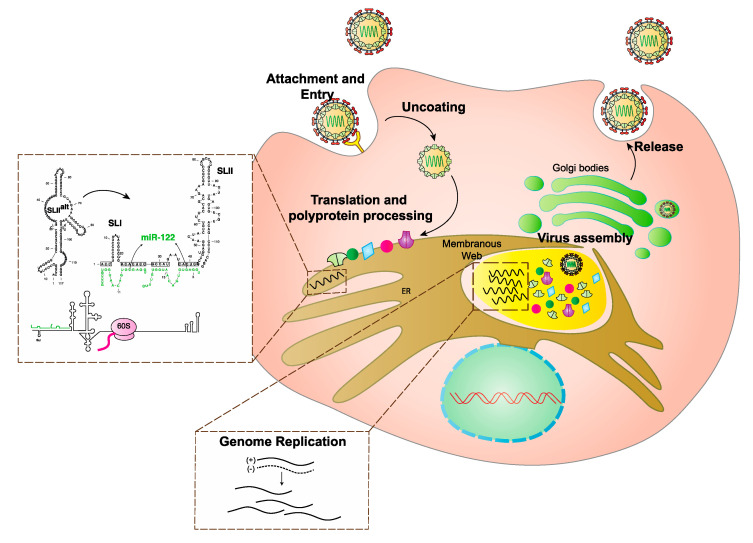
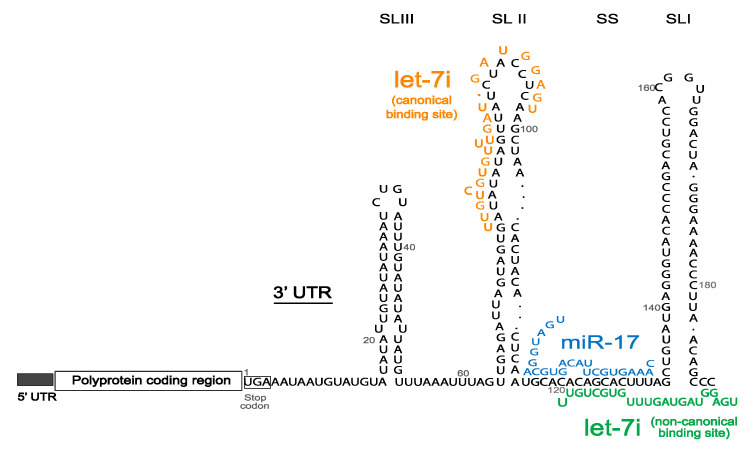
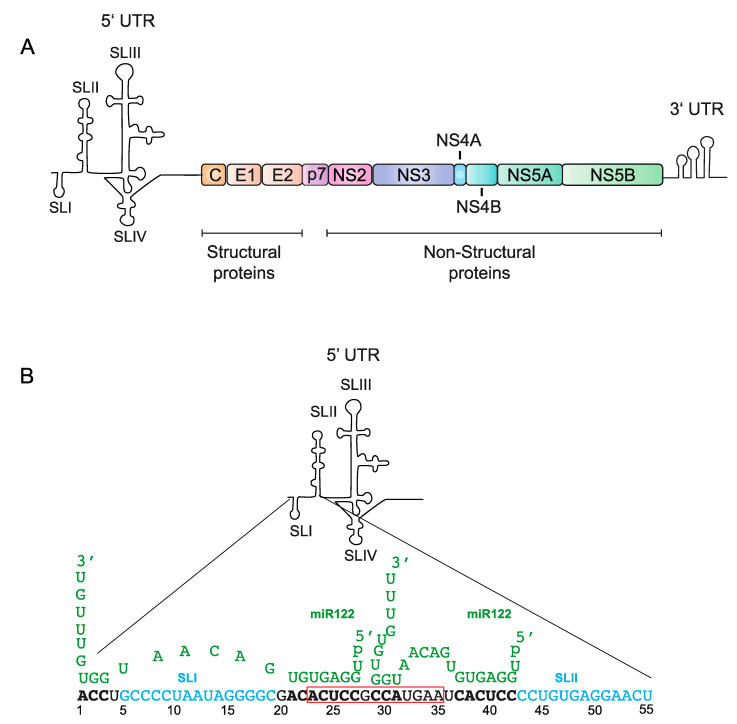
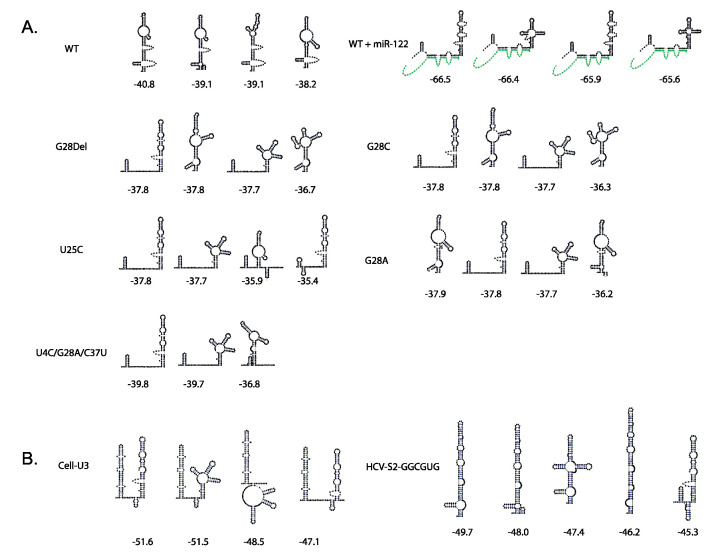
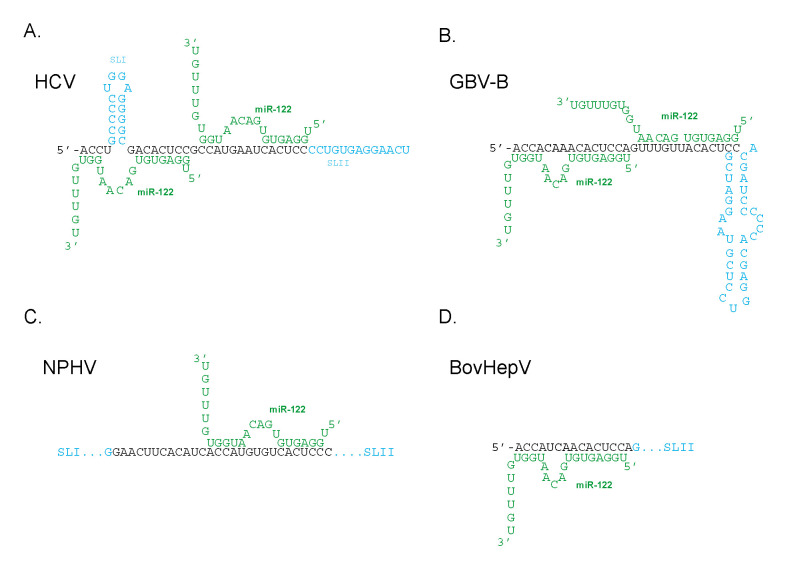
Hepatitis C virus (HCV) replication requires annealing of a liver specific microRNA, miR-122 to 2 sites on 5' untranslated region (UTR). While, microRNAs downregulate gene expression by binding to the 3' untranslated region of the target mRNA, in this case, the microRNA anneals to the 5'UTR of the viral genomes and upregulates the viral lifecycle. In this review, we explore the current understandings of the mechanisms by which miR-122 promotes the HCV lifecycle, and its contributions to pathogenesis. Annealing of miR-122 has been reported to (a) stimulate virus translation by promoting the formation of translationally active internal ribosome entry site (IRES) RNA structure, (b) stabilize the genome, and (c) induce viral genomic RNA replication. MiR-122 modulates lipid metabolism and suppresses tumor formation, and sequestration by HCV may influence virus pathogenesis. We also discuss the possible use of miR-122 as a biomarker for chronic hepatitis and as a therapeutic target. Finally, we discuss roles for miR-122 and other microRNAs in promoting other viruses.
丙型肝炎病毒 (HCV) 的复制需要肝脏特异性 microRNA miR-122 与 5' 非翻译区 (UTR) 上的 2 个位点退火。虽然 microRNAs 通过与靶 mRNA 的 3'UTR 结合来下调基因表达,但在这种情况下,microRNA 与病毒基因组的 5'UTR 退火并上调病毒生命周期。在这篇综述中,我们探讨了 miR-122 促进 HCV 生命周期的机制及其在发病机制中的作用的现有认识。据报道,miR-122 的退火(a)通过促进翻译活性内部核糖体进入位点 (IRES) RNA 结构的形成来刺激病毒翻译,(b)稳定基因组,和(c)诱导病毒基因组 RNA 复制。miR-122 调节脂质代谢并抑制肿瘤形成,而 HCV 的隔离可能影响病毒发病机制。我们还讨论了 miR-122 作为慢性肝炎生物标志物和治疗靶点的可能用途。最后,我们讨论了 miR-122 和其他 microRNAs 在促进其他病毒方面的作用。