Cancer Cancer Research UK Edinburgh Centre, Institute of Genetics and Molecular Medicine, University of Edinburgh, Crewe Road South, Edinburgh EH4 2XR, U.K.
Departamento de Quı́mica Orgánica, Facultad de Ciencias, Universidad de Granada, Campus de Fuentenueva s/n, Granada 18002, Spain.
J Med Chem. 2020 Sep 10;63(17):9650-9659. doi: 10.1021/acs.jmedchem.0c00781. Epub 2020 Aug 17.
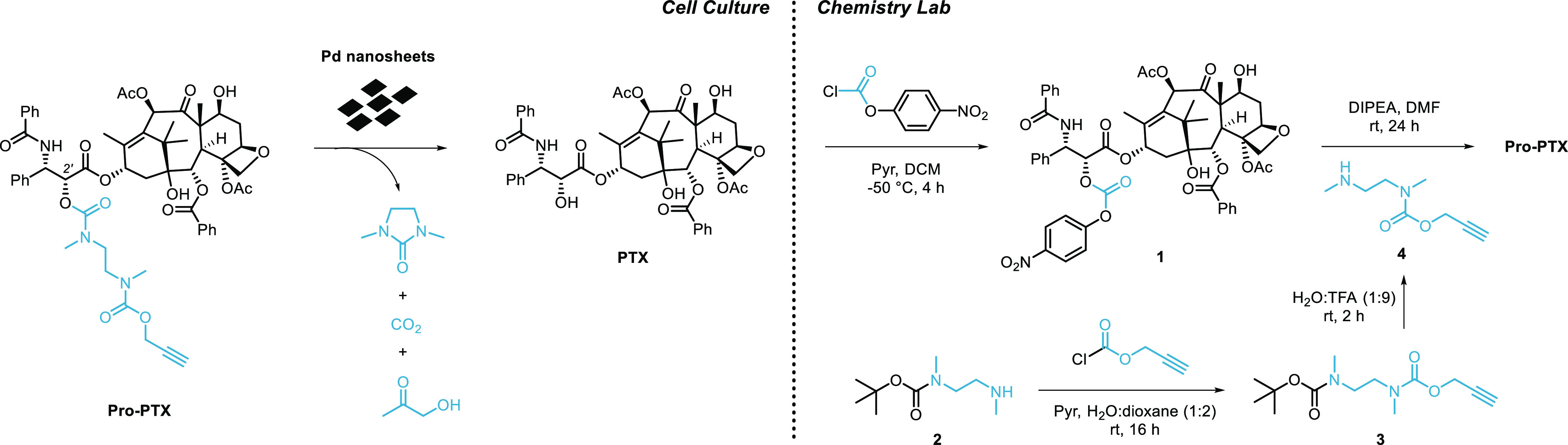
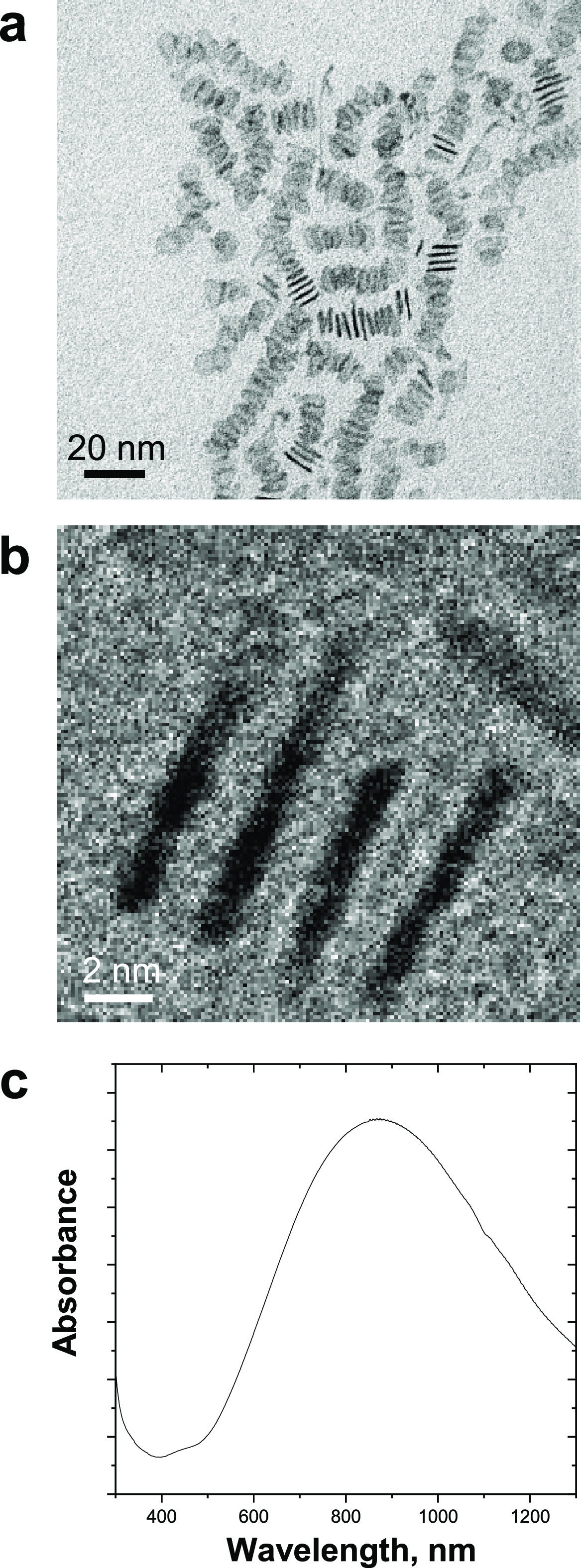
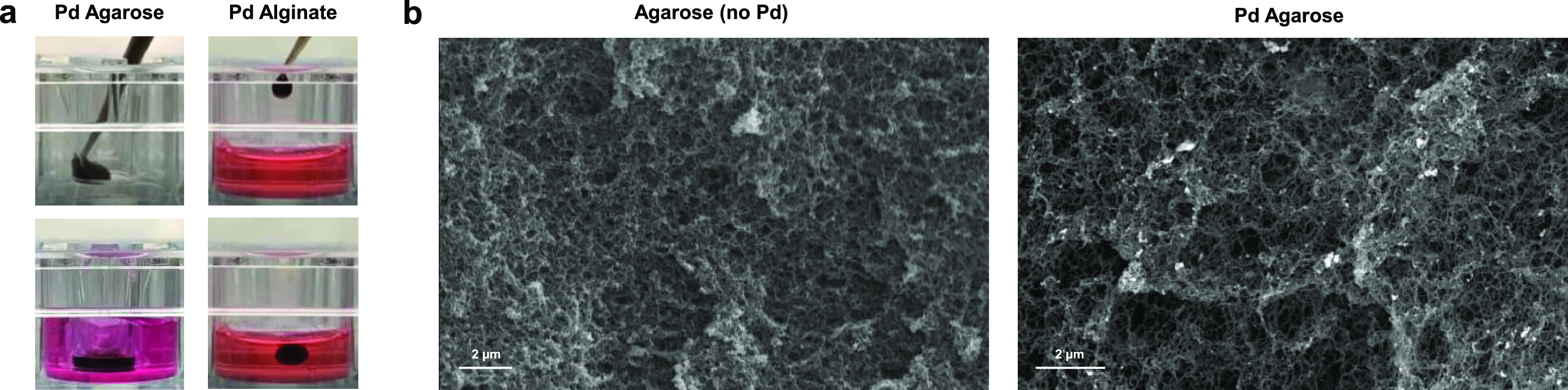
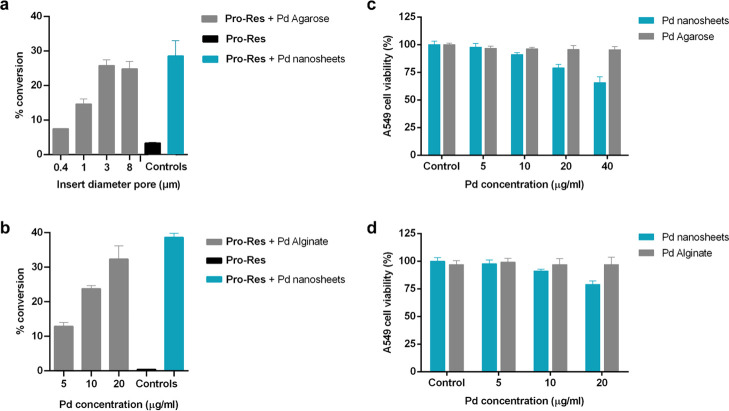
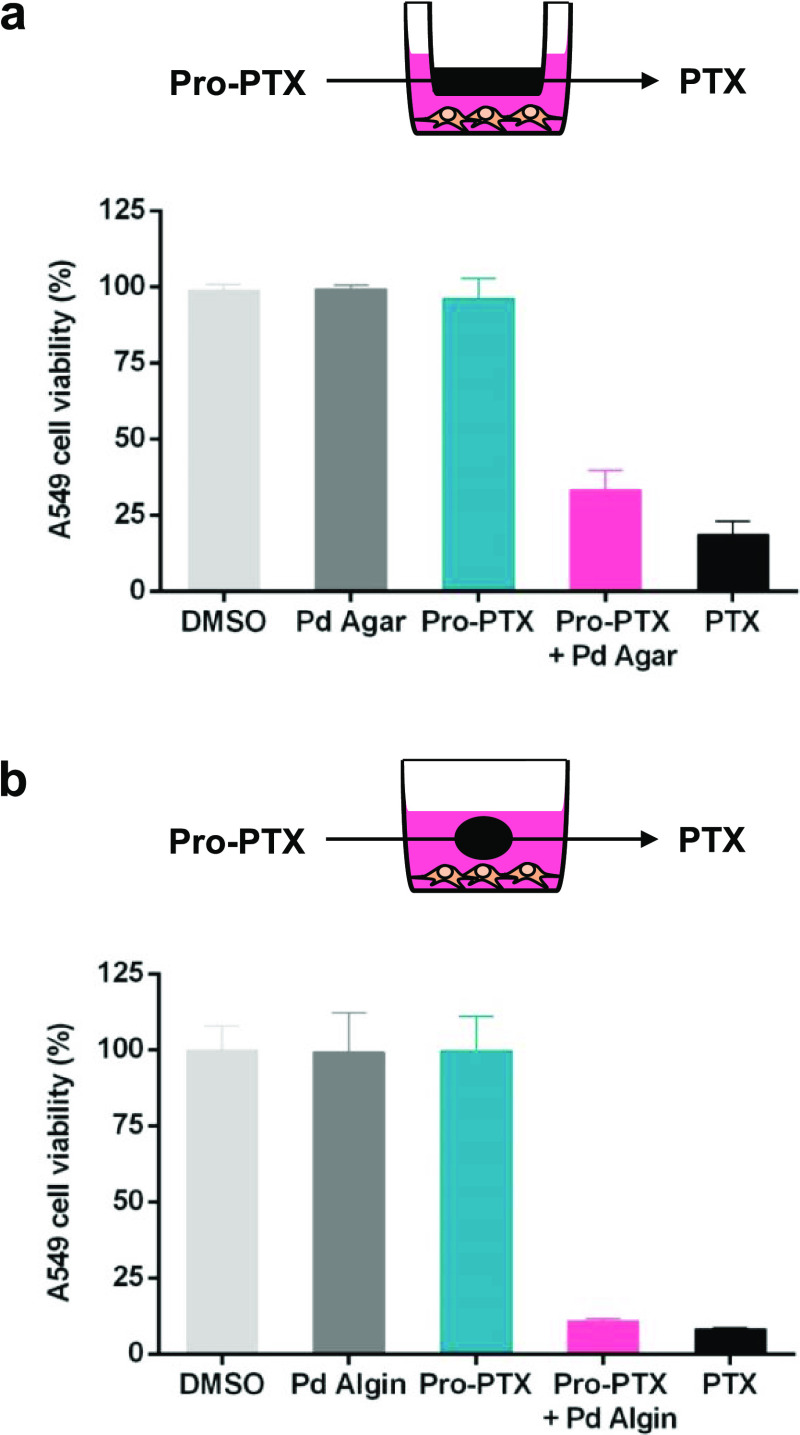
The promising potential of bioorthogonal catalysis in biomedicine is inspiring incremental efforts to design strategies that regulate drug activity in living systems. To achieve this, it is not only essential to develop customized inactive prodrugs and biocompatible metal catalysts but also the right physical environment for them to interact and enable drug production under spatial and/or temporal control. Toward this goal, here, we report the first inactive precursor of the potent broad-spectrum anticancer drug paclitaxel (a.k.a. Taxol) that is stable in cell culture and labile to Pd catalysts. This new prodrug is effectively uncaged in cancer cell culture by Pd nanosheets captured within agarose and alginate hydrogels, providing a biodegradable catalytic framework to achieve controlled release of one of the most important chemotherapy drugs in medical practice. The compatibility of bioorthogonal catalysis and physical hydrogels opens up new opportunities to administer and modulate the mobility of transition metal catalysts in living environs.
生物正交催化在生物医药中具有广阔的应用前景,这激发了人们不断努力设计策略来调节生物体内药物的活性。为此,不仅需要开发定制的无活性前药和生物相容性金属催化剂,还需要为它们提供合适的物理环境,以便在时空控制下进行药物的生产。为此,在这里,我们报告了第一个有效的广谱抗癌药物紫杉醇(又名 Taxol)的无活性前体,它在细胞培养中稳定,对 Pd 催化剂不稳定。这种新的前药可通过琼脂糖和海藻酸盐水凝胶捕获的 Pd 纳米片在癌细胞培养中有效解笼,提供了一种可生物降解的催化框架,以实现一种在医学实践中最重要的化疗药物的控制释放。生物正交催化与物理水凝胶的兼容性为在生物环境中管理和调节过渡金属催化剂的迁移性开辟了新的机会。