Bahrami Gholamreza, Malekshahi Hossein, Miraghaee Shahram, Madani Hamid, Babaei Atefeh, Mohammadi Bahareh, Hatami Razieh
Medical Biology Research Center, Health Technology Institute, Kermanshah University of Medical Sciences, Kermanshah 671551616, Iran.
Department of Pharmacology, School of Pharmacy, Kermanshah University of Medical Sciences, Kermanshah 671551616, Iran.
Clin Nutr Res. 2020 Jul 30;9(3):223-234. doi: 10.7762/cnr.2020.9.3.223. eCollection 2020 Jul.
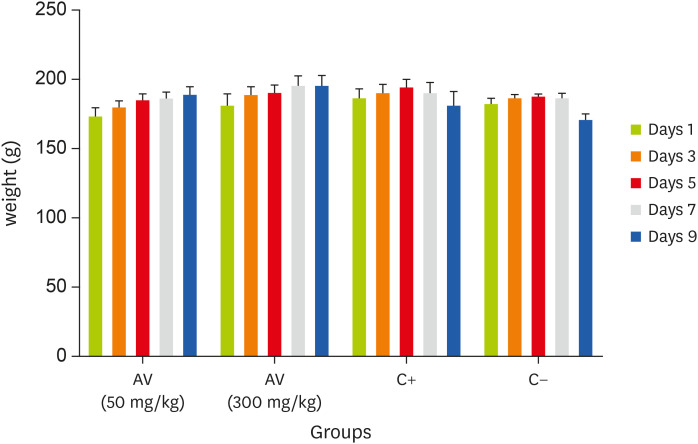
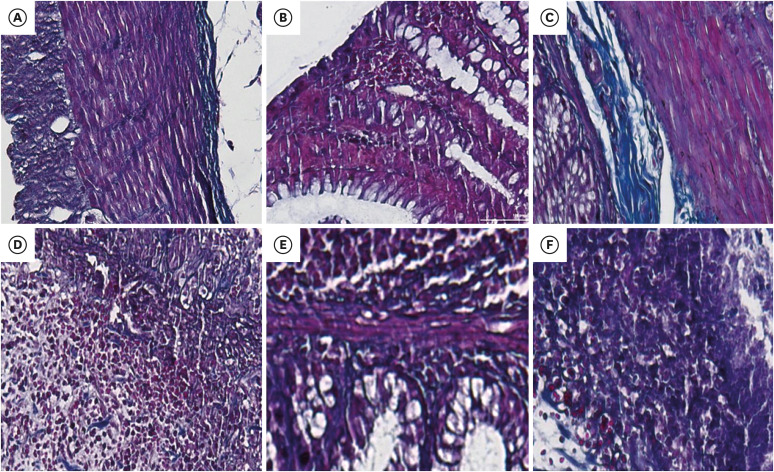
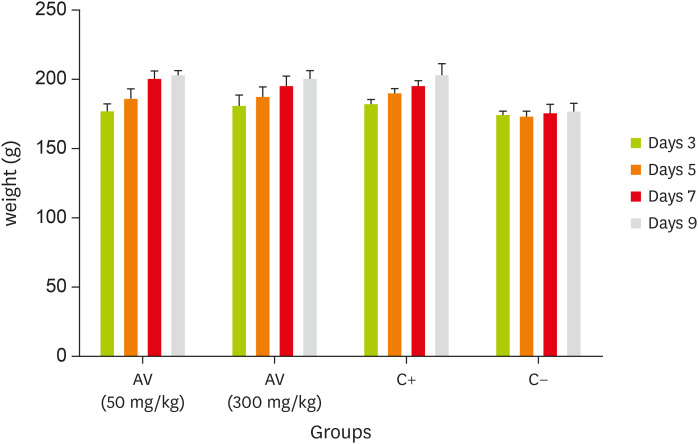
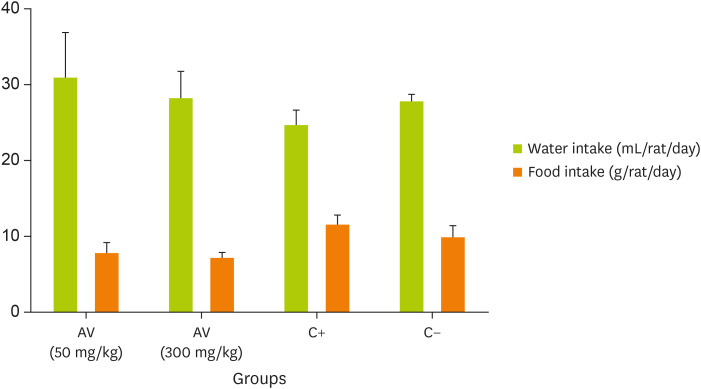
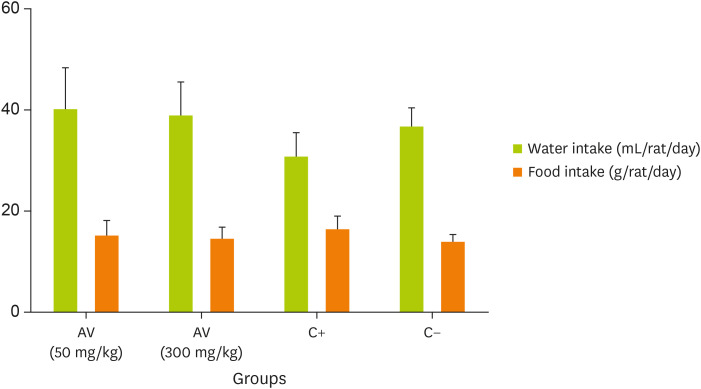
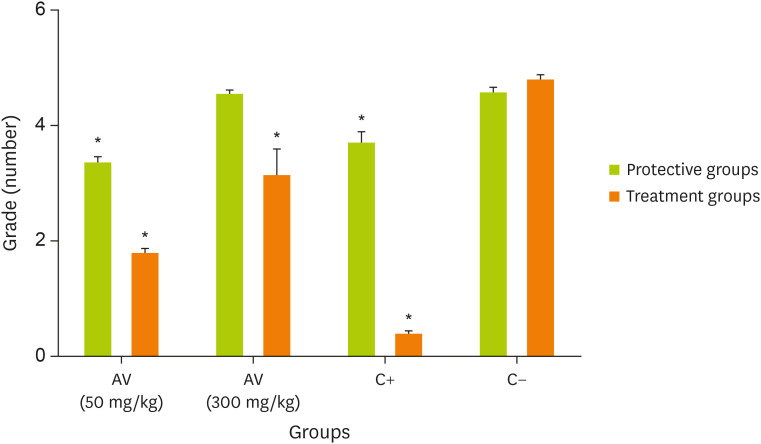
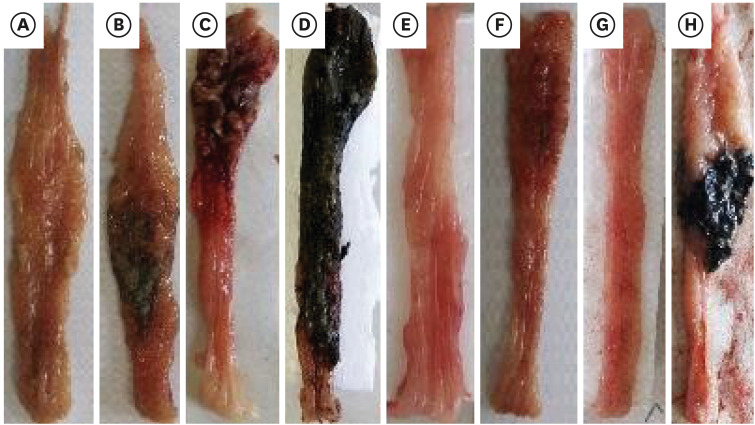
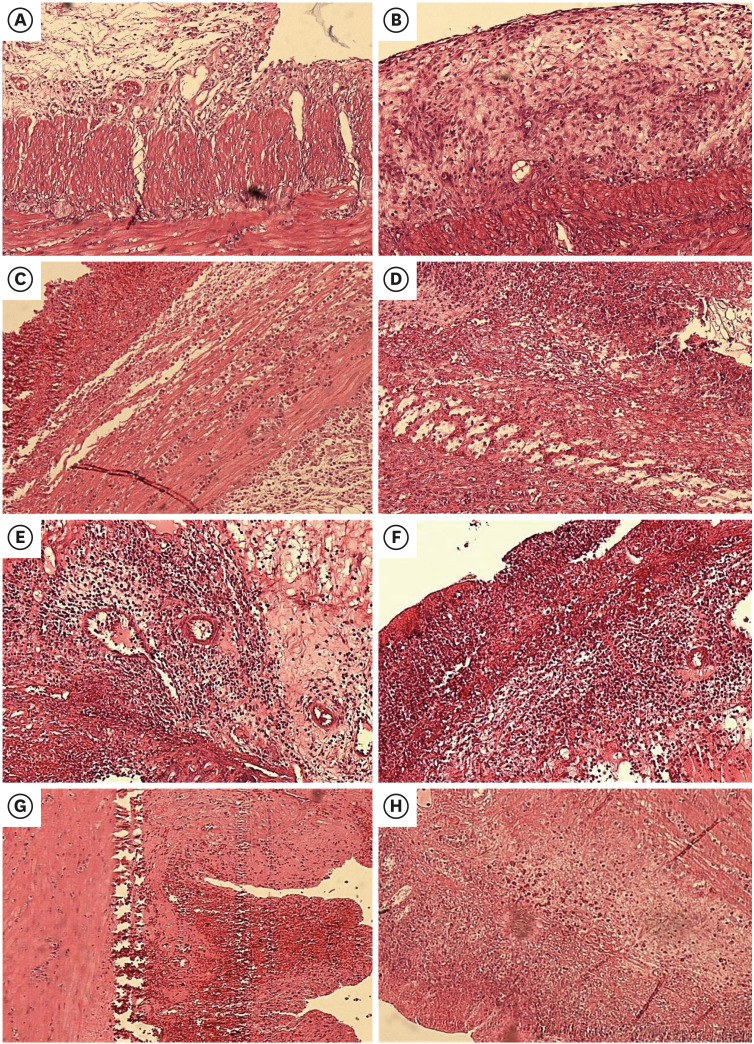
Ulcerative colitis (UC) is a chronic intestinal inflammation. Common clinical symptoms are weight loss, diarrhea, ulcers, and inflammation. Aloe vera (AV) has several medicinal properties including antioxidant, anti-inflammatory analgesic, and improvement of gastric and skin ulcers. This study aimed to investigate the protective and therapeutic effects of AV gel on acetic acid-induced UC in rats. UC was induced in 48 rats by injection of 4% acetic acid into the rectum. Protective and treatment groups received treatments 7 days before and after the induction of colitis, respectively. The negative control group, the positive control group, and AV groups received distilled water, sulfasalazine, and 50 and 300 mg/kg of gel extract, respectively. Water and food intake and body weight changes were recorded. The extent of the mucosal ulcers, colon tissue thickening, and mucosal bleeding were scored by the Gerald classification system score (microscopy observations). Slides of tissues were prepared for pathologic assay using the modified Wallace method (macroscopic observations). The results of the macroscopic and microscopic examination showed protective and therapeutic effects of 50 mg/kg dose of AV on acetic acid-induced colitis in rats which reduces the inflammation, ulcers and tissue damage compared with negative control (p < 0.05). There were no significant changes in the amount of water and food intake, body weight changes, and colon weight in protective and treatment groups. Based on the results, AV gel could be used to improve the symptoms of UC, as well as prevent people who are susceptible to the UC.
溃疡性结肠炎(UC)是一种慢性肠道炎症。常见的临床症状包括体重减轻、腹泻、溃疡和炎症。芦荟(AV)具有多种药用特性,包括抗氧化、抗炎镇痛以及改善胃溃疡和皮肤溃疡。本研究旨在探讨芦荟凝胶对大鼠乙酸诱导的溃疡性结肠炎的保护和治疗作用。通过向48只大鼠直肠内注射4%乙酸诱导溃疡性结肠炎。保护组和治疗组分别在结肠炎诱导前7天和诱导后接受治疗。阴性对照组、阳性对照组和芦荟组分别接受蒸馏水、柳氮磺胺吡啶以及50和300mg/kg的凝胶提取物。记录水和食物摄入量以及体重变化。采用杰拉尔德分类系统评分(显微镜观察)对黏膜溃疡程度、结肠组织增厚和黏膜出血进行评分。使用改良的华莱士方法(宏观观察)制备组织切片用于病理分析。宏观和微观检查结果显示,50mg/kg剂量的芦荟对大鼠乙酸诱导的结肠炎具有保护和治疗作用,与阴性对照组相比,可减轻炎症、溃疡和组织损伤(p<0.05)。保护组和治疗组的水和食物摄入量、体重变化以及结肠重量均无显著变化。基于这些结果,芦荟凝胶可用于改善溃疡性结肠炎的症状,并预防易患溃疡性结肠炎的人群。