Chbani Malika, Matthäus Bertrand, Charrouf Zoubida, El Monfalouti Hanae, Kartah Badr, Gharby Said, Willenberg Ina
Laboratory of Plant Chemistry and Organic and Bio-Organic Synthesis, Faculty of Sciences, Mohammed V University of Rabat, 10000 Rabat, Morocco.
Working Group for Lipid Research, Department of Safety and Quality of Cereals, Max Rubner-Institut (MRI), 32756 Detmold, Germany.
Foods. 2020 Aug 11;9(8):1098. doi: 10.3390/foods9081098.
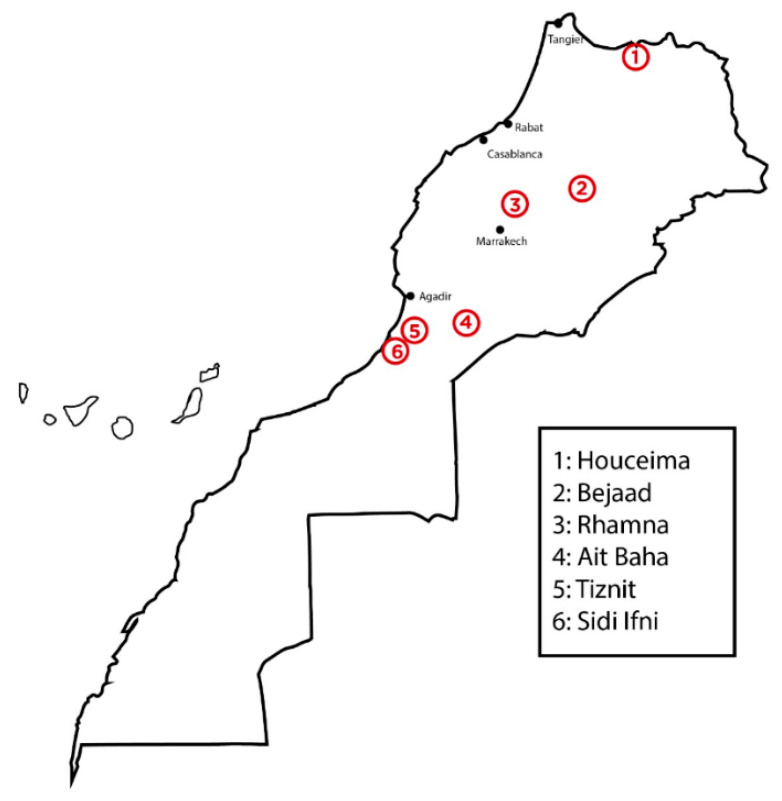
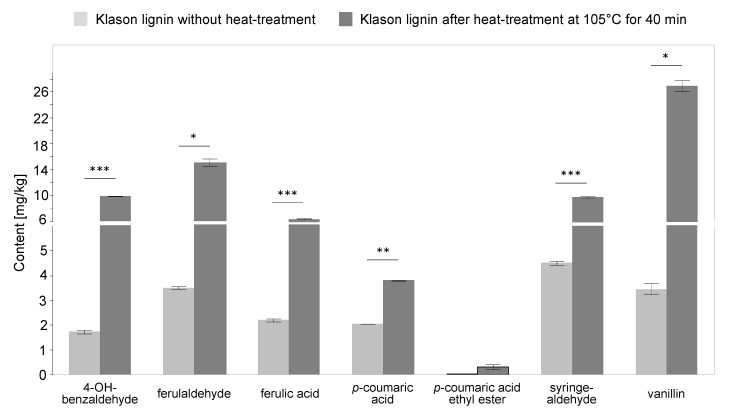
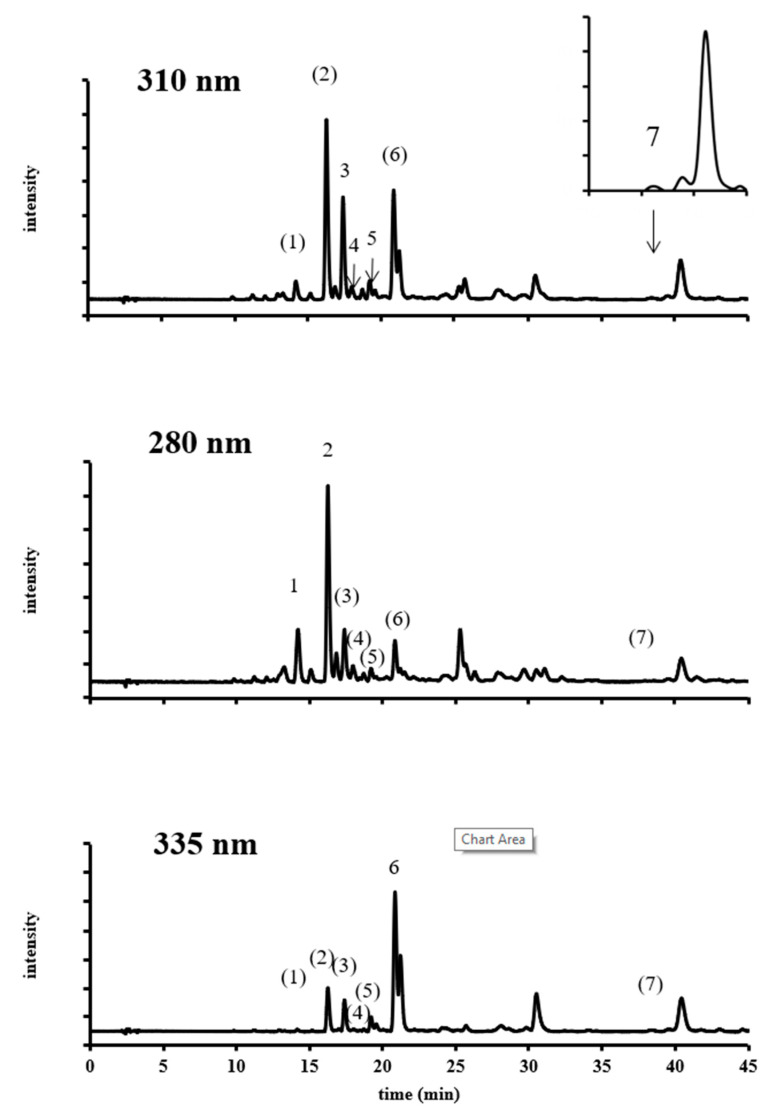
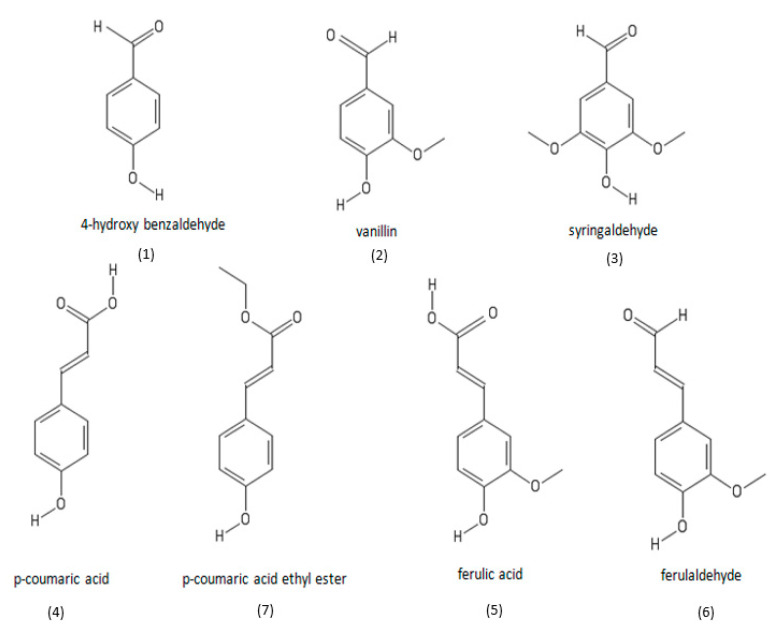
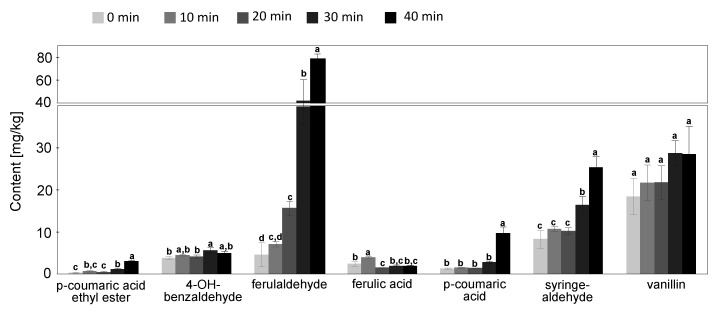
Phenolic compounds extracted from cactus seed oil were identified for the first time by HPLC-ESI-qToF-MS and subsequently quantified by HPLC-DAD. A total of 7 compounds were identified, vanillin, syringaldehyde, and ferulaldehyde were found to be the most abundant ones. The effect of geographical origin and roasting process of cactus seeds was evaluated. Differences between different locations were not found, however the roasting process had a significant effect on the amount of phenolic compounds. The amount of syringaldehyde, -coumaric acid, -coumaric acid ethyl ester, and ferulaldehyde increased during the roasting process. Nevertheless, the concentration of vanillin was not influenced by roasting. It was demonstrated that the increase of those compounds was due to the thermal degradation of lignin from the seeds during the roasting process of seeds.
首次通过高效液相色谱-电喷雾电离-四极杆飞行时间质谱(HPLC-ESI-qToF-MS)鉴定了从仙人掌籽油中提取的酚类化合物,随后通过高效液相色谱-二极管阵列检测器(HPLC-DAD)进行定量。共鉴定出7种化合物,发现香草醛、丁香醛和阿魏醛是含量最高的化合物。评估了仙人掌种子地理来源和烘焙过程的影响。未发现不同产地之间存在差异,但烘焙过程对酚类化合物的含量有显著影响。丁香醛、对香豆酸、对香豆酸乙酯和阿魏醛的含量在烘焙过程中增加。然而,香草醛的浓度不受烘焙影响。结果表明,这些化合物的增加是由于种子烘焙过程中种子木质素的热降解所致。