Marconi Patricia Laura, Trentini Andrea, Zawoznik Myriam, Nadra Carlos, Mercadé Juan Manuel, Sánchez Novoa Juan Gabriel, Orozco Daniel, Groppa María Daniela
CONICET, CEBBAD-Univ. Maimónides, Hidalgo 775, Buenos Aires, Argentina.
IQUIFIB, FFyB, Universidad de Buenos Aires, Junin 954, Buenos Aires, Argentina.
AMB Express. 2020 Aug 15;10(1):142. doi: 10.1186/s13568-020-01081-9.
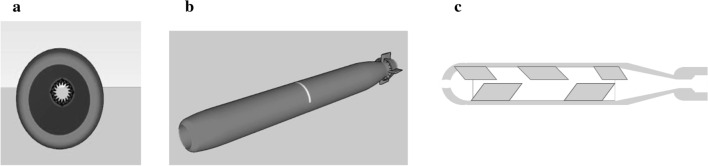
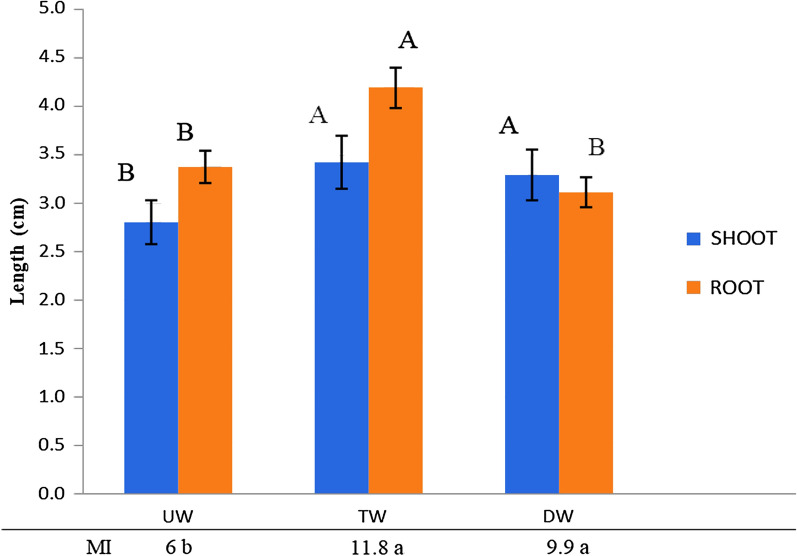
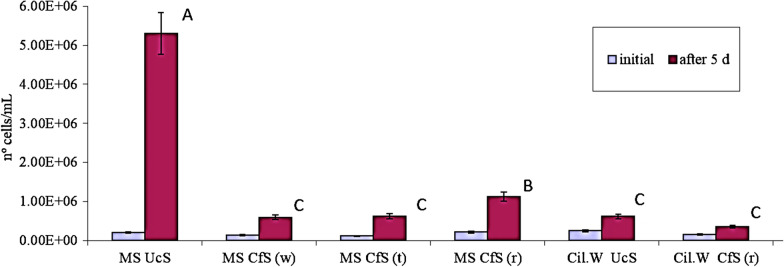
In the present work, a remediation bioprocess based on the use of a native isolate of Chlorella vulgaris immobilized in an alginate matrix inside a polylactic acid (PLA) device is proposed. This microalga immobilized in alginate beads was previously shown to be useful for the reduction of several chemical and microbial contaminants present in the highly polluted water from the Matanza-Riachuelo watershed. However, these beads had a relatively short shelf life in the natural environment. To overcome this limitation, a 3D-printed PLA device was designed. PLA is a biocompatible and biodegradable material suitable for biotechnological applications. We used Erlenmeyers and stirred-tank bioreactors fed batch with Murashige Skoog (MS) culture medium or water from the Cildáñez stream (one of the water bodies of the aforementioned watershed) to estimate the growth kinetics parameters and the bioremediation capacity of immobilized-microalgal cells as an unconfined system (UcS) or a confined system (CfS) inside PLA devices on Cildáñez water. Although alga's growth parameters were maximum in the UcS fed with MS medium as substrate, successful bioremediation of the target water was possible using the CfS: all inorganic nitrogen forms and total phosphorus were reduced at least by 90% after 5 days of bioprocess in an agitated bioreactor, whereas aerobic mesophilic bacteria decreased by about 85%. The number of coliforms also decreased. Standardized cytotoxicity tests using Allium cepa seeds carried out to prove the effectiveness of the bioremediation process, confirmed the high degree of decontamination achieved by the use of immobilized microalga confined in a 3D-printable PLA-device.
在本研究中,提出了一种基于使用固定在聚乳酸(PLA)装置内藻酸盐基质中的普通小球藻本地分离株的修复生物过程。先前已表明,固定在藻酸盐珠中的这种微藻可用于减少马坦萨 - 里亚丘埃洛流域高污染水中存在的几种化学和微生物污染物。然而,这些珠子在自然环境中的保质期相对较短。为克服这一限制,设计了一种3D打印的PLA装置。PLA是一种适用于生物技术应用的生物相容性和可生物降解材料。我们使用锥形瓶和搅拌罐生物反应器,分批加入Murashige Skoog(MS)培养基或来自西尔达涅斯溪(上述流域的水体之一)的水,以估计固定化微藻细胞作为PLA装置内的无限制系统(UcS)或受限系统(CfS)对西尔达涅斯水的生长动力学参数和生物修复能力。尽管以MS培养基为底物的UcS中藻类的生长参数最高,但使用CfS对目标水进行成功生物修复是可能的:在搅拌生物反应器中进行5天生物过程后,所有无机氮形式和总磷至少减少了90%,而需氧嗜温细菌减少了约85%。大肠菌群数量也减少了。使用洋葱种子进行的标准化细胞毒性试验以证明生物修复过程的有效性,证实了使用限制在3D可打印PLA装置中的固定化微藻实现的高度去污效果。