Department of Pharmacology and Experimental Neuroscience, University of Nebraska Medical Center, Omaha, NE, USA.
Department of Pathology and Microbiology, University of Nebraska Medical Center, Omaha, NE, USA.
J Mol Med (Berl). 2020 Oct;98(10):1369-1383. doi: 10.1007/s00109-020-01961-4. Epub 2020 Aug 18.
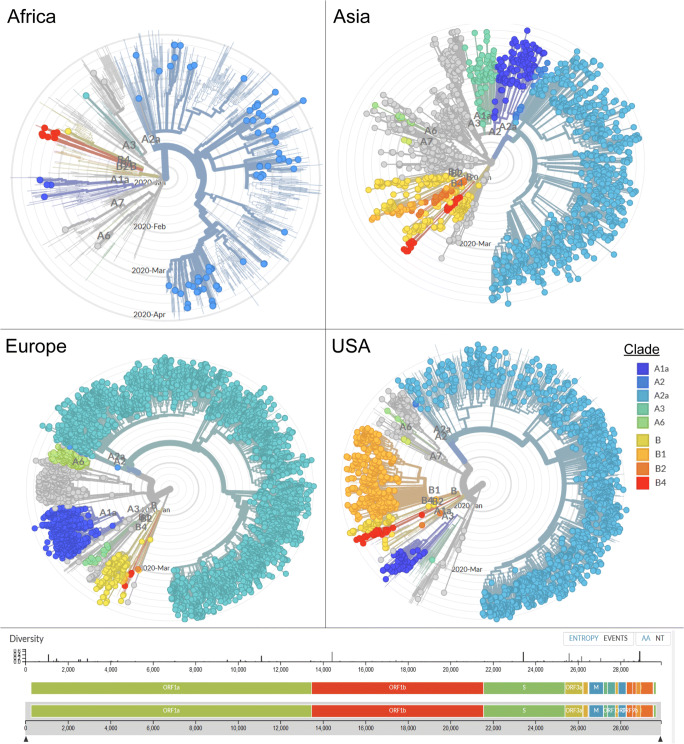
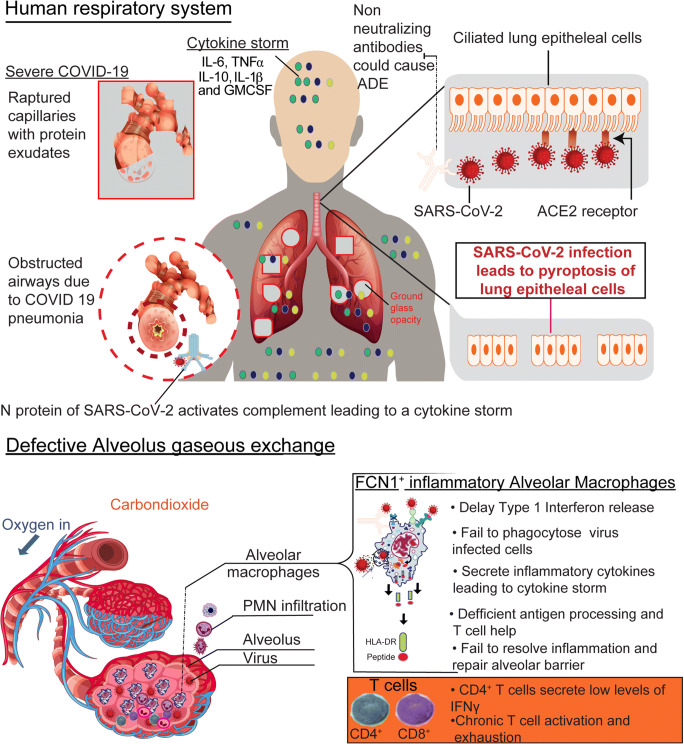
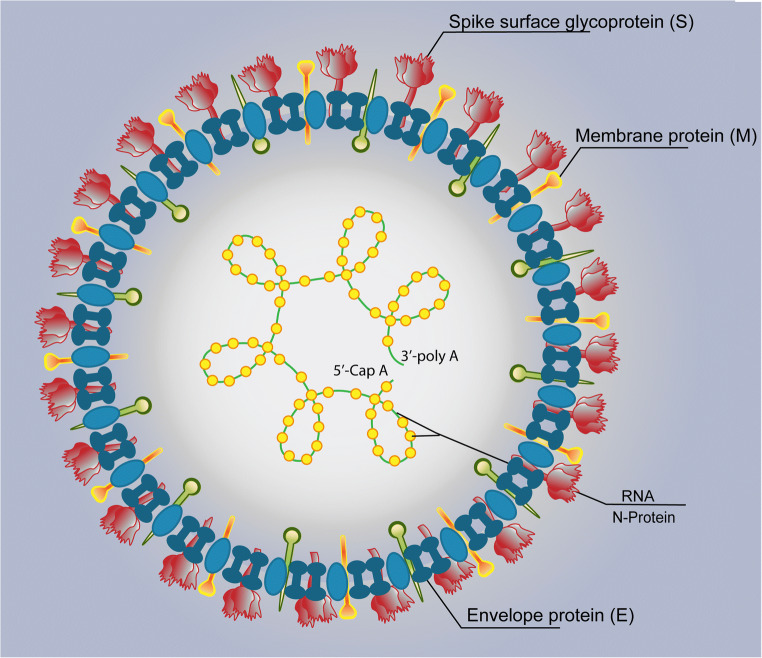
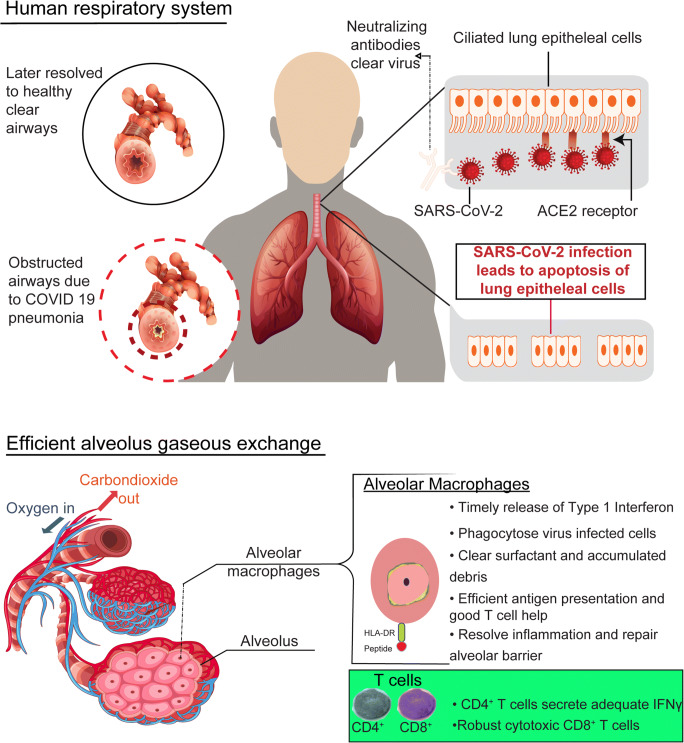
Occasional zoonotic viral attacks on immunologically naive populations result in massive death tolls that are capable of threatening human survival. Currently, severe acute respiratory syndrome coronavirus 2 (SARS-CoV-2), the infectious agent that causes coronavirus disease (COVID-19), has spread from its epicenter in Wuhan China to all parts of the globe. Real-time mapping of new infections across the globe has revealed that variable transmission patterns and pathogenicity are associated with differences in SARS-CoV-2 lineages, clades, and strains. Thus, we reviewed how changes in the SARS-CoV-2 genome and its structural architecture affect viral replication, immune evasion, and transmission within different human populations. We also looked at which immune dominant regions of SARS-CoV-2 and other coronaviruses are recognized by Major Histocompatibility Complex (MHC)/Human Leukocyte Antigens (HLA) genes and how this could impact on subsequent disease pathogenesis. Efforts were also placed on understanding immunological changes that occur when exposed individuals either remain asymptomatic or fail to control the virus and later develop systemic complications. Published autopsy studies that reveal alterations in the lung immune microenvironment, morphological, and pathological changes are also explored within the context of the review. Understanding the true correlates of protection and determining how constant virus evolution impacts on host-pathogen interactions could help identify which populations are at high risk and later inform future vaccine and therapeutic interventions.
偶尔会有动物源性病毒袭击免疫功能尚未成熟的人群,导致大量死亡,从而对人类生存构成威胁。目前,引发冠状病毒病(COVID-19)的病原体严重急性呼吸综合征冠状病毒 2(SARS-CoV-2)已从其在中国武汉的发源地传播到全球各地。对全球新感染病例的实时追踪表明,病毒株、谱系和变体的差异与 SARS-CoV-2 的传播模式和致病性有关。因此,我们回顾了 SARS-CoV-2 基因组及其结构架构的变化如何影响不同人群中病毒的复制、免疫逃逸和传播。我们还研究了 SARS-CoV-2 和其他冠状病毒的哪些免疫优势区域被主要组织相容性复合体(MHC)/人类白细胞抗原(HLA)基因识别,以及这如何影响随后的疾病发病机制。我们还努力了解接触病毒的个体无症状或无法控制病毒后发生的免疫变化,以及随后出现全身并发症的情况。在这篇综述中,还探讨了发表的尸检研究揭示的肺部免疫微环境改变、形态和病理学变化。了解真正的保护相关性,并确定病毒的持续进化如何影响宿主-病原体相互作用,有助于确定哪些人群面临高风险,并为未来的疫苗和治疗干预措施提供信息。