Quach Henry, Ray-Chaudhuri Arijit
Department of Restorative Dentistry, Royal Sussex County Hospital, Brighton, UK.
Int J Implant Dent. 2020 Aug 18;6(1):47. doi: 10.1186/s40729-020-00242-6.
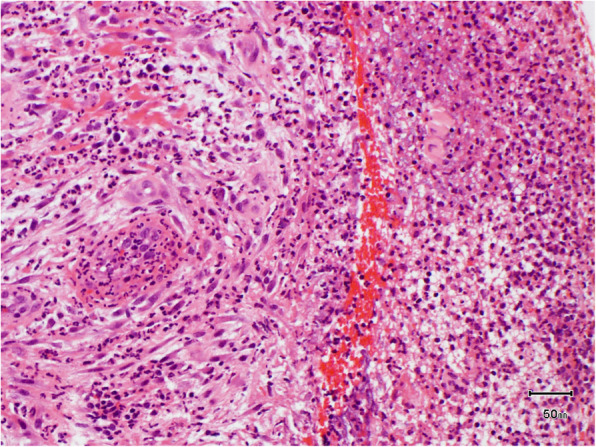
Gingival tissue enlargement is a common side effect of antiepileptic medications (e.g. phenytoin and sodium valproate), immunosuppressing drugs (e.g. cyclosporine) and calcium channel blockers (e.g. nifedipine, verapamil, amlodipine) (Murakami et al. 2018, Clin Periodontol 45:S17-S27, 2018). The clinical and histological appearances of lesions caused by these drugs are indistinguishable from one another (Murakami et al. 2018, Clin Periodontol 45:S17-S27, 2018). Drug-induced gingival enlargement is rarely seen in edentulous patients.
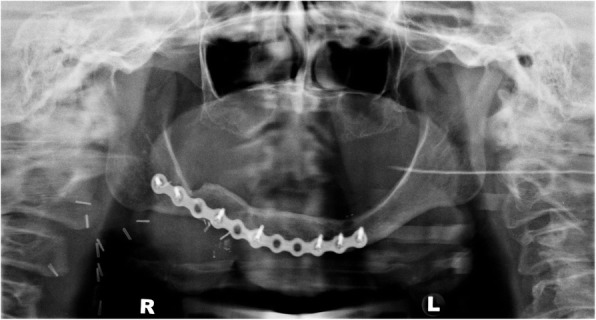
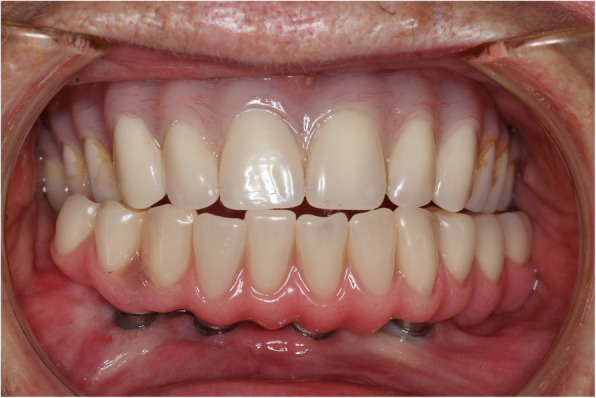
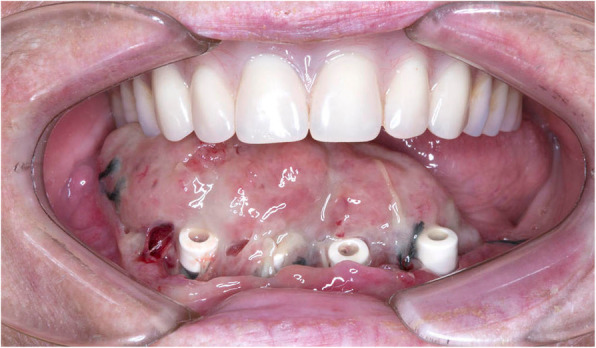
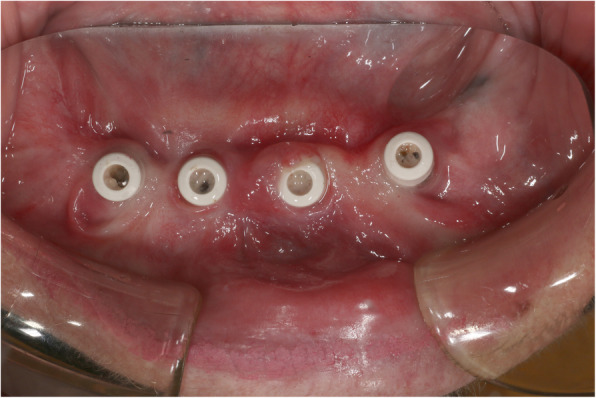
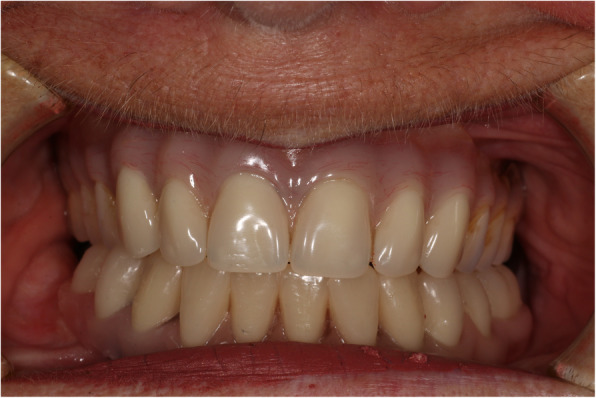
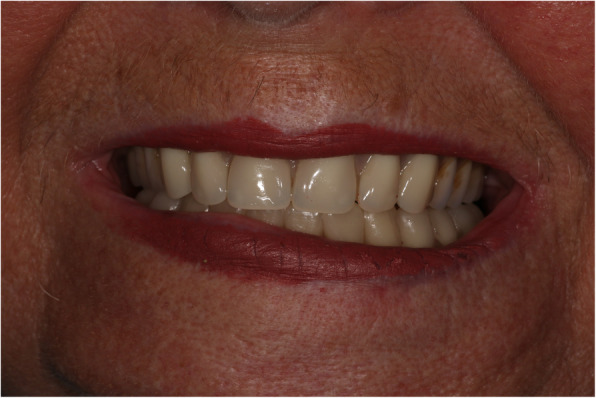
This case presents a 72-year-old female with a history of squamous cell carcinoma of the floor of the mouth treated with surgical excision and fibula-free flap reconstruction. Following the uncovering of osseointegrated implants placed in the fibular-free flap, the patient developed gingival enlargement of the floor of the mouth. Cessation of amlodipine and switching to an alternative medication lead to a resolution of the enlarged tissue.
This case illustrates that gingival enlargement can occur around dental implants, most notably in rehabilitation cases in patients who have had head and neck cancer. Clinicians should be aware of the risk of gingival enlargement in hypertensive patients taking calcium channel blockers prior to implant placement.
牙龈组织增生是抗癫痫药物(如苯妥英钠和丙戊酸钠)、免疫抑制药物(如环孢素)以及钙通道阻滞剂(如硝苯地平、维拉帕米、氨氯地平)的常见副作用(村上等人,2018年,《临床牙周病学》45卷:S17 - S27页,2018年)。这些药物引起的病变在临床和组织学表现上彼此难以区分(村上等人,2018年,《临床牙周病学》45卷:S17 - S27页,2018年)。药物性牙龈增生在无牙患者中很少见。
本病例介绍了一名72岁女性,有口腔底部鳞状细胞癌病史,接受了手术切除和游离腓骨瓣重建治疗。在暴露于游离腓骨瓣中植入的骨整合种植体后,患者出现口腔底部牙龈增生。停用氨氯地平并改用其他药物后,增生组织消退。
本病例表明牙龈增生可发生在牙种植体周围,最明显的是在头颈癌患者的修复病例中。临床医生在种植体植入前应意识到服用钙通道阻滞剂的高血压患者存在牙龈增生的风险。