Ozdemir Ozgun O, Soyer Ferda
Department of Molecular Biology and Genetics, Izmir Institute of Technology, 35430 Urla Izmir, Turkey.
ACS Omega. 2020 Aug 5;5(32):19938-19951. doi: 10.1021/acsomega.0c00703. eCollection 2020 Aug 18.
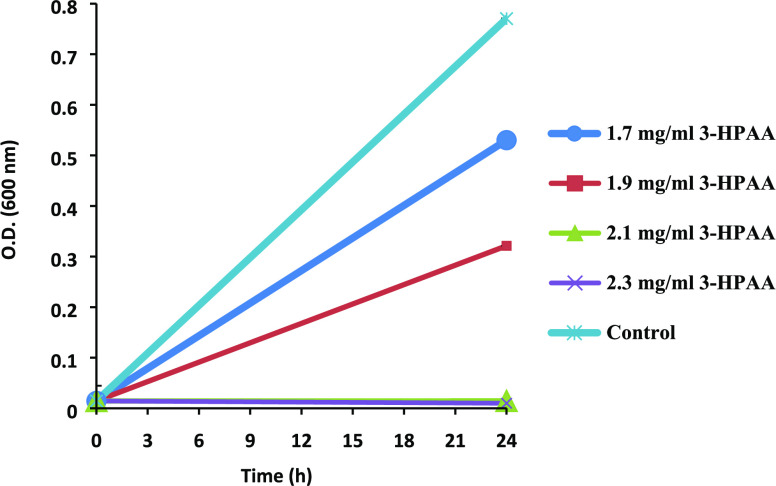
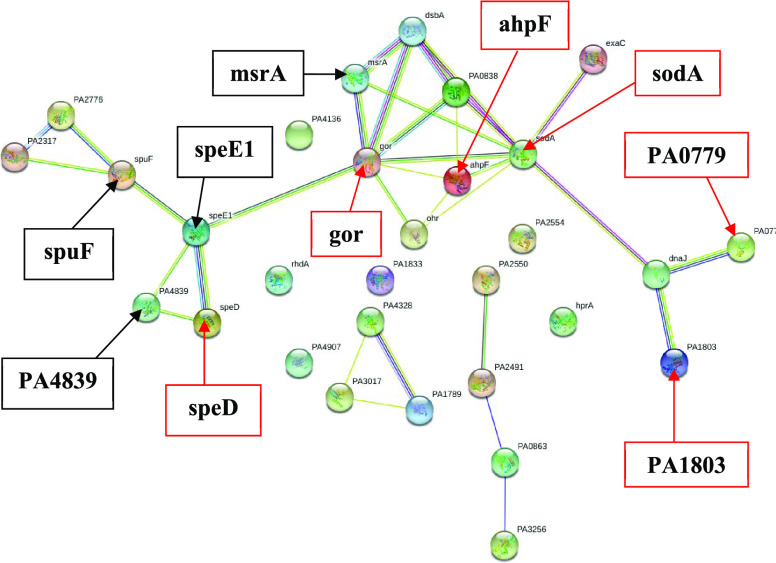
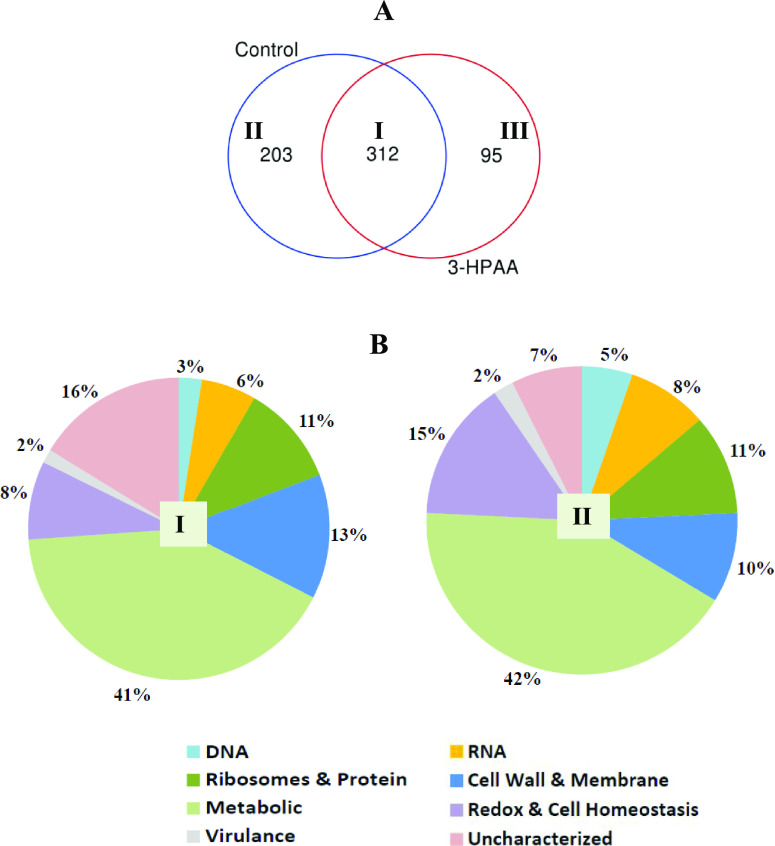
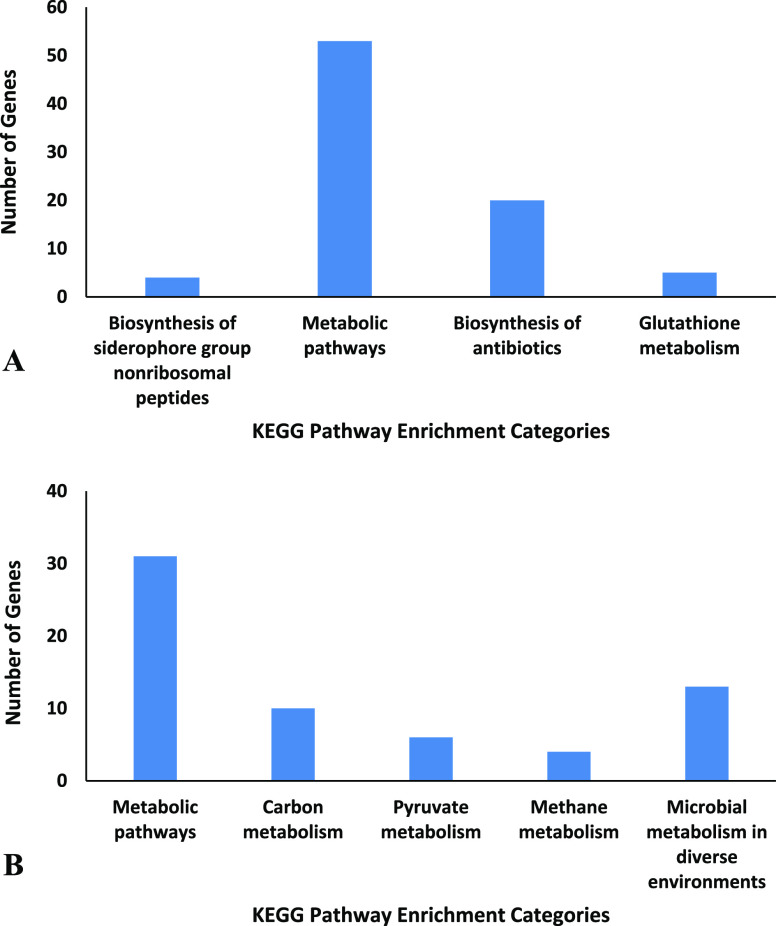
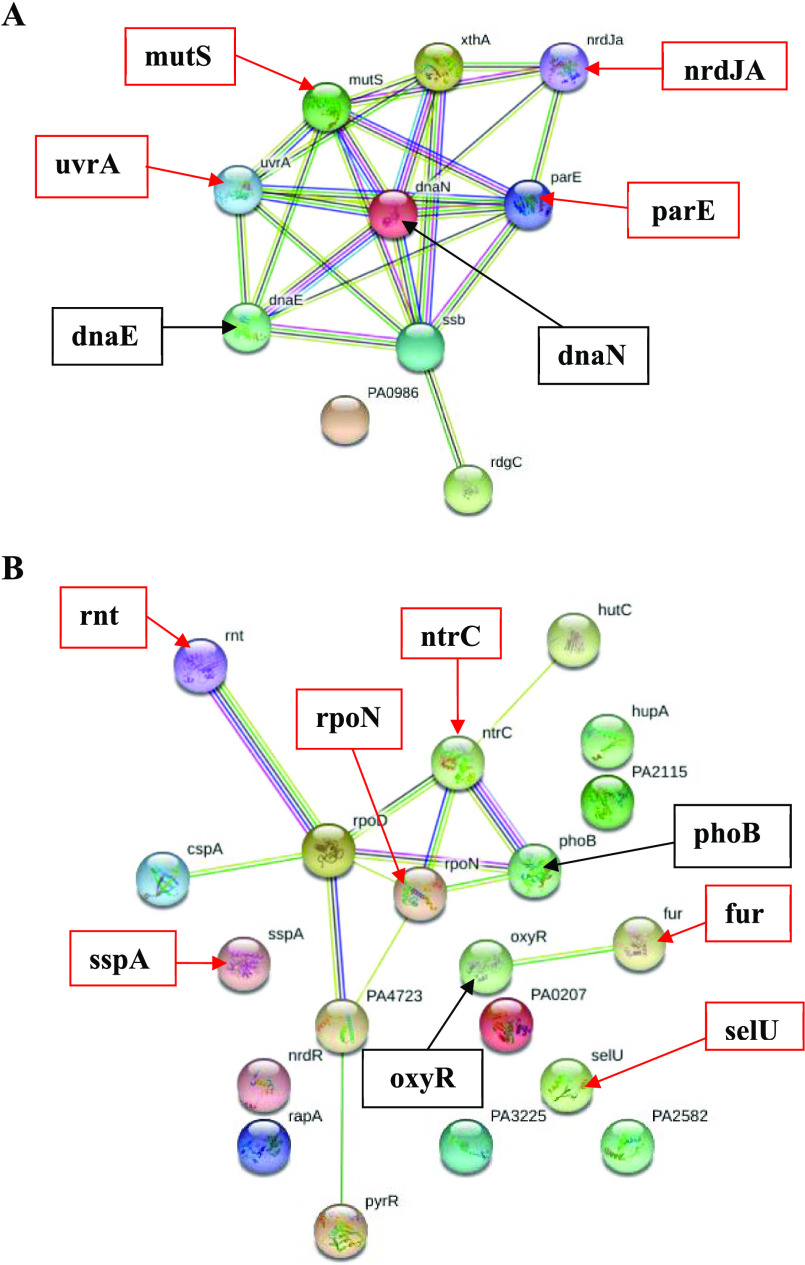
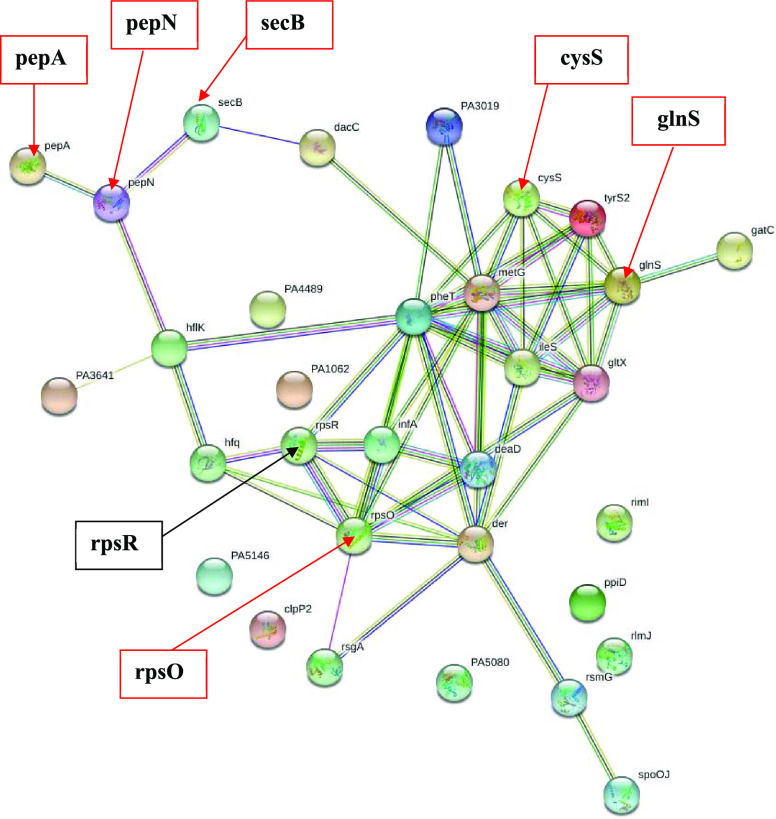
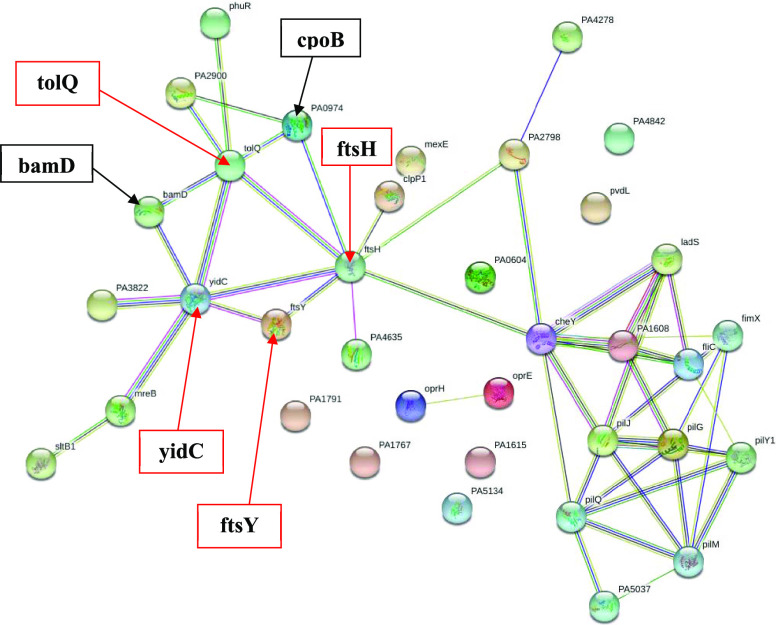
, a widely distributed opportunistic pathogen, is an important threat to human health for causing serious infections worldwide. Due to its antibiotic resistance and virulence factors, it is so difficult to combat this bacterium; thus, new antimicrobial agents are in search. 3-Hydroxyphenylacetic acid (3-HPAA), which is a phenolic acid mostly found in olive oil wastewater, can be a promising candidate with its dose-dependent antimicrobial properties. Elucidating the molecular mechanism of action is crucial for future examinations and the presentation of 3-HPAA as a new agent. In this study, the antimicrobial activity of 3-HPAA on and its action mechanism was investigated via shot-gun proteomics. The data, which are available via ProteomeXchange with identifier PXD016243, were examined by STRING analysis to determine the interaction networks of proteins. KEGG Pathway enrichment analysis via the DAVID bioinformatics tool was also performed to investigate the metabolic pathways that undetected and newly detected groups of the proteins. The results displayed remarkable changes after 3-HPAA exposure in the protein profile of related to DNA replication and repair, RNA modifications, ribosomes and proteins, cell envelope, oxidative stress, as well as nutrient availability. 3-HPAA showed its antimicrobial action on by affecting multiple bacterial processes; hence, it could be categorized as a multitarget antimicrobial agent.
[细菌名称]是一种广泛分布的机会致病菌,因在全球范围内引起严重感染而对人类健康构成重大威胁。由于其抗生素抗性和毒力因子,对抗这种细菌非常困难;因此,人们正在寻找新的抗菌剂。3-羟基苯乙酸(3-HPAA)是一种主要存在于橄榄油废水中的酚酸,因其具有剂量依赖性抗菌特性,可能是一种有前途的候选抗菌剂。阐明其分子作用机制对于未来的研究以及将3-HPAA作为一种新型药物的展示至关重要。在本研究中,通过鸟枪法蛋白质组学研究了3-HPAA对[细菌名称]的抗菌活性及其作用机制。通过STRING分析对可通过ProteomeXchange获得的标识符为PXD016243的数据进行检查,以确定蛋白质的相互作用网络。还通过DAVID生物信息学工具进行KEGG通路富集分析,以研究未检测到和新检测到的蛋白质组的代谢途径。结果显示,在暴露于3-HPAA后,与DNA复制和修复、RNA修饰、核糖体和蛋白质、细胞膜、氧化应激以及营养可用性相关的[细菌名称]蛋白质谱发生了显著变化。3-HPAA通过影响多种细菌过程对[细菌名称]发挥其抗菌作用;因此,它可被归类为多靶点抗菌剂。