May Meghan, Slitzky Matthew, Rostama Bahman, Barlow Deborah, Houseknecht Karen L
Department of Biomedical Sciences, College of Osteopathic Medicine, University of New England, Biddeford, ME, USA.
Brain Behav Immun Health. 2020 Jul;6:100097. doi: 10.1016/j.bbih.2020.100097. Epub 2020 Jun 23.
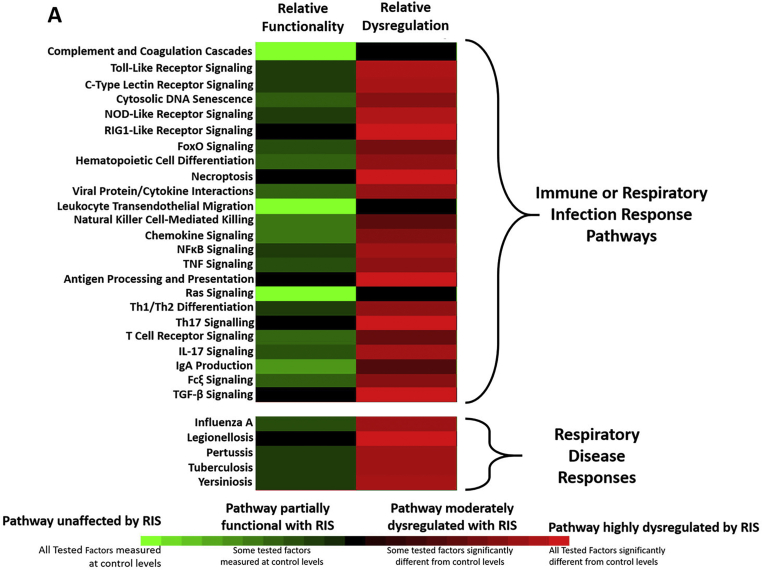
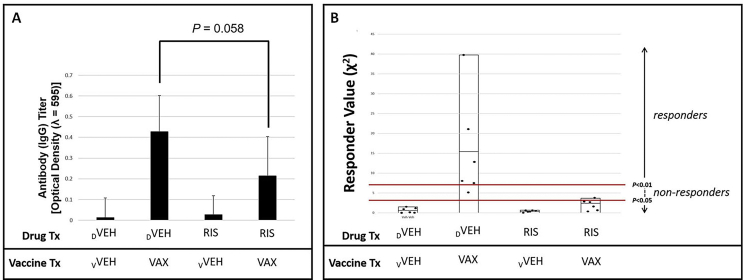
Patients with severe mental illness are more susceptible to infections for a variety of reasons, some associated with the underlying disease and some due to environmental factors including housing insecurity, smoking, poor access to healthcare, and medications used to treat these disorders. This increased susceptibility to respiratory infections may contribute to risk of COVID-19 infection in patients with severe mental illness or those in inpatient settings. Atypical antipsychotic (AA) medications are FDA approved to treat symptoms associated with schizophrenia, bipolar disorder, depression and irritability associated with autism. Our team and others have shown that AA may have anti-inflammatory properties that may contribute to their efficacy in the treatment of mental health disorders. Additionally, AA are widely prescribed off-label for diverse indications to non-psychotic patients including older adults, who are also at increased risk for COVID-19 complications and mortality. The aim of this study was to determine if AA medications such as risperidone (RIS) alter the ability to mount an appropriate response to an acute inflammatory or adaptive immune challenge using a preclinical model. Short-term treatment of healthy mice with a dose of RIS that achieves plasma concentrations within the low clinical range resulted in disrupted response to an inflammatory (LPS) challenge compared to vehicle controls. Furthermore, RIS also prevented treated animals from mounting an antibody response following vaccination with Pneumovax23®. These data indicate that short-to intermediate-term exposure to clinically relevant levels of RIS dysregulate innate and adaptive immune responses, which may affect susceptibility to respiratory infections, including COVID-19.
患有严重精神疾病的患者由于多种原因更容易受到感染,一些原因与基础疾病有关,另一些则是由于环境因素,包括住房不安全、吸烟、获得医疗保健的机会有限以及用于治疗这些疾病的药物。这种对呼吸道感染易感性的增加可能会导致患有严重精神疾病的患者或住院患者感染新冠病毒的风险增加。非典型抗精神病药物(AA)已获美国食品药品监督管理局(FDA)批准,用于治疗与精神分裂症、双相情感障碍、抑郁症以及与自闭症相关的易怒症状。我们团队和其他研究表明,AA可能具有抗炎特性,这可能有助于其在治疗精神健康障碍方面的疗效。此外,AA还被广泛用于非精神病患者的各种非标签适应症,包括老年人,而老年人感染新冠病毒并发症和死亡的风险也在增加。本研究的目的是使用临床前模型确定诸如利培酮(RIS)等AA药物是否会改变对急性炎症或适应性免疫挑战做出适当反应的能力。与溶剂对照组相比,用达到低临床范围血浆浓度的剂量的RIS对健康小鼠进行短期治疗,导致对炎症(脂多糖)挑战的反应受到干扰。此外,RIS还阻止了接受治疗的动物在接种23价肺炎球菌多糖疫苗(Pneumovax23®)后产生抗体反应。这些数据表明,短期至中期暴露于临床相关水平的RIS会使先天性和适应性免疫反应失调,这可能会影响对包括新冠病毒在内的呼吸道感染的易感性。