Department of Surgery, University of Wisconsin School of Medicine and Public Health, Madison, Wisconsin.
Burn and Surgical Research Laboratory, MedStar Health Research Institute, Washington, DC.
J Burn Care Res. 2021 Feb 3;42(1):98-109. doi: 10.1093/jbcr/iraa132.
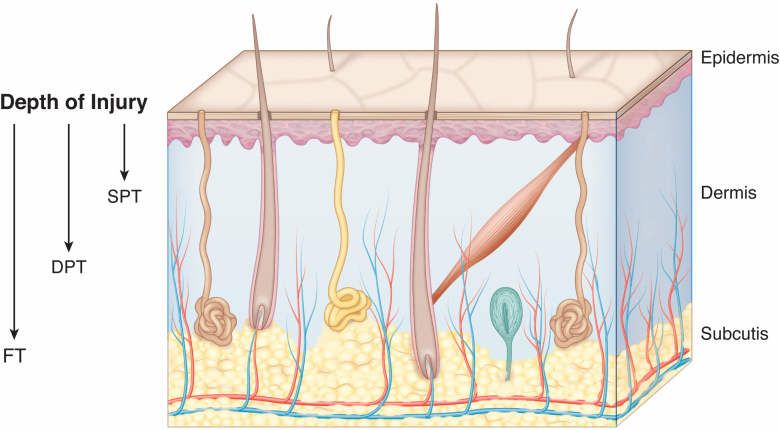
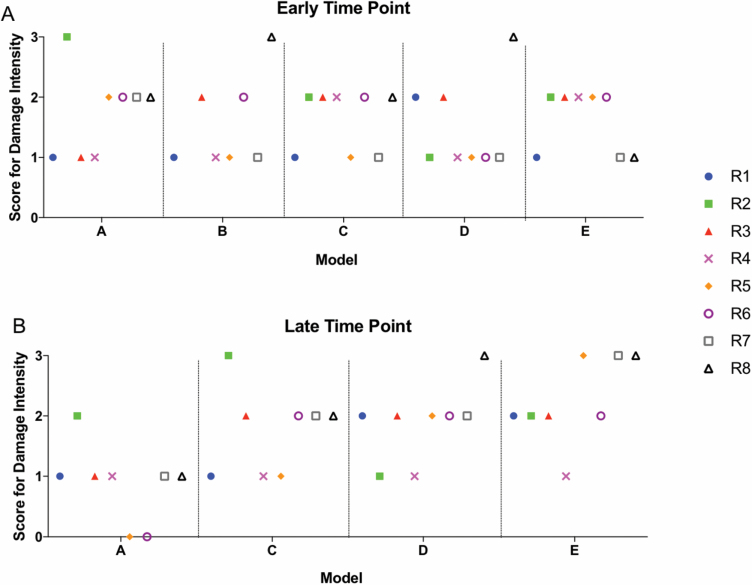
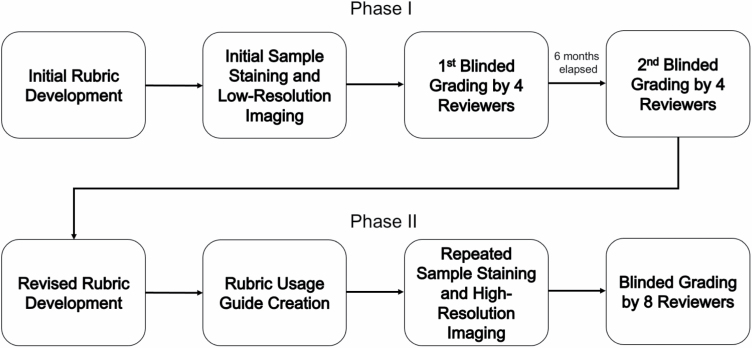
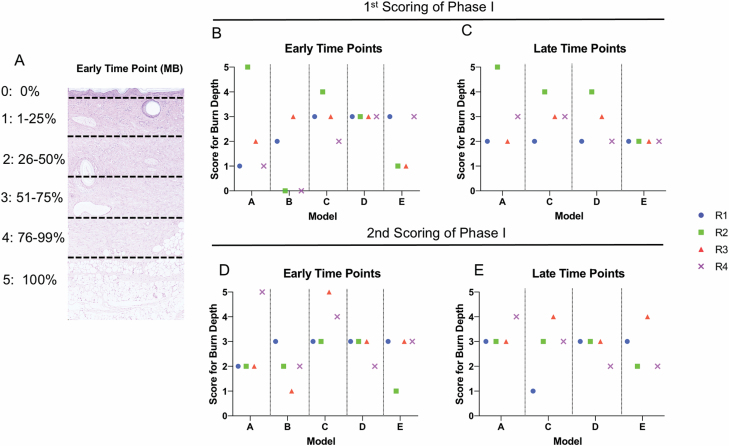
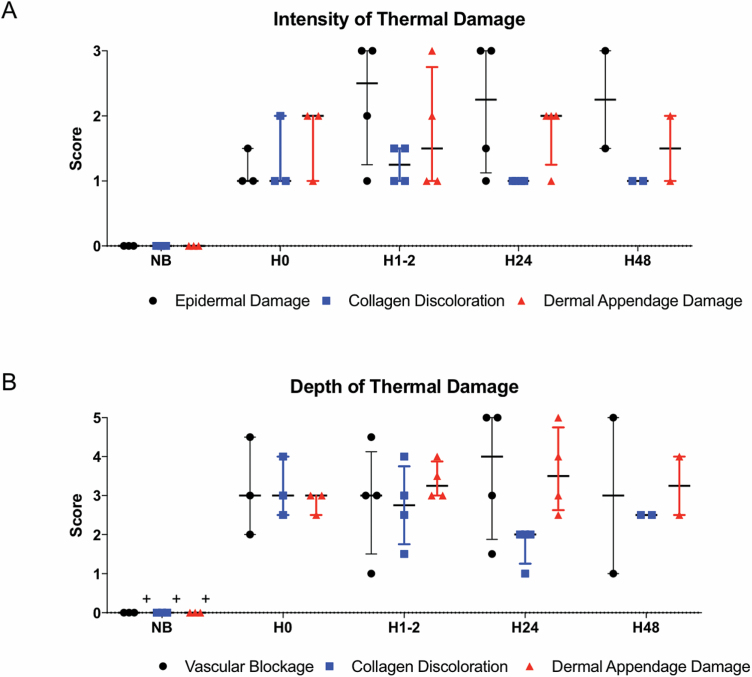
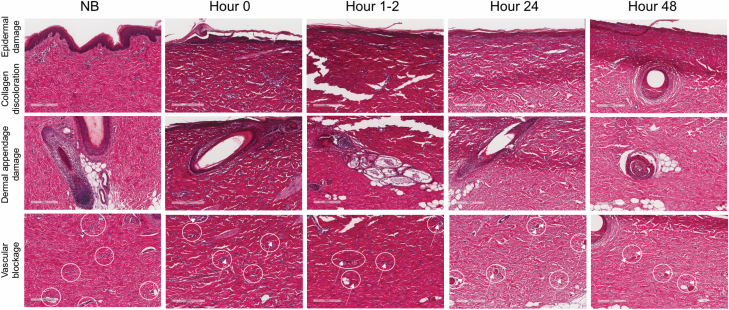
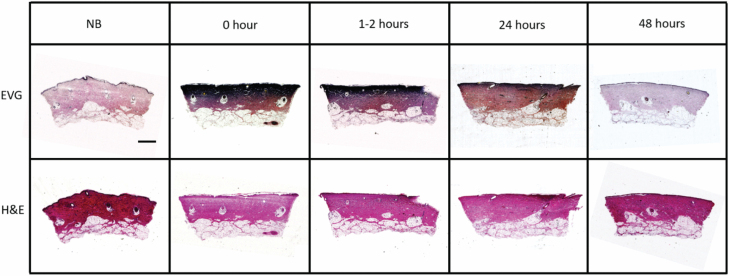
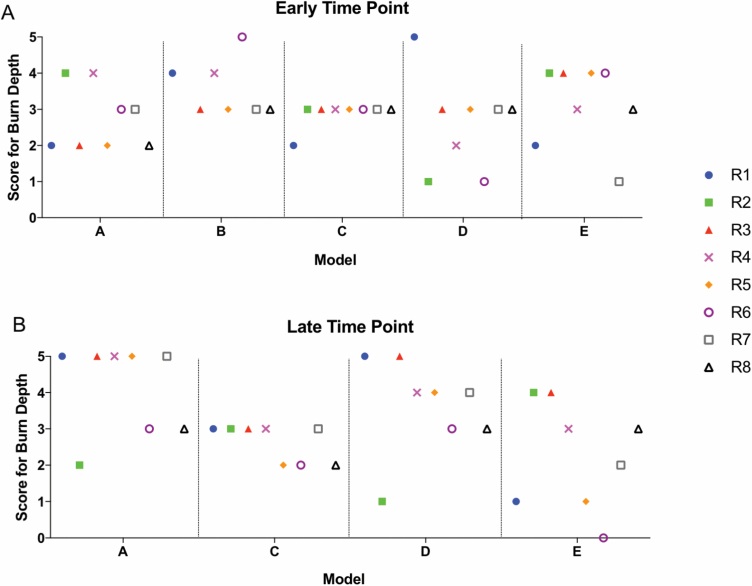
Deep partial thickness burns are clinically prevalent and difficult to diagnose. In order to develop methods to assess burn depth and therapies to treat deep partial thickness burns, reliable, accurate animal models are needed. The variety of animal models in the literature and the lack of precise details reported for the experimental procedures make comparison of research between investigators challenging and ultimately affect translation to patients. They sought to compare deep partial thickness porcine burn models from five well-established laboratories. In doing so, they uncovered a lack of consistency in approaches to the evaluation of burn injury depth that was present within and among various models. They then used an iterative process to develop a scoring rubric with an educational component to facilitate burn injury depth evaluation that improved reliability of the scoring. Using the developed rubric to re-score the five burn models, they found that all models created a deep partial thickness injury and that agreement about specific characteristics identified on histological staining was improved. Finally, they present consensus statements on the evaluation and interpretation of the microanatomy of deep partial thickness burns in pigs.
深度部分厚度烧伤在临床上较为常见且难以诊断。为了开发评估烧伤深度的方法和治疗深度部分厚度烧伤的疗法,需要可靠、准确的动物模型。文献中的动物模型种类繁多,且报道的实验程序细节不精确,这使得研究人员之间的比较具有挑战性,并最终影响到向患者的转化。他们试图比较来自五个知名实验室的深度部分厚度猪烧伤模型。在这样做的过程中,他们发现,在各种模型内部和之间,对烧伤深度评估方法的一致性存在不足。然后,他们使用迭代过程开发了一个具有教育组成部分的评分细则,以促进烧伤深度评估,从而提高评分的可靠性。使用开发的评分细则重新对五个烧伤模型进行评分,他们发现所有模型都造成了深度部分厚度损伤,并且对组织学染色上确定的特定特征的一致性得到了提高。最后,他们提出了关于猪深度部分厚度烧伤的微观解剖评估和解释的共识声明。