Department of Psychiatry, Peter O'Donnell Brain Institute, University of Texas Southwestern Medical Center, Dallas, United States.
Research Service, North Texas VA Health Care System, Dallas, United States.
Elife. 2020 Aug 27;9:e58331. doi: 10.7554/eLife.58331.
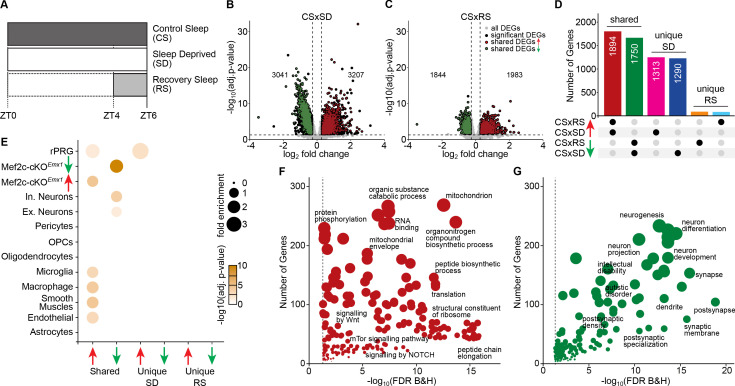
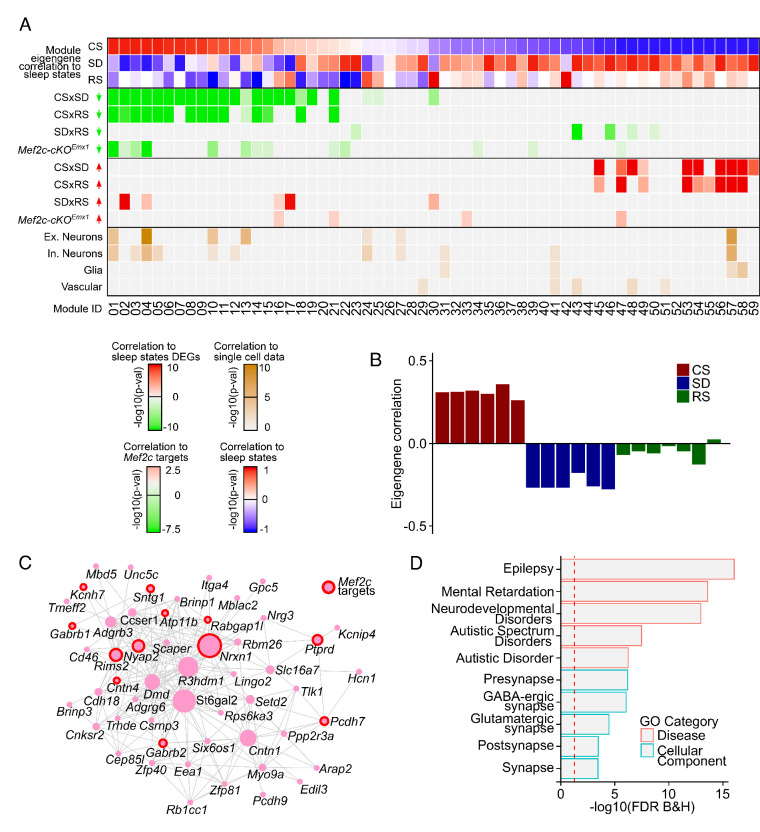
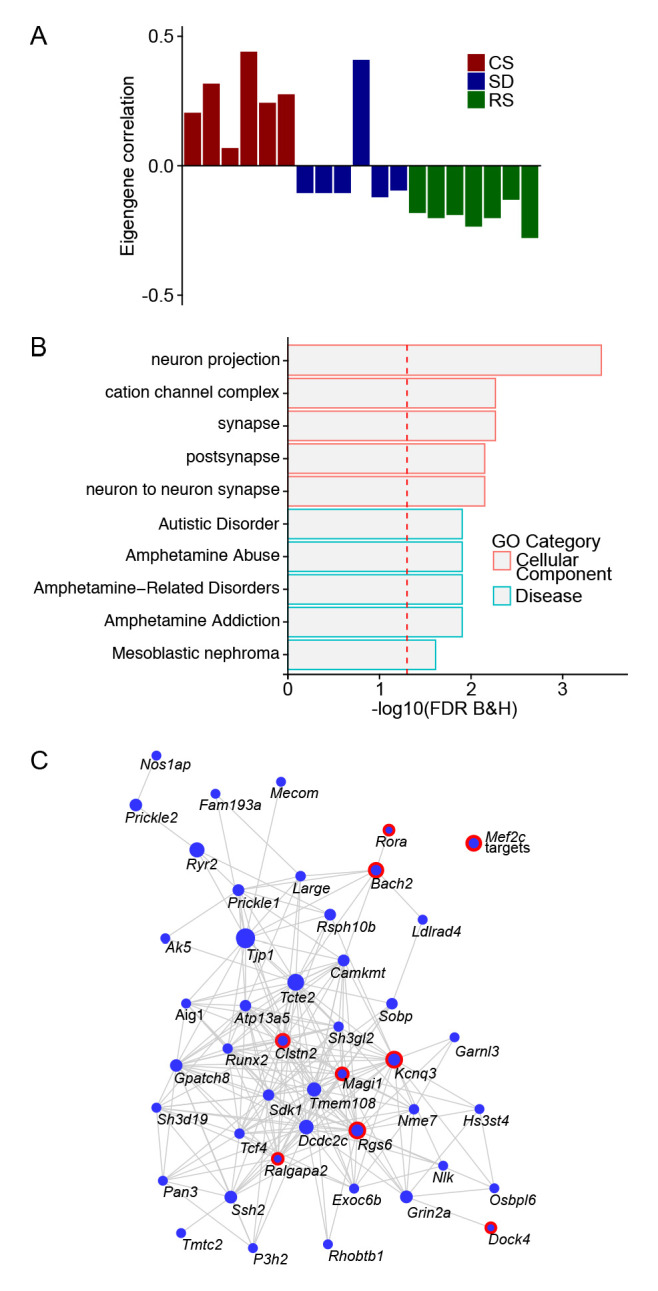
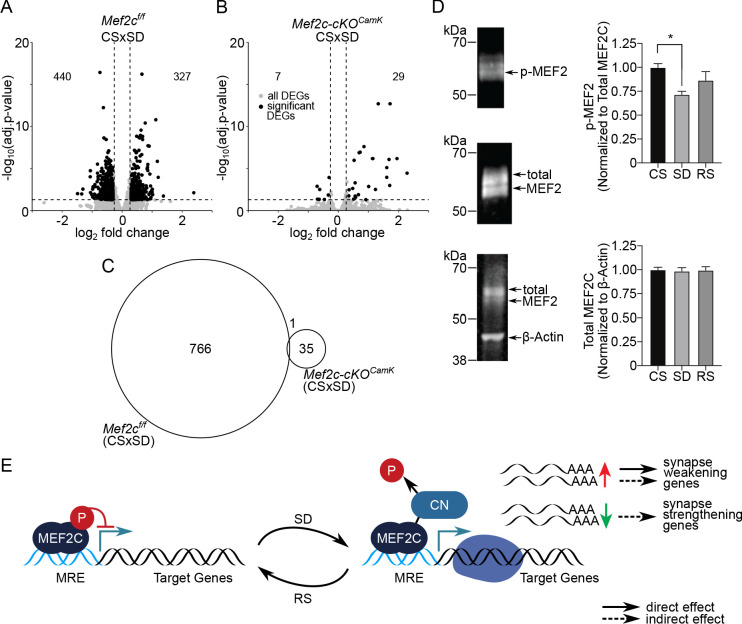
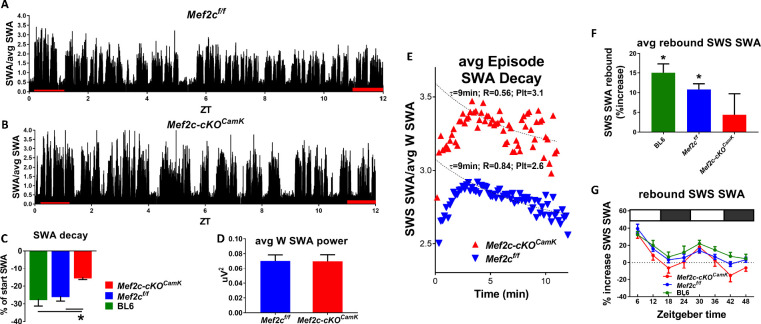
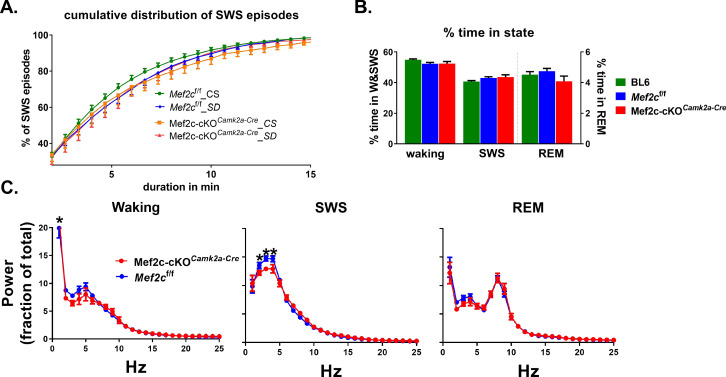
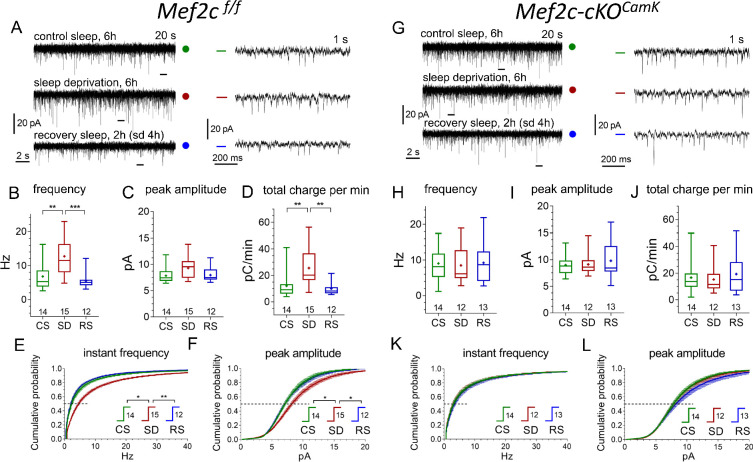
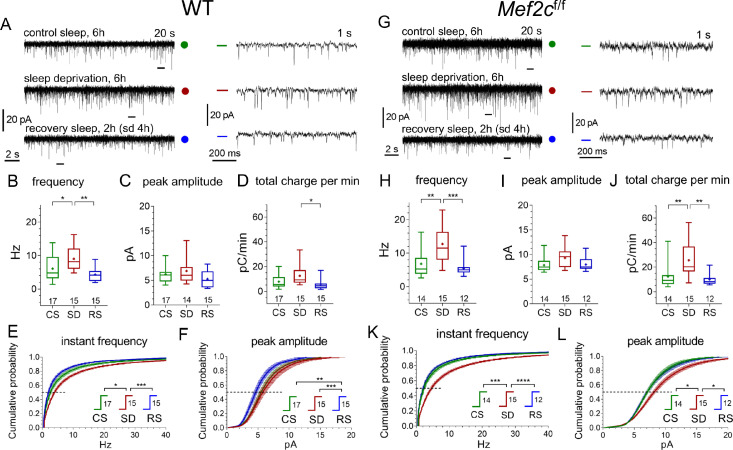
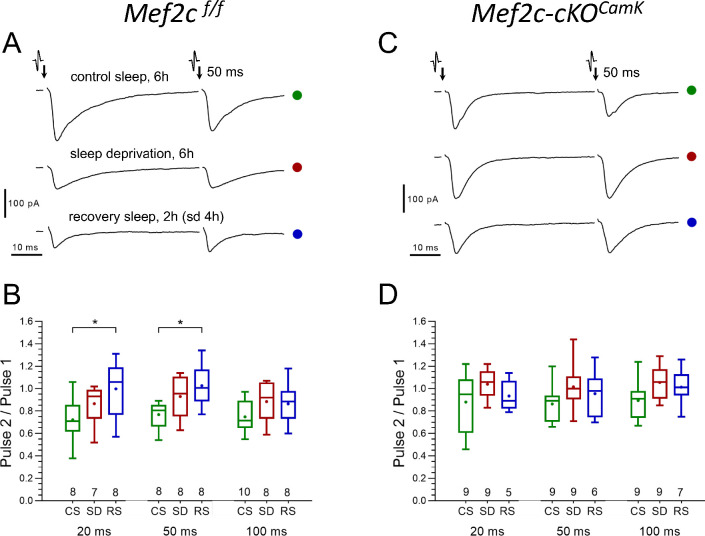
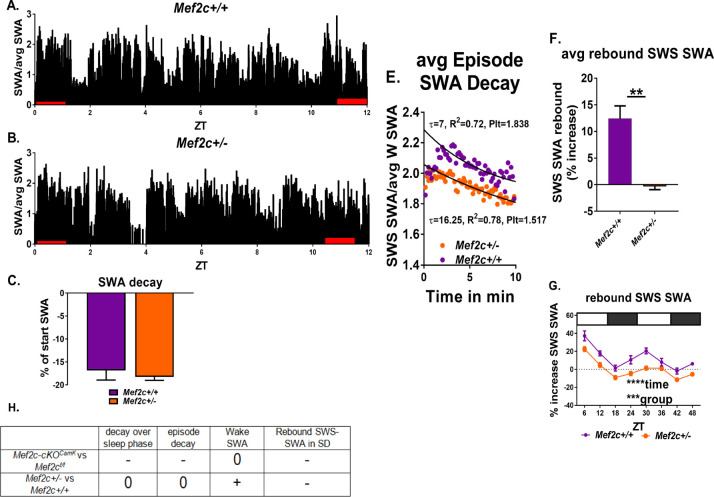
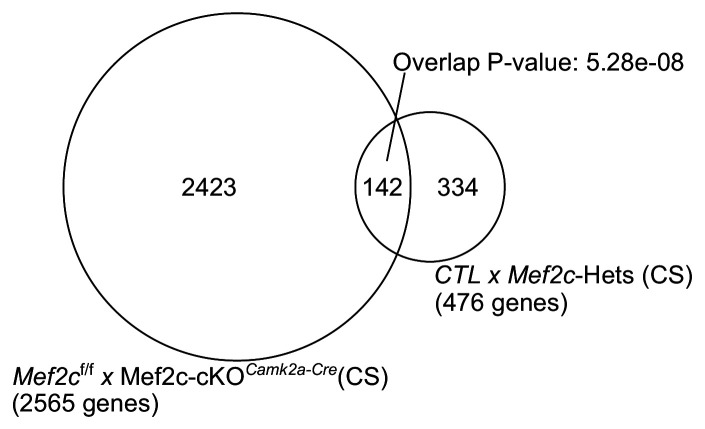
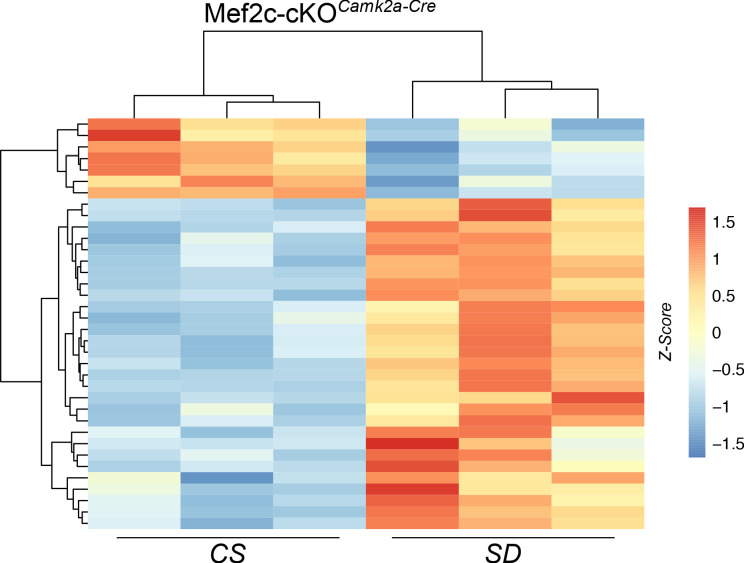
Neuronal activity and gene expression in response to the loss of sleep can provide a window into the enigma of sleep function. Sleep loss is associated with brain differential gene expression, an increase in pyramidal cell mEPSC frequency and amplitude, and a characteristic rebound and resolution of slow wave sleep-slow wave activity (SWS-SWA). However, the molecular mechanism(s) mediating the sleep-loss response are not well understood. We show that sleep-loss regulates MEF2C phosphorylation, a key mechanism regulating MEF2C transcriptional activity, and that MEF2C function in postnatal excitatory forebrain neurons is required for the biological events in response to sleep loss in C57BL/6J mice. These include altered gene expression, the increase and recovery of synaptic strength, and the rebound and resolution of SWS-SWA, which implicate MEF2C as an essential regulator of sleep function.
神经元活动和基因表达对睡眠缺失的响应,可以为睡眠功能之谜提供一个窗口。睡眠缺失与大脑差异基因表达、锥体神经元 mEPSC 频率和幅度增加以及慢波睡眠-慢波活动 (SWS-SWA) 的特征性反弹和恢复有关。然而,介导睡眠缺失反应的分子机制尚不清楚。我们表明,睡眠缺失调节 MEF2C 磷酸化,这是调节 MEF2C 转录活性的关键机制,MEF2C 在出生后兴奋性前脑神经元中的功能对于 C57BL/6J 小鼠对睡眠缺失的生物学反应是必需的。这些反应包括基因表达的改变、突触强度的增加和恢复,以及 SWS-SWA 的反弹和恢复,这表明 MEF2C 是睡眠功能的一个重要调节因子。