Department of Cell Biology and Histology, School of Medicine and Nursing, Biocruces Bizkaia Health Research Institute, University of the Basque Country UPV/EHU, 48940 Leioa, Bizkaia, Spain.
Cornea Division, Stein Eye Institute, University of California, Los Angeles, CA 90095, USA.
Int J Mol Sci. 2020 Aug 25;21(17):6132. doi: 10.3390/ijms21176132.
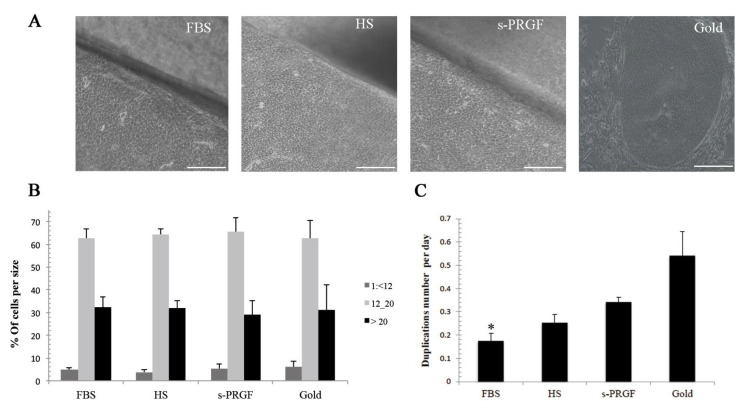
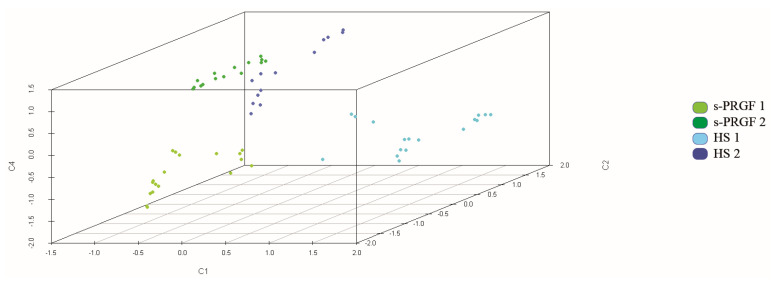
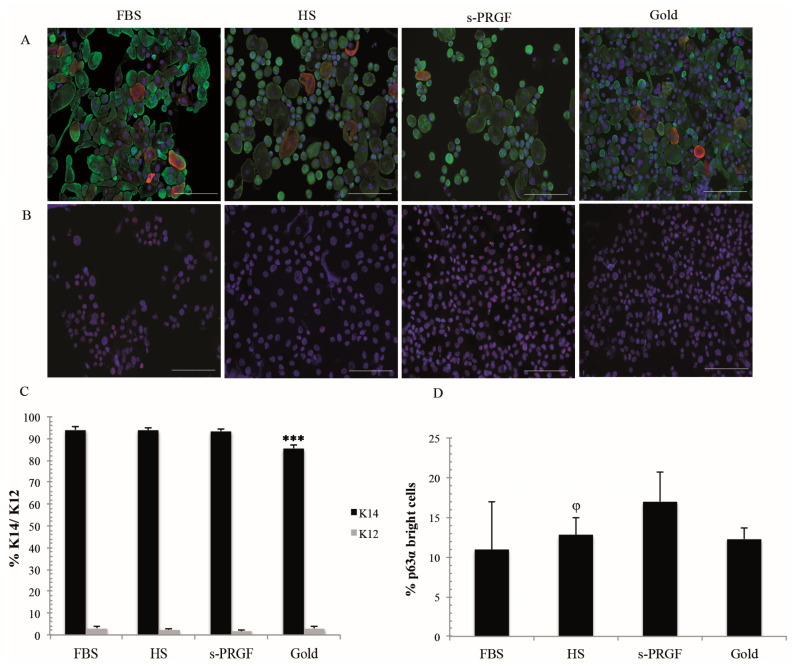
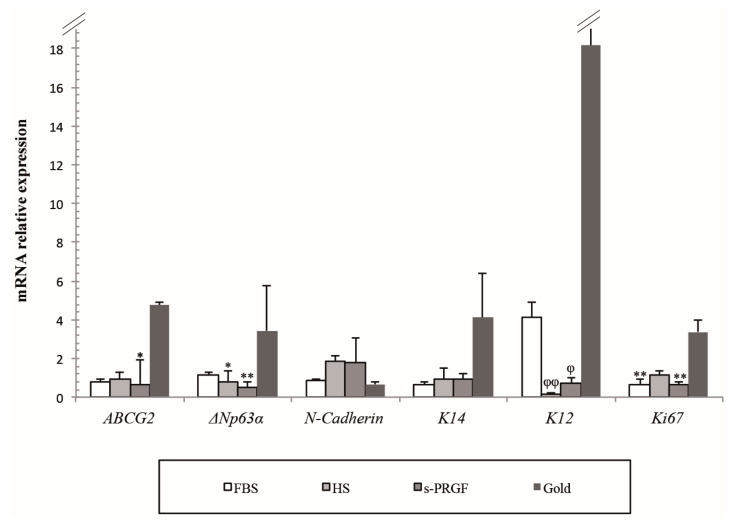
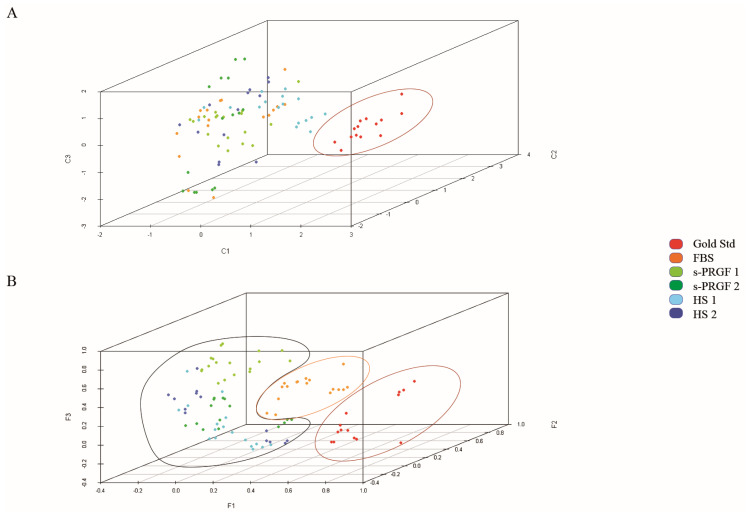
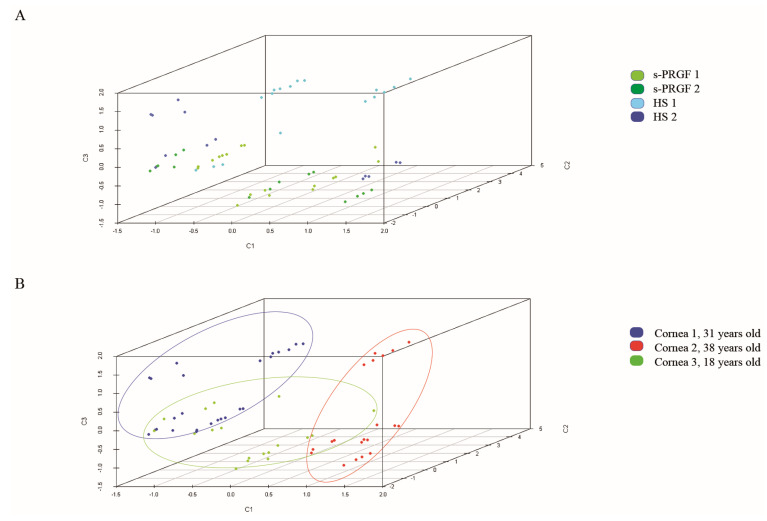
Transplantation of human cultured limbal epithelial stem/progenitor cells (LESCs) has demonstrated to restore the integrity and functionality of the corneal surface in about 76% of patients with limbal stem cell deficiency. However, there are different protocols for the expansion of LESCs, and many of them use xenogeneic products, being a risk for the patients' health. We compared the culture of limbal explants on the denuded amniotic membrane in the culture medium-supplemental hormone epithelial medium (SHEM)-supplemented with FBS or two differently produced human sera. Cell morphology, cell size, cell growth rate, and the expression level of differentiation and putative stem cell markers were examined. Several bioactive molecules were quantified in the human sera. In a novel approach, we performed a multivariate statistical analysis of data to investigate the culture factors, such as differently expressed molecules of human sera that specifically influence the cell phenotype. Our results showed that limbal cells cultured with human sera grew faster and contained similar amounts of small-sized cells, higher expression of the protein p63α, and lower of cytokeratin K12 than FBS cultures, thus, maintaining the stem/progenitor phenotype of LESCs. Furthermore, the multivariate analysis provided much data to better understand the obtaining of different cell phenotypes as a consequence of the use of different culture methodologies or different culture components.
人培养的角膜缘上皮干细胞/祖细胞(LESCs)移植已证明可恢复约 76%的角膜缘干细胞缺乏症患者的角膜表面完整性和功能。然而,LESCs 的扩增有不同的方案,其中许多方案使用异种产品,这对患者的健康构成风险。我们比较了在补充有 FBS 的基础激素上皮培养基(SHEM)中的裸羊膜上培养角膜缘组织片,或在两种不同来源的人血清中的培养。检测了细胞形态、细胞大小、细胞生长速度以及分化和潜在干细胞标志物的表达水平。在人血清中定量了几种生物活性分子。在一种新方法中,我们对数据进行了多变量统计分析,以研究培养因素,如人血清中差异表达的分子,这些分子特异性地影响细胞表型。我们的结果表明,用人血清培养的角膜缘细胞生长更快,含有更多数量的小细胞,p63α 蛋白表达更高,细胞角蛋白 K12 表达更低,因此保持了 LESCs 的干细胞/祖细胞表型。此外,多元分析提供了更多的数据,有助于更好地理解由于使用不同的培养方法学或不同的培养成分而获得不同的细胞表型。