Ab Malik Zulezwan, Bowden Davies Kelly A, Hall Elliott C R, Barrett Jennifer, Pullinger Samuel A, Erskine Robert M, Shepherd Sam O, Iqbal Zafar, Edwards Ben J, Burniston Jatin G
Research Institute for Sport & Exercise Sciences, Liverpool John Moores University, Liverpool L3 3AF, UK.
Institute of Sport, Exercise and Health, University College London, London WC1E 6BT, UK.
Proteomes. 2020 Aug 26;8(3):22. doi: 10.3390/proteomes8030022.
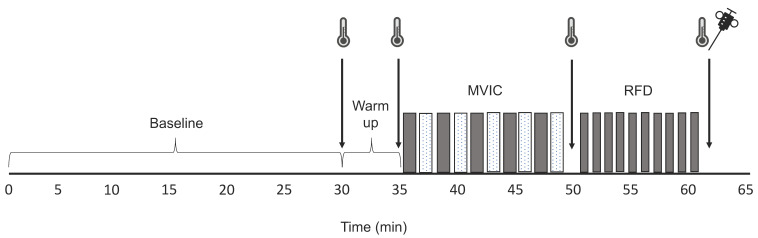
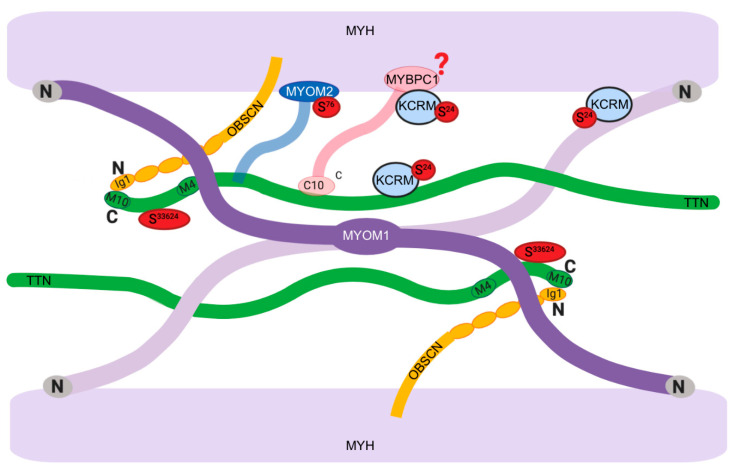
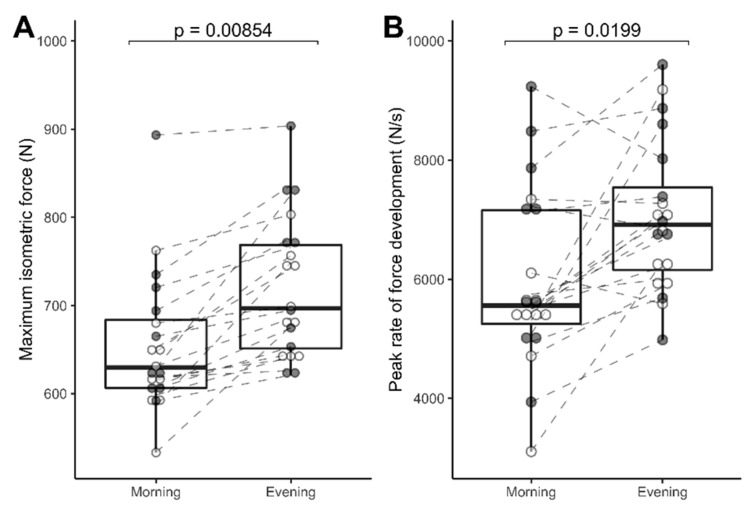
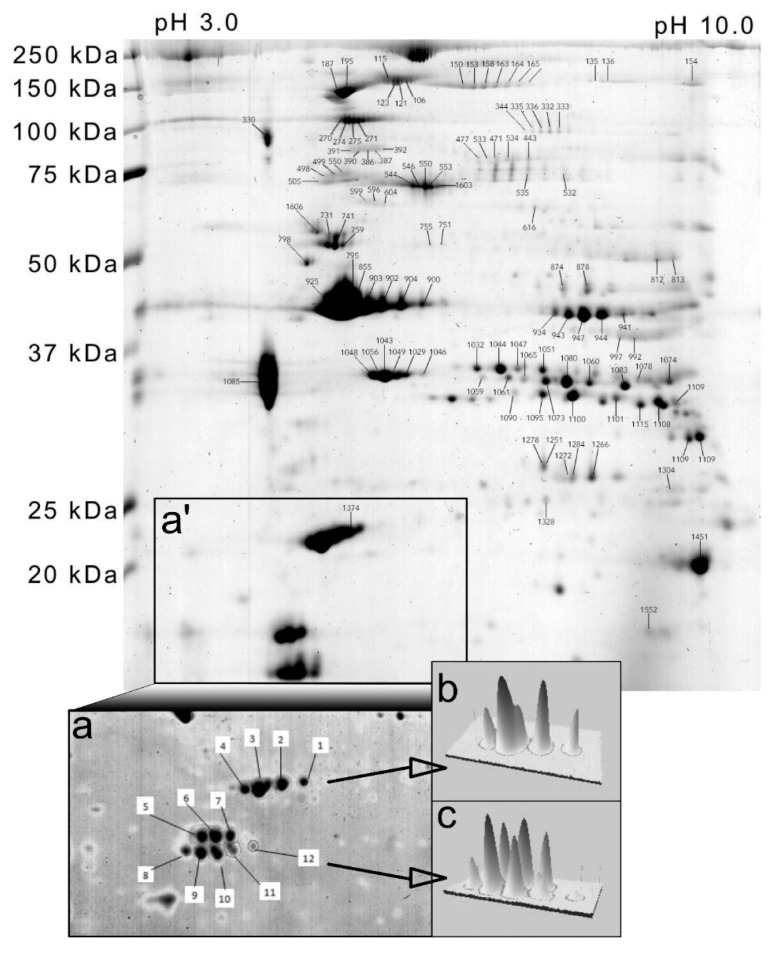
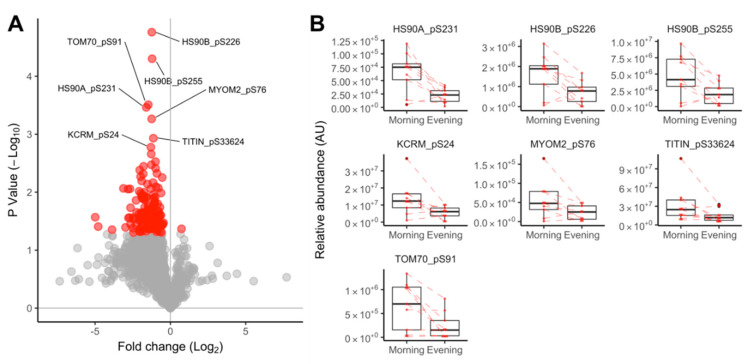
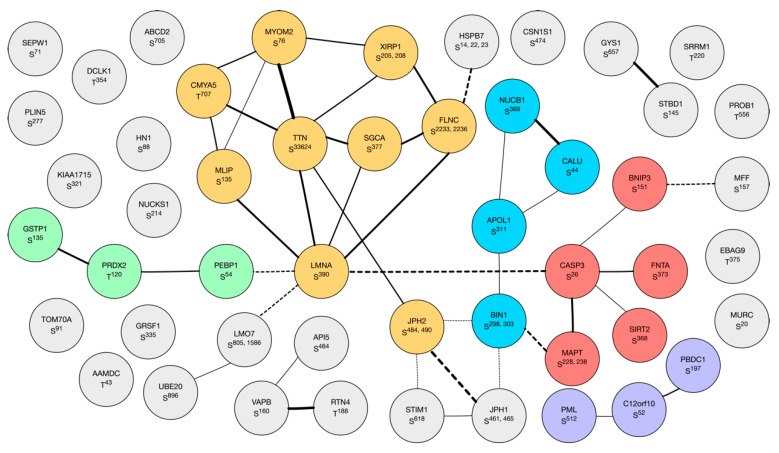
We investigated whether diurnal differences in muscle force output are associated with the post-translational state of muscle proteins. Ten physically active men (mean ± SD; age 26.7 ± 3.7 y) performed experimental sessions in the morning (08:00 h) and evening (17:00 h), which were counterbalanced in order of administration and separated by at least 72 h. Knee extensor maximal voluntary isometric contraction (MVIC) force and peak rate of force development (RFD) were measured, and samples of vastus lateralis were collected immediately after exercise. MVIC force was greater in the evening (mean difference of 67 N, 10.2%; < 0.05). Two-dimensional (2D) gel analysis encompassed 122 proteoforms and discovered 6 significant ( < 0.05; false discovery rate [FDR] = 10%) diurnal differences. Phosphopeptide analysis identified 1693 phosphopeptides and detected 140 phosphopeptides from 104 proteins that were more ( < 0.05, FDR = 22%) phosphorylated in the morning. Myomesin 2, muscle creatine kinase, and the C-terminus of titin exhibited the most robust (FDR < 10%) diurnal differences. Exercise in the morning, compared to the evening, coincided with a greater phosphorylation of M-band-associated proteins in human muscle. These protein modifications may alter the M-band structure and disrupt force transmission, thus potentially explaining the lower force output in the morning.
我们研究了肌肉力量输出的昼夜差异是否与肌肉蛋白的翻译后状态相关。十名身体活跃的男性(均值±标准差;年龄26.7±3.7岁)在上午(08:00)和晚上(17:00)进行实验,实验顺序相互抵消,且间隔至少72小时。测量了膝关节伸肌最大自主等长收缩(MVIC)力量和力量发展峰值速率(RFD),并在运动后立即采集了股外侧肌样本。晚上的MVIC力量更大(平均差异为67 N,10.2%;<0.05)。二维(2D)凝胶分析涵盖了122种蛋白质异构体,发现了6个显著的(<0.05;错误发现率[FDR]=10%)昼夜差异。磷酸肽分析鉴定出1693个磷酸肽,并检测到来自104种蛋白质的140个磷酸肽在上午磷酸化程度更高(<0.05,FDR=22%)。肌间蛋白2、肌肉肌酸激酶和肌联蛋白的C末端表现出最显著的(FDR<10%)昼夜差异。与晚上相比,早上运动时人体肌肉中M带相关蛋白的磷酸化程度更高。这些蛋白质修饰可能会改变M带结构并破坏力的传递,从而有可能解释早上较低的力量输出。