Institute of Medical Virology, University Hospital, Goethe University Frankfurt, Paul-Ehrlich-Str. 40, D-60590 Frankfurt, Germany.
FiW e.V., Research Institute for Water and Waste Management at RWTH Aachen, Kackertstraße 15-17, D-52056 Aachen, Germany.
Sci Total Environ. 2021 Jan 10;751:141750. doi: 10.1016/j.scitotenv.2020.141750. Epub 2020 Aug 18.
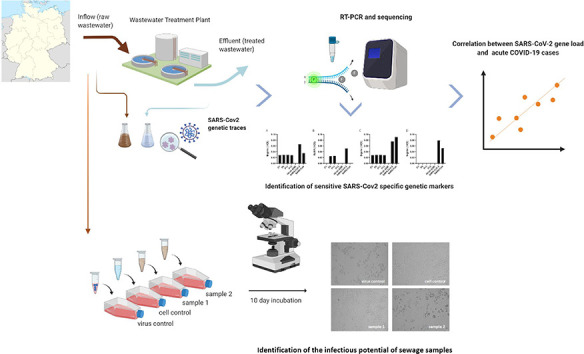
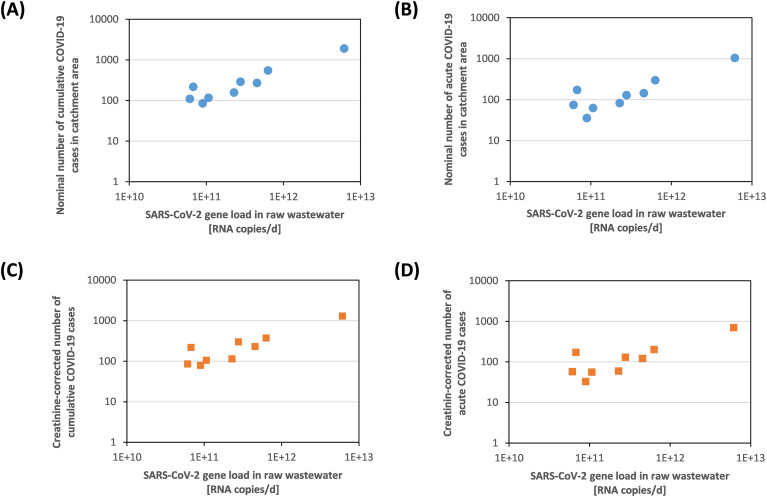
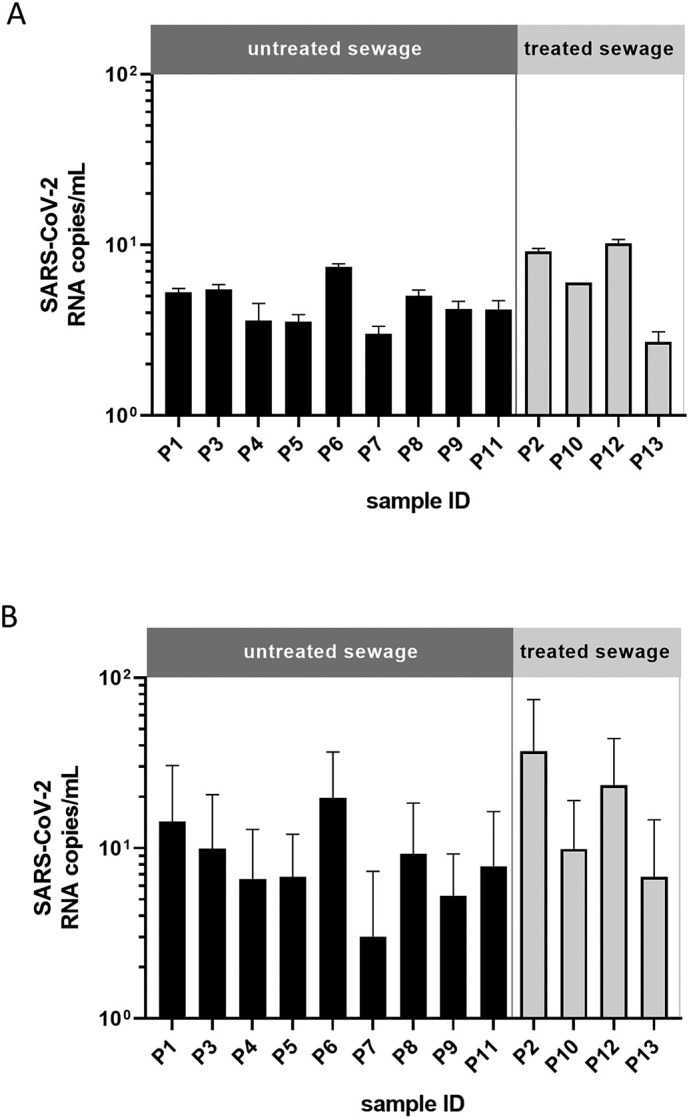
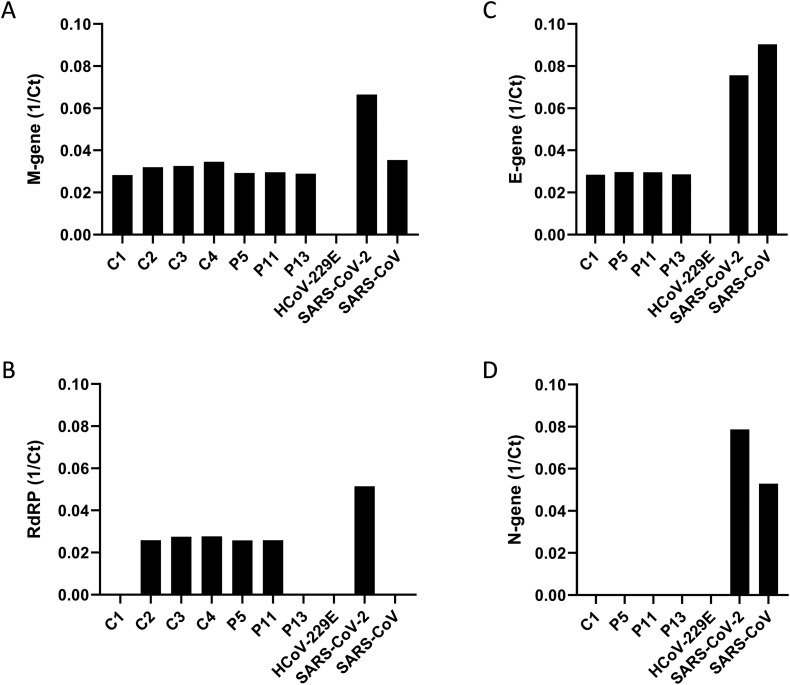
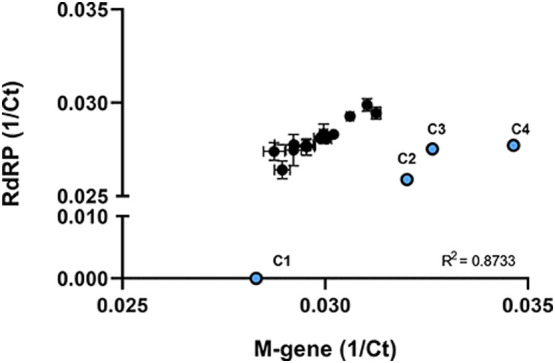
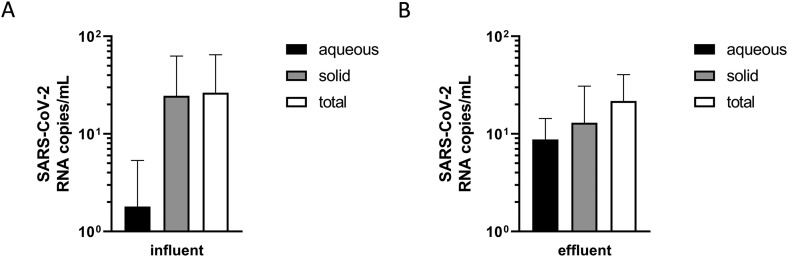
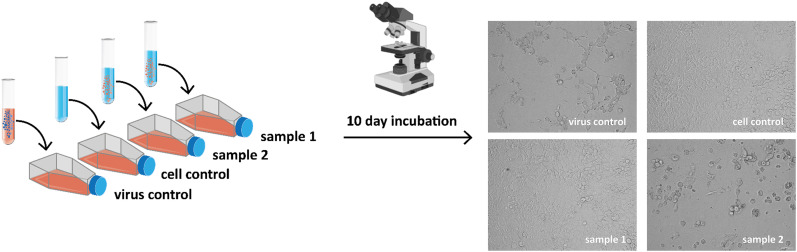
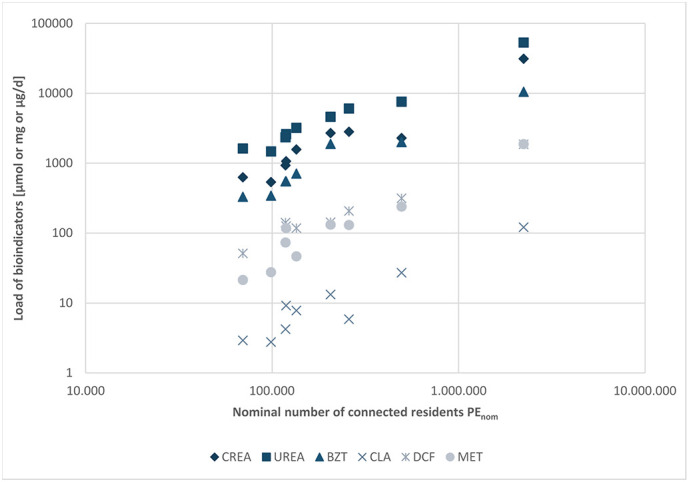
Wastewater-based monitoring of the spread of the new SARS-CoV-2 virus, also referred to as wastewater-based epidemiology (WBE), has been suggested as a tool to support epidemiology. An extensive sampling campaign, including nine municipal wastewater treatment plants, has been conducted in different cities of the Federal State of North Rhine-Westphalia (Germany) on the same day in April 2020, close to the first peak of the corona crisis. Samples were processed and analysed for a set of SARS-CoV-2-specific genes, as well as pan-genotypic gene sequences also covering other coronavirus types, using reverse transcription-quantitative polymerase chain reaction (RT-qPCR). Additionally, a comprehensive set of chemical reference parameters and bioindicators was analysed to characterize the wastewater quality and composition. Results of the RT-qPCR based gene analysis indicate the presence of SARS-CoV-2 genetic traces in different raw wastewaters. Furthermore, selected samples have been sequenced using Sanger technology to confirm the specificity of the RT-qPCR and the origin of the coronavirus. A comparison of the particle-bound and the dissolved portion of SARS-CoV-2 virus genes shows that quantifications must not neglect the solid-phase reservoir. The infectivity of the raw wastewater has also been assessed by viral outgrowth assay with a potential SARS-CoV-2 host cell line in vitro, which were not infected when exposed to the samples. This first evidence suggests that wastewater might be no major route for transmission to humans. Our findings draw attention to the need for further methodological and molecular assay validation for enveloped viruses in wastewater.
基于污水的新型严重急性呼吸系统综合征冠状病毒 2 型(SARS-CoV-2)传播监测,也被称为基于污水的流行病学(WBE),已被提议作为一种支持流行病学的工具。2020 年 4 月,在德国北莱茵-威斯特法伦州(德国联邦州)的不同城市,进行了一次广泛的采样活动,包括九座城市污水处理厂,采样时间接近新冠危机的第一个高峰。使用逆转录定量聚合酶链反应(RT-qPCR),对一组 SARS-CoV-2 特异性基因以及涵盖其他冠状病毒类型的泛基因序列的样本进行了处理和分析。此外,还分析了一套全面的化学参考参数和生物指标,以描述污水质量和组成。基于 RT-qPCR 的基因分析结果表明,不同原污水中存在 SARS-CoV-2 遗传痕迹。此外,还使用 Sanger 技术对选定的样本进行了测序,以确认 RT-qPCR 的特异性和冠状病毒的来源。对 SARS-CoV-2 病毒基因的颗粒结合部分和溶解部分进行比较表明,定量分析不能忽略固相储库。还通过体外用可能的 SARS-CoV-2 宿主细胞系进行病毒生长测定,评估了原污水的感染性,当暴露于样本时,这些细胞未被感染。这是第一个表明污水可能不是人类主要传播途径的证据。我们的研究结果引起了人们对在污水中对包膜病毒进行进一步的方法学和分子检测验证的必要性的关注。