Chongqing Key Laboratory of Medicinal Resources in the Three Gorges Reservoir Region, School of Biological and Chemical Engineering, Chongqing University of Education, Chongqing, 400067, PR China; Research Center of Brain Intellectual Promotion and Development for Children Aged 0-6 Years, Chongqing University of Education, Chongqing, 400067, PR China; Key Laboratory of Biorheological Science and Technology (Chongqing University), Ministry of Education, College of Bioengineering, Chongqing University, Chongqing, 400030, China.
Chongqing Key Laboratory of Medicinal Resources in the Three Gorges Reservoir Region, School of Biological and Chemical Engineering, Chongqing University of Education, Chongqing, 400067, PR China; Research Center of Brain Intellectual Promotion and Development for Children Aged 0-6 Years, Chongqing University of Education, Chongqing, 400067, PR China.
Redox Biol. 2020 Sep;36:101645. doi: 10.1016/j.redox.2020.101645. Epub 2020 Jul 17.
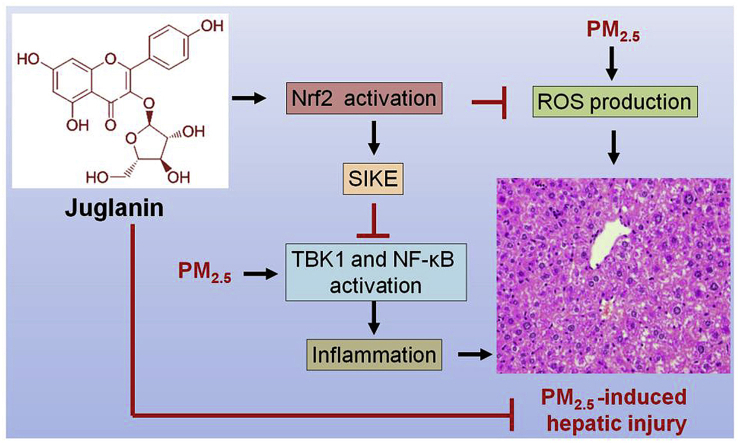
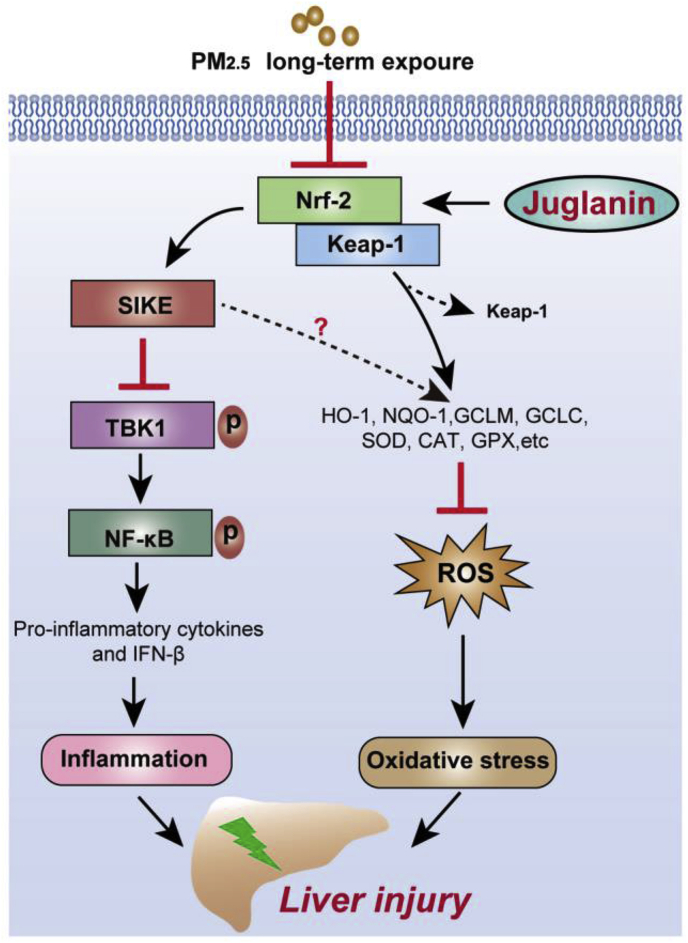
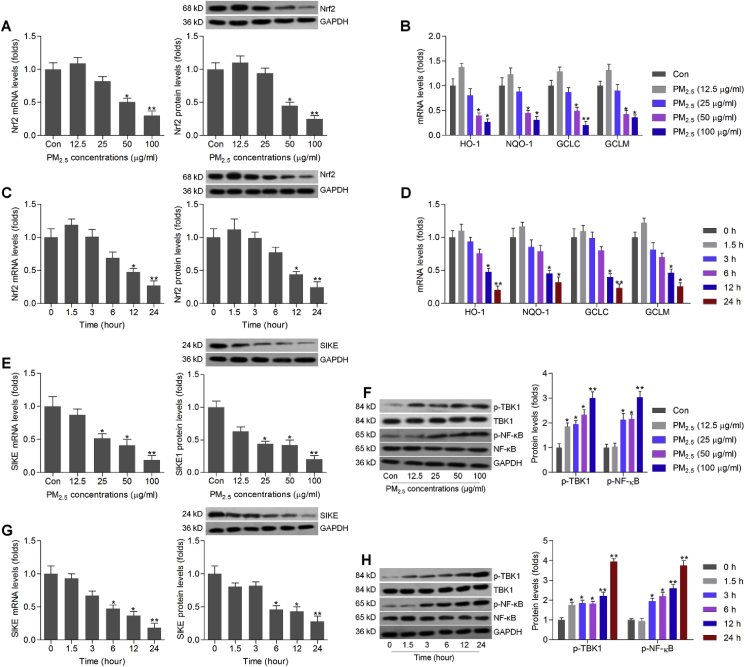
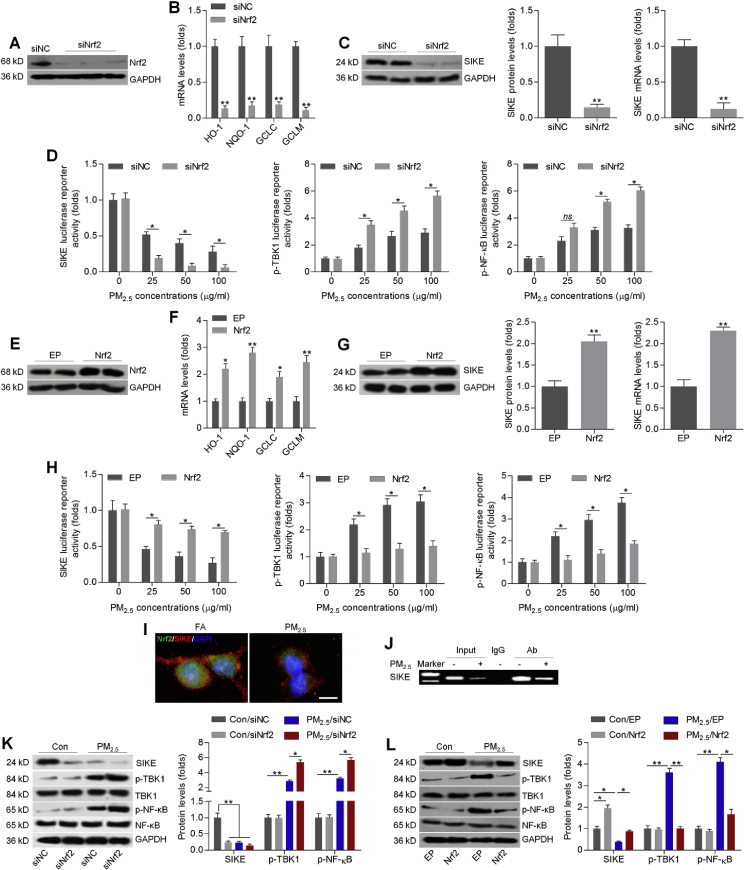
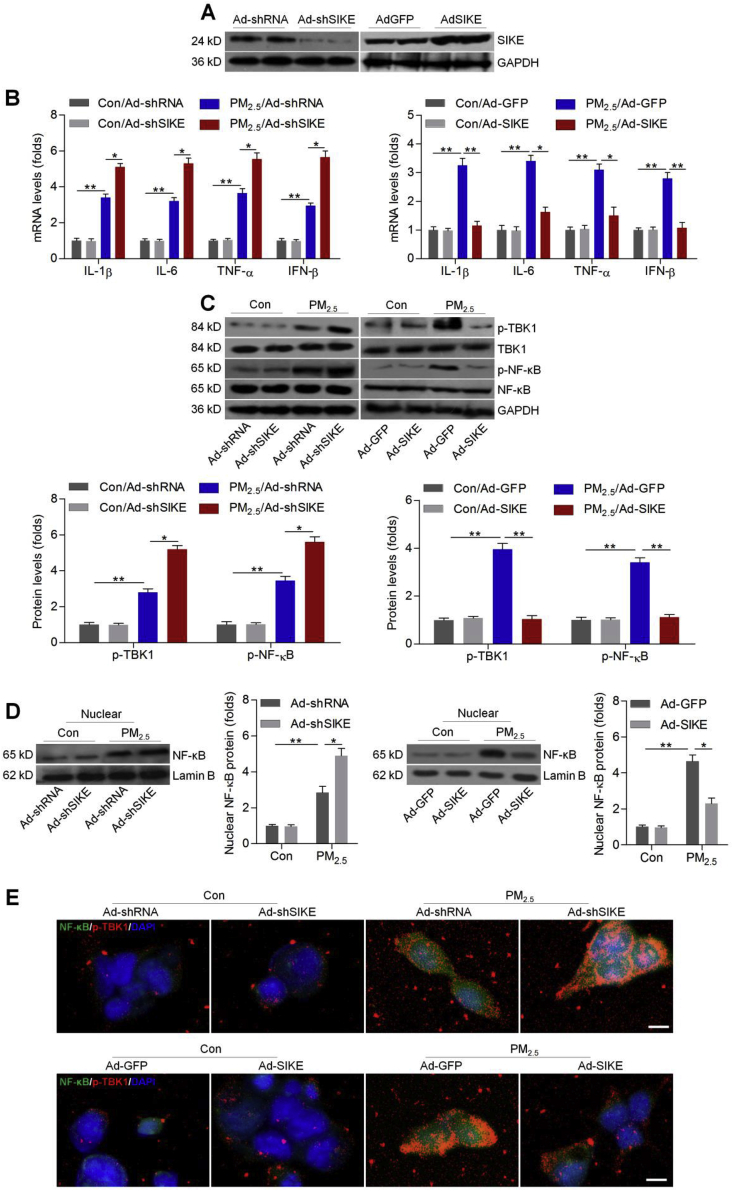
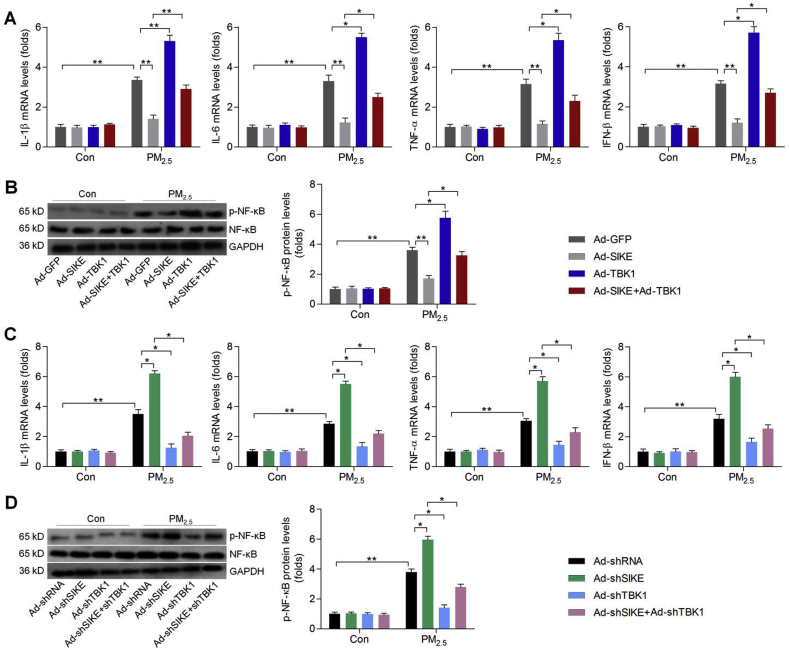
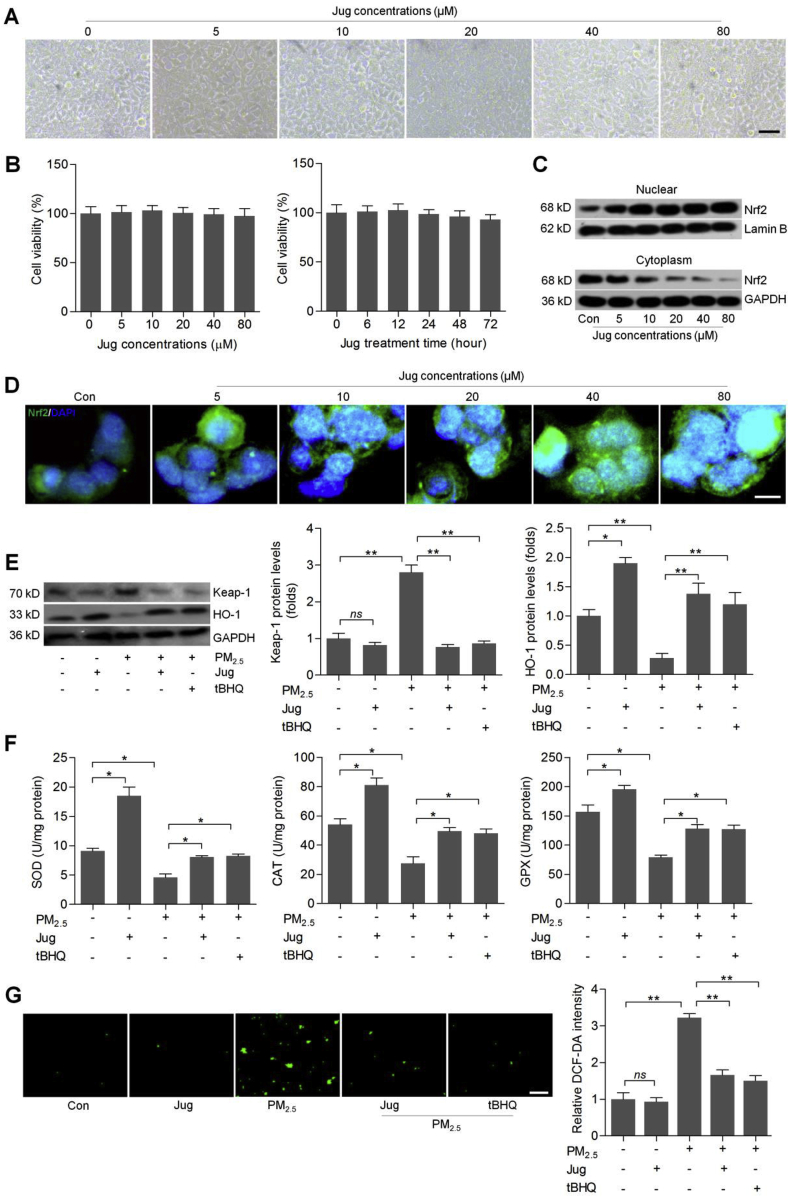
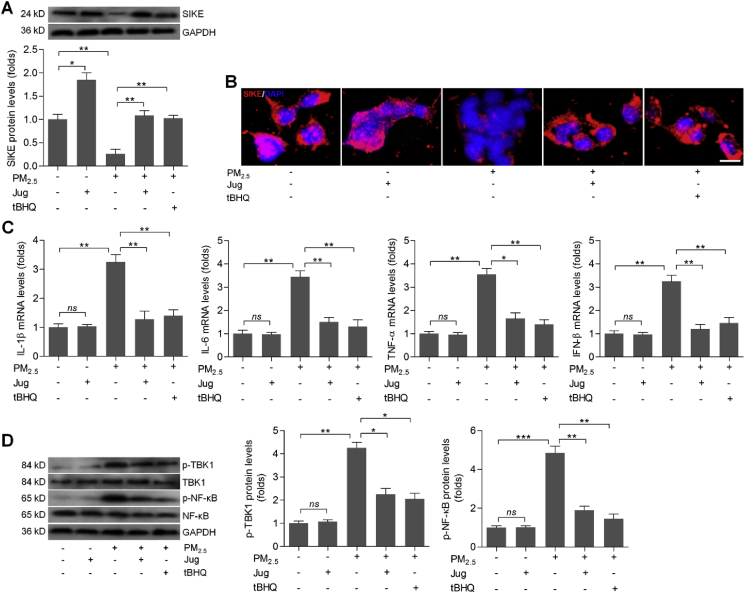
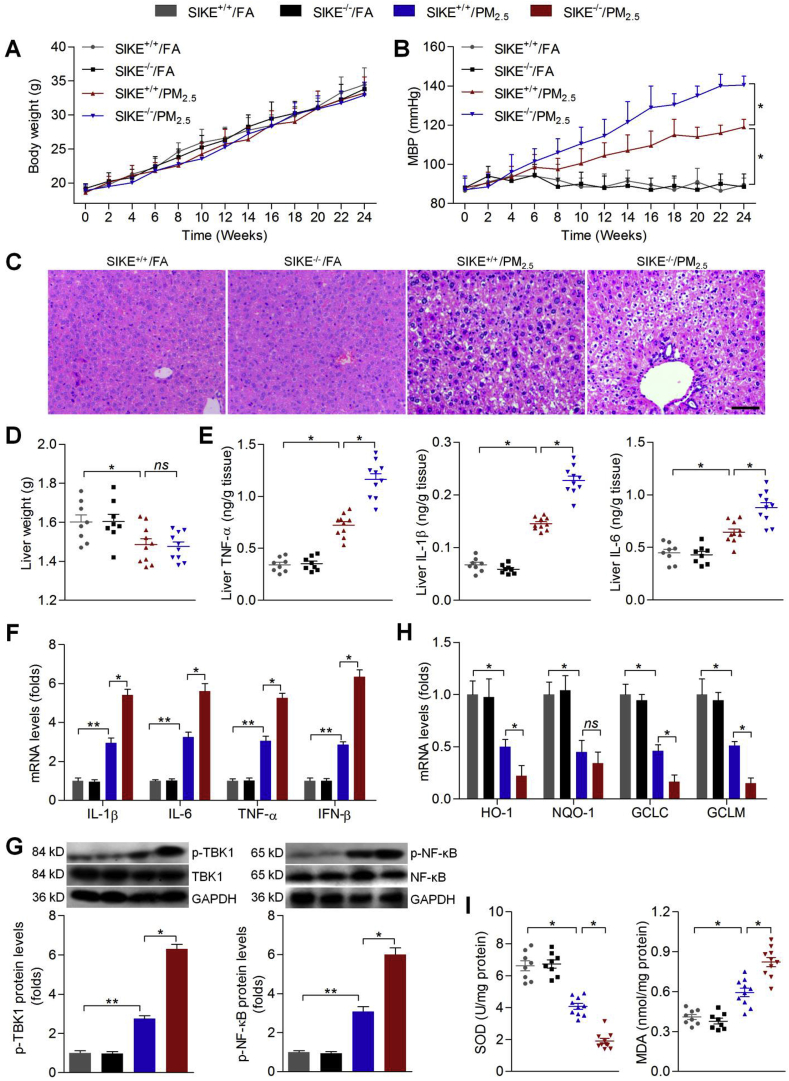
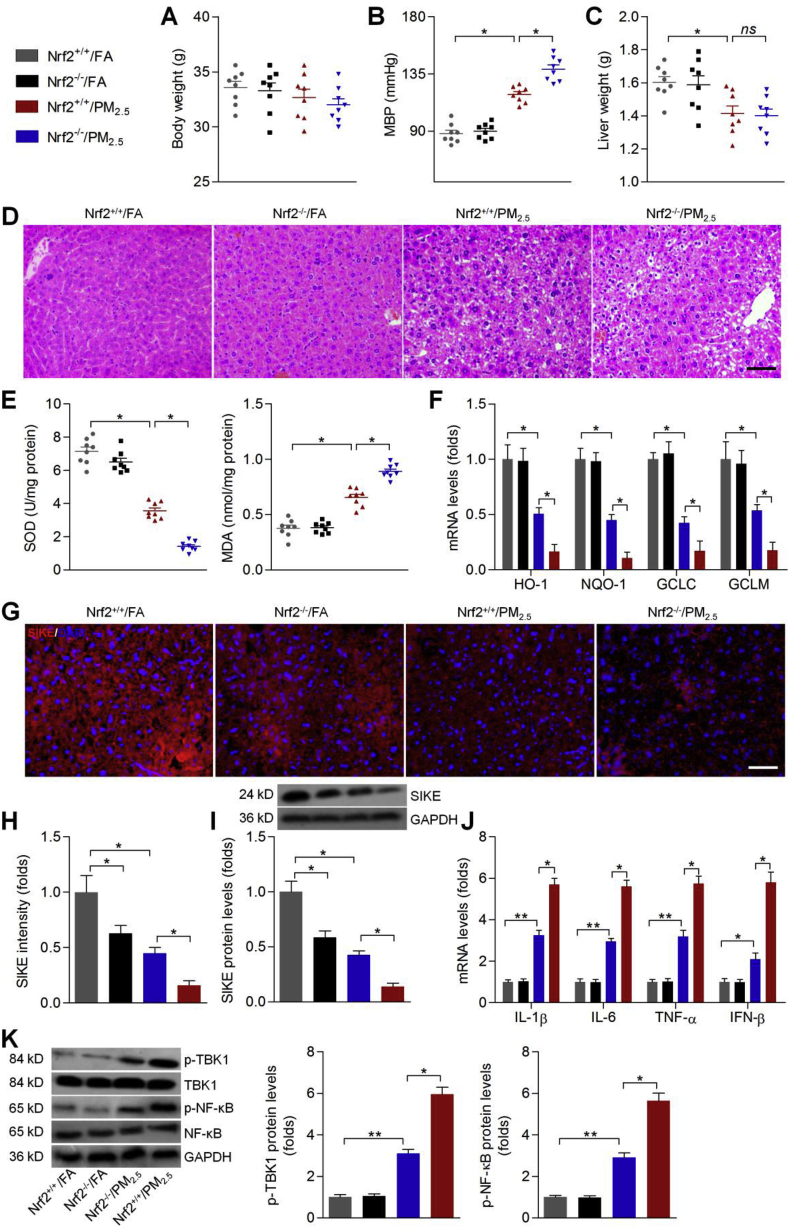
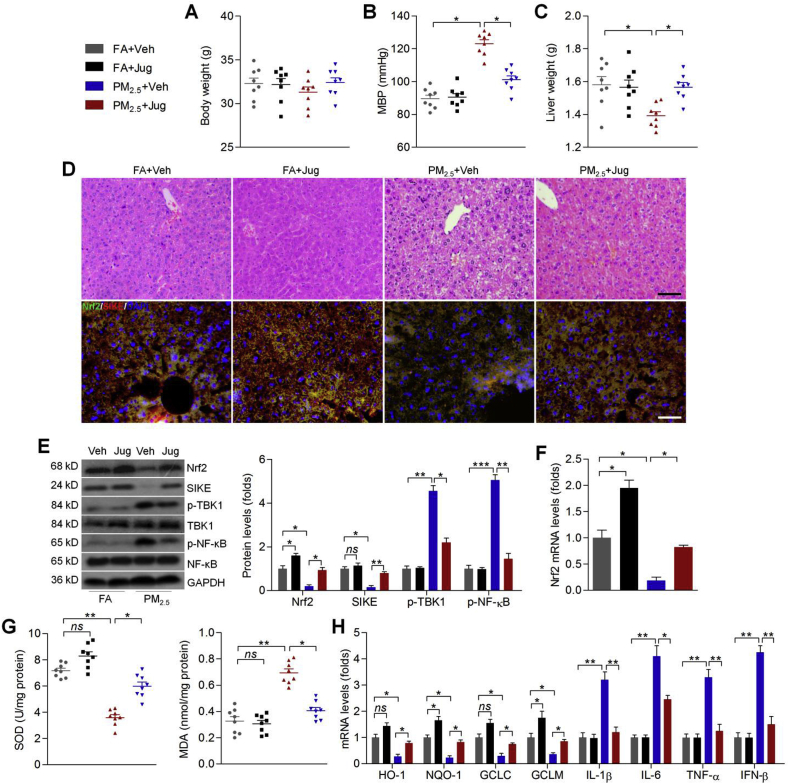
Air pollution containing particulate matter (PM) less than 2.5 μm (PM) plays an essential role in regulating hepatic disease. However, its molecular mechanism is not yet clear, lacking effective therapeutic strategies. In this study, we attempted to investigate the effects and mechanisms of PM exposure on hepatic injury by the in vitro and in vivo experiments. At first, we found that PM incubation led to a significant reduction of nuclear factor erythroid-derived 2-related factor 2 (Nrf2), along with markedly reduced expression of different anti-oxidants. Notably, suppressor of IKKε (SIKE), known as a negative regulator of the interferon pathway, was decreased in PM-incubated cells, accompanied with increased activation of TANK-binding kinase 1 (TBK1) and nuclear factor-κB (NF-κB). The in vitro studies showed that Nrf2 positively regulated SIKE expression under the conditions with or without PM. After PM treatment, Nrf2 knockdown further accelerated SIEK decrease and TBK1/NF-κB activation, and opposite results were observed in cells with Nrf2 over-expression. Subsequently, the gene loss- and gain-function analysis demonstrated that SIKE deficiency further aggravated inflammation and TBK1/NF-κB activation caused by PM, which could be abrogated by SIKE over-expression. Importantly, SIKE-alleviated inflammation was mainly dependent on TBK1 activation. The in vivo studies confirmed that SIKE- and Nrf2-knockout mice showed significantly accelerated hepatic injury after long-term PM exposure through reducing inflammatory response and oxidative stress. Juglanin (Jug), mainly isolated from Polygonum aviculare, exhibits anti-inflammatory and anti-oxidant effects. We found that Jug could increase Nrf2 activation, and then up-regulated SIKE in cells and liver tissues, mitigating PM-induced liver injury. Together, all these data demonstrated that Nrf2 might positively meditate SIKE to inhibit inflammatory and oxidative damage, ameliorating PM-induced liver injury. Jug could be considered as an effective therapeutic strategy against this disease by improving Nrf2/SIKE signaling pathway.
空气污染中的颗粒物(PM)小于 2.5μm(PM)在调节肝脏疾病方面起着重要作用。然而,其分子机制尚不清楚,缺乏有效的治疗策略。在这项研究中,我们试图通过体外和体内实验研究 PM 暴露对肝损伤的影响和机制。首先,我们发现 PM 孵育导致核因子红细胞衍生 2 相关因子 2(Nrf2)显著减少,同时不同抗氧化剂的表达明显降低。值得注意的是,抑制 IKKε(SIKE),作为干扰素途径的负调节剂,在 PM 孵育的细胞中减少,同时 TANK 结合激酶 1(TBK1)和核因子-κB(NF-κB)的激活增加。体外研究表明,在有或没有 PM 的情况下,Nrf2 正向调节 SIKE 的表达。PM 处理后,Nrf2 敲低进一步加速了 SIEK 的减少和 TBK1/NF-κB 的激活,而在 Nrf2 过表达的细胞中则观察到相反的结果。随后,基因缺失和功能获得分析表明,SIKE 缺乏进一步加剧了 PM 引起的炎症和 TBK1/NF-κB 的激活,而 SIKE 过表达则可以消除这种作用。重要的是,SIKE 减轻炎症主要依赖于 TBK1 的激活。体内研究证实,长期 PM 暴露后,SIKE 和 Nrf2 敲除小鼠的肝损伤明显加快,通过减少炎症反应和氧化应激。 Juglanin(Jug)主要从Polygonum aviculare 中分离出来,具有抗炎和抗氧化作用。我们发现 Jug 可以增加 Nrf2 的激活,然后在细胞和肝组织中上调 SIKE,减轻 PM 引起的肝损伤。综上所述,所有这些数据表明,Nrf2 可能通过正向调节 SIKE 来抑制炎症和氧化损伤,改善 PM 引起的肝损伤。通过改善 Nrf2/SIKE 信号通路,Jug 可被视为治疗这种疾病的有效策略。