Kolz Joshua M, Mitchell Scott A, Elder Benjamin D, Sebastian Arjun S, Huddleston Paul M, Freedman Brett A
4352Mayo Clinic, Rochester, MN, USA.
Global Spine J. 2022 Mar;12(2):267-277. doi: 10.1177/2192568220950332. Epub 2020 Aug 30.
Retrospective case series.
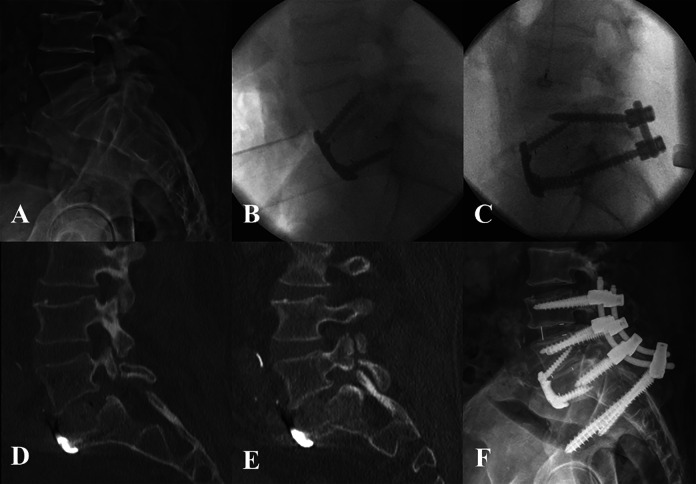
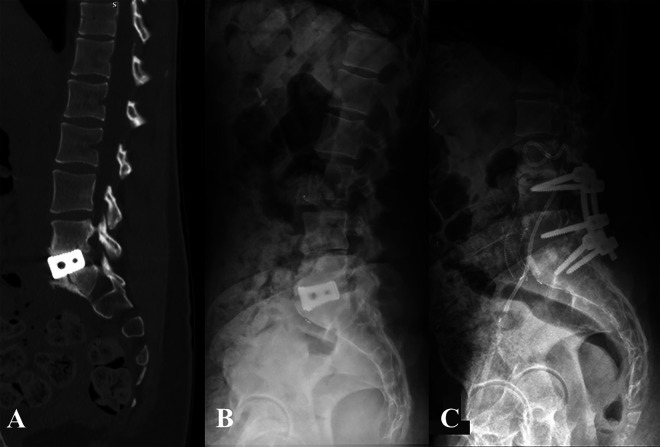
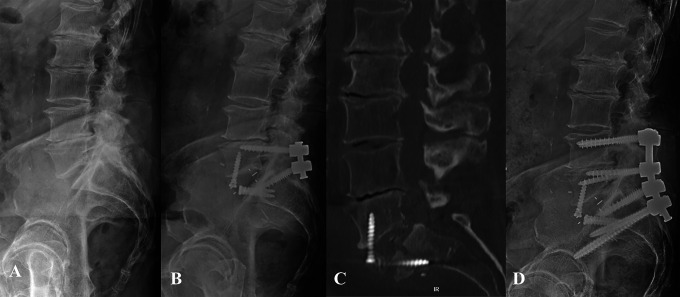
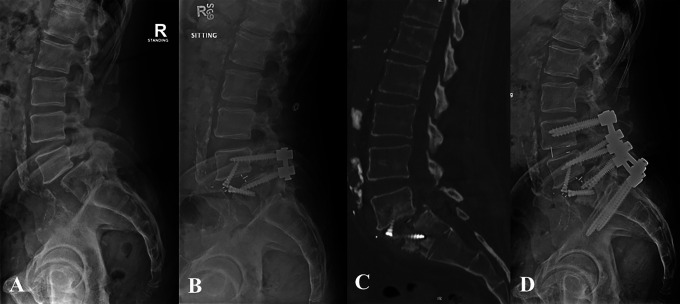
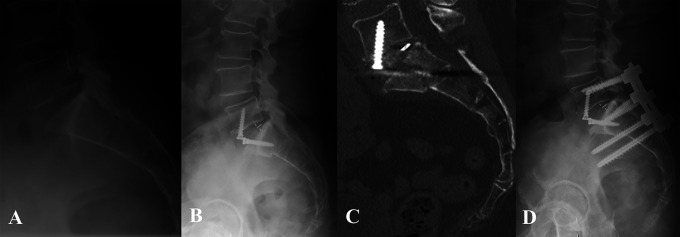
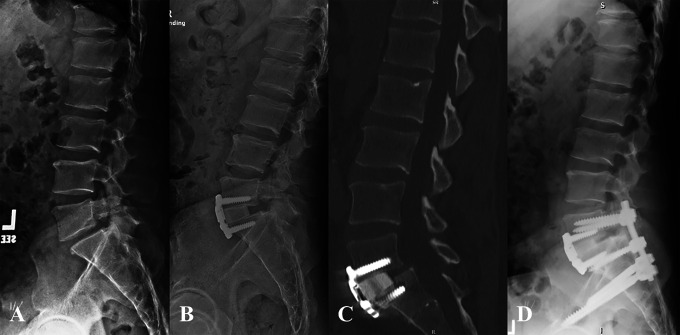
Sacral insufficiency fracture is a rare and serious complication following lumbar spine instrumented fusion. The purpose of this study was to describe the patient characteristics, presentation, evaluation, treatment options, and outcomes for patients with sacral insufficiency fracture after short-segment lumbosacral fusion.
Six patients from our institutional database and 16 patients from literature review were identified with a sacral insufficiency fracture after short-segment (L4-S1 or L5-S1) lumbar fusion within 1 year of surgery.
Patients were 55% female with a mean age of 58 years and body mass index of 30 kg/m. Osteoporosis or osteopenia was the most common comorbidity (85%). Half of patients sustained a sacral fracture after surgery from a posterior approach, while the others had anterior or anterior-posterior surgery. Mean time to fracture was 42 days with patients clinically presenting with new sacral pain (86%), radiculopathy (60%), or neurologic deficit (5%). Ultimately, 73% of patients underwent operative fixation often involving extension of the construct (75%) and fusion to the pelvis (69%). Men ( = .02) and patients with new radicular pain or neurologic deficit ( = .01) were more likely to undergo revision surgical treatment while women over 50 years of age were more likely to be treated conservatively ( = .003).
Spine surgeons should monitor for sacral insufficiency fracture as a source of new-onset pain in the postoperative period in patients with a short segment fusion to the sacrum. The recognition of this complication should prompt an assessment of bone health and management of underlying bone fragility.
回顾性病例系列研究。
骶骨不全骨折是腰椎器械融合术后一种罕见且严重的并发症。本研究的目的是描述短节段腰骶融合术后骶骨不全骨折患者的特征、临床表现、评估、治疗选择及预后。
从我们机构数据库中筛选出6例患者,并通过文献回顾确定了16例患者,这些患者均在短节段(L4-S1或L5-S1)腰椎融合术后1年内发生骶骨不全骨折。
患者中女性占55%,平均年龄58岁,体重指数为30kg/m。骨质疏松或骨质减少是最常见的合并症(85%)。一半患者经后路手术后发生骶骨骨折,其余患者接受了前路或前后路手术。骨折发生的平均时间为42天,患者临床上主要表现为新发骶骨疼痛(86%)、神经根病(60%)或神经功能缺损(5%)。最终,73%的患者接受了手术固定,通常包括延长内固定结构(75%)和融合至骨盆(69%)。男性(P = 0.02)以及出现新发神经根病或神经功能缺损的患者(P = 0.01)更有可能接受翻修手术治疗,而50岁以上的女性更有可能接受保守治疗(P = 0.003)。
脊柱外科医生应监测骶骨不全骨折,将其作为骶骨短节段融合术后患者术后新发疼痛的一个原因。认识到这一并发症应促使对骨健康进行评估并处理潜在的骨质脆弱问题。