Oral Health Cooperative Research Centre, Melbourne Dental School, Bio21 Institute, The University of Melbourne, Melbourne, Victoria, Australia
Department of Microbiology and Oral Infection, Graduate School of Biomedical Sciences, Nagasaki University, Nagasaki, Japan.
mBio. 2020 Sep 1;11(5):e01497-20. doi: 10.1128/mBio.01497-20.
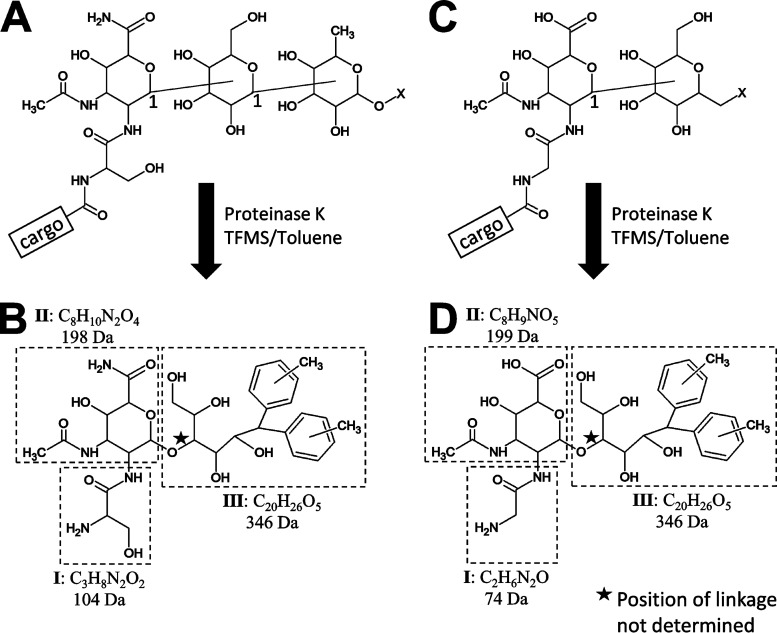
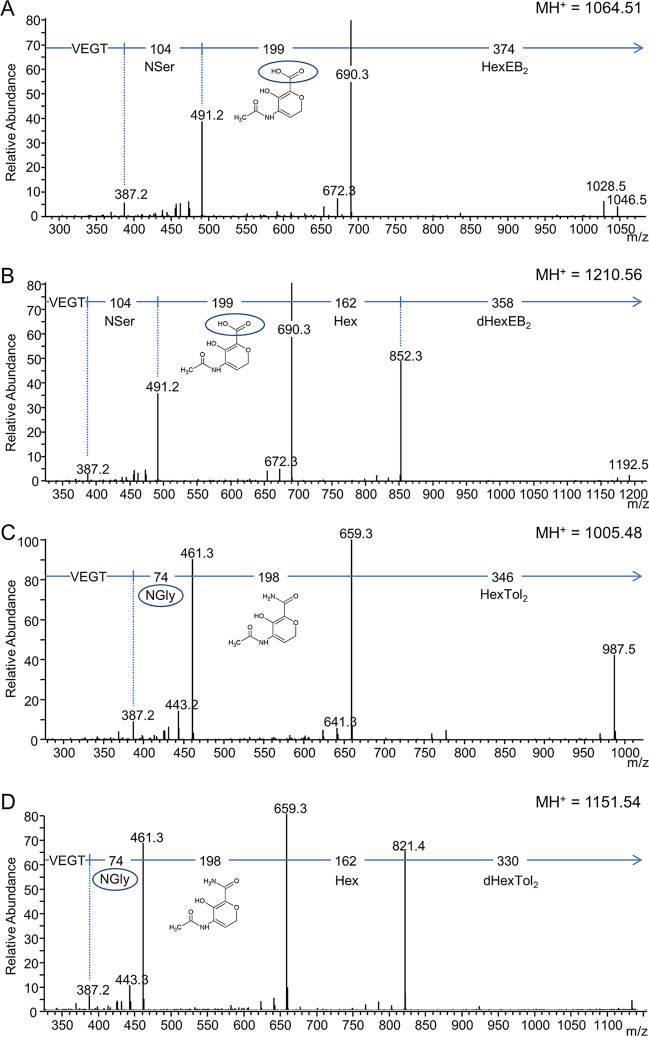
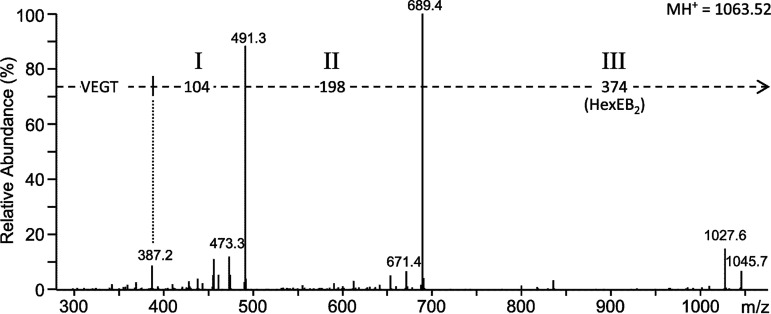
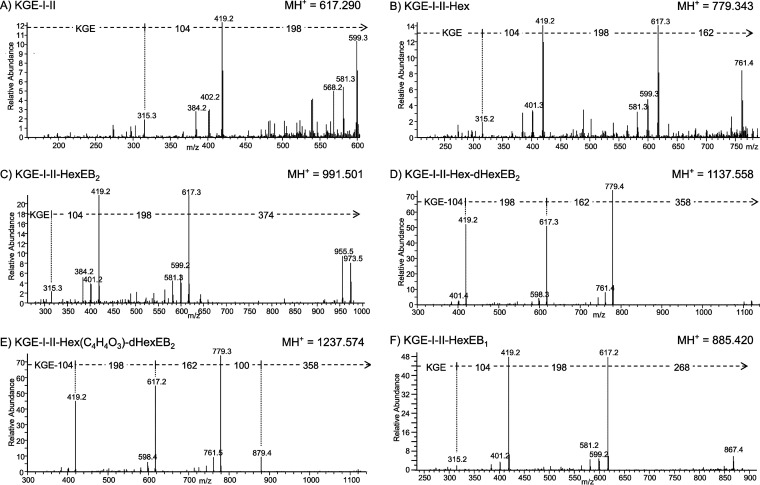
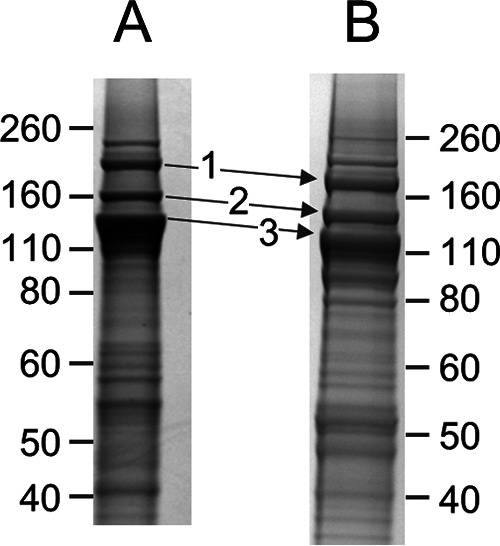
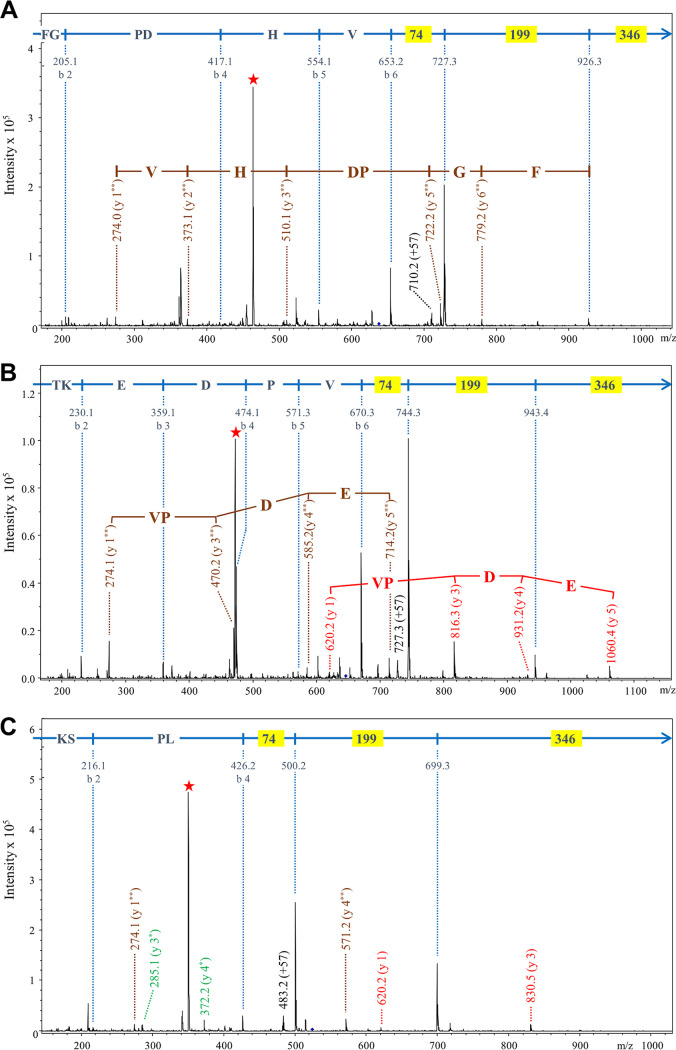
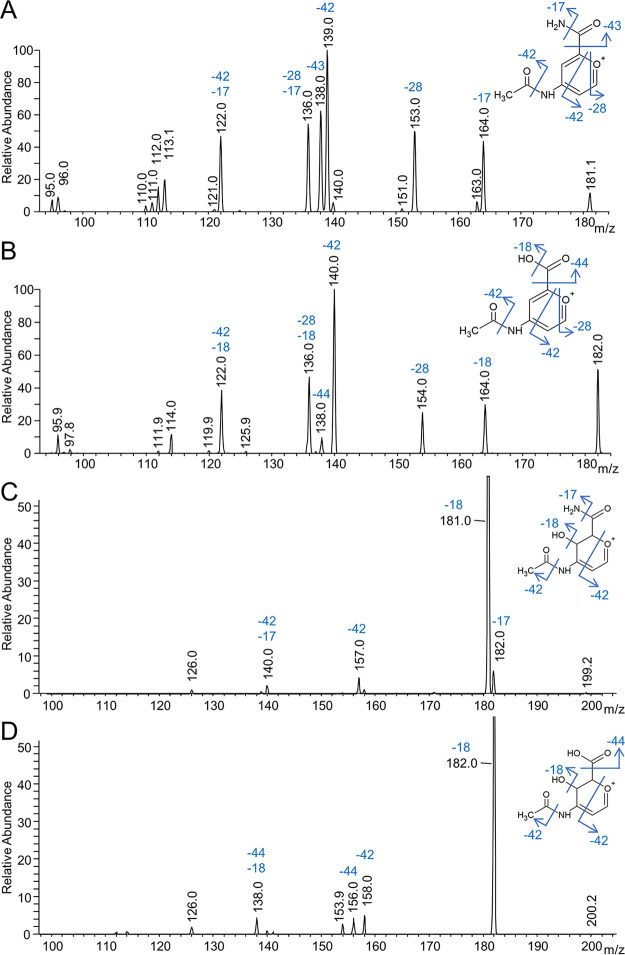
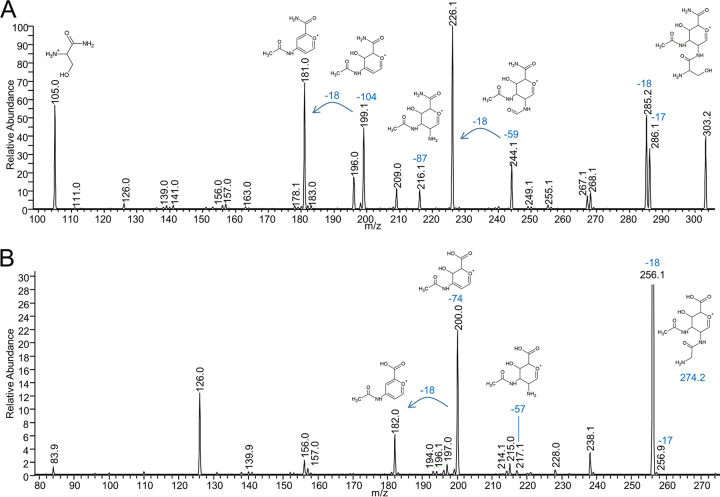
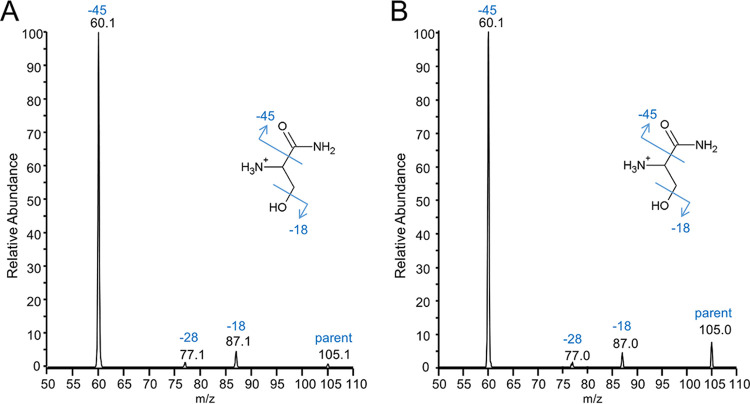
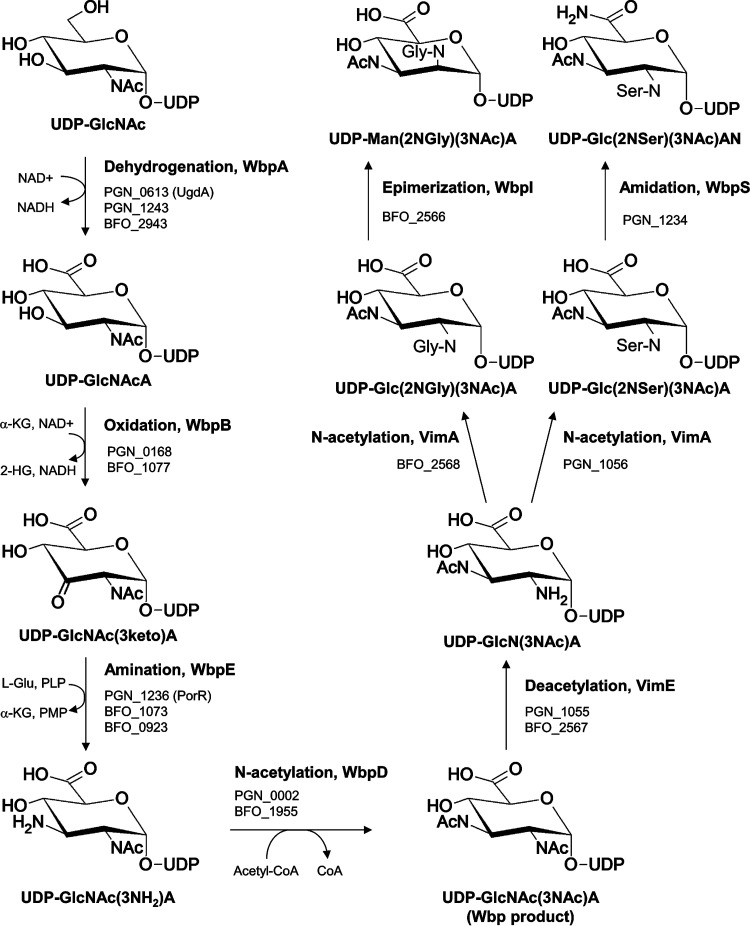
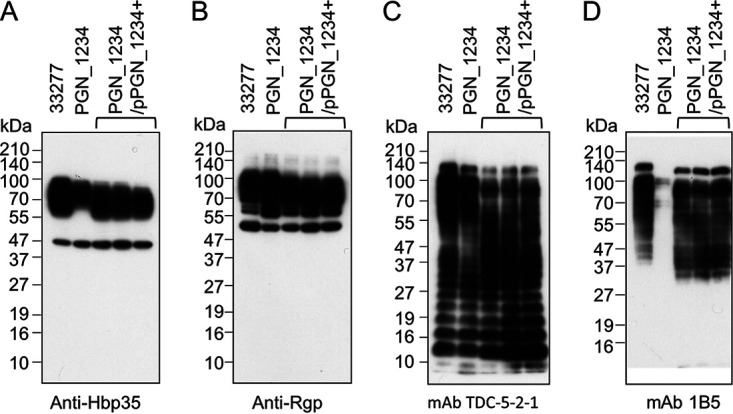
and use the type IX secretion system to secrete cargo proteins to the cell surface where they are anchored via glycolipids. In , the glycolipid is anionic lipopolysaccharide (A-LPS), of partially known structure. Modified cargo proteins were deglycosylated using trifluoromethanesulfonic acid and digested with trypsin or proteinase K. The residual modifications were then extensively analyzed by tandem mass spectrometry. The C terminus of each cargo protein was amide-bonded to a linking sugar whose structure was deduced to be 2--seryl, 3--acetylglucuronamide in and 2--glycyl, 3--acetylmannuronic acid in The structures indicated the involvement of the Wbp pathway to produce 2,3-di--acetylglucuronic acid and a WbpS amidotransferase to produce the uronamide form of this sugar in The gene was identified as PGN_1234 as its deletion resulted in the inability to produce the uronamide. In addition, the mutant which lacks A-LPS was successfully complemented by the gene; however, the linking sugar was altered to include glycine rather than serine. After removal of the acetyl group at C-2 by the putative deacetylase, VimE, VimA presumably transfers the amino acid to complete the biosynthesis. The data explain all the enzyme activities required for the biosynthesis of the linking sugar accounting for six A-LPS-specific genes. The linking sugar is therefore the key compound that enables the attachment of cargo proteins in and We propose to designate this novel linking sugar biosynthetic pathway the Wbp/Vim pathway. and , two pathogens associated with severe gum disease, use the type IX secretion system (T9SS) to secrete and attach toxic arrays of virulence factor proteins to their cell surfaces. The proteins are tethered to the outer membrane via glycolipid anchors that have remained unidentified for more than 2 decades. In this study, the first sugar molecules (linking sugars) in these anchors are identified and found to be novel compounds. The novel biosynthetic pathway of these linking sugars is also elucidated. A diverse range of bacteria that do not have the T9SS were found to have the genes for this pathway, suggesting that they may synthesize similar linking sugars for utilization in different systems. Since the cell surface attachment of virulence factors is essential for virulence, these findings reveal new targets for the development of novel therapies.
并利用九型分泌系统将货物蛋白分泌到细胞表面,通过糖脂将其锚定。在,糖脂是阴离子脂多糖(A-LPS),部分结构已知。使用三氟甲磺酸对修饰的货物蛋白进行去糖基化,并用胰蛋白酶或蛋白酶 K 进行消化。然后通过串联质谱法对剩余的修饰物进行广泛分析。每个货物蛋白的 C 末端与连接糖酰胺键合,其结构推断为在和中为 2--丝氨酸、3--乙酰葡萄糖胺,在中为 2--甘氨酸、3--乙酰甘露酸。这些结构表明 Wbp 途径参与产生 2,3--二--乙酰葡萄糖酸和 WbpS 氨酰转移酶以产生该糖的尿酰胺形式。基因被鉴定为 PGN_1234,因为其缺失导致无法产生尿酰胺。此外,缺乏 A-LPS 的突变体可以被基因成功互补;然而,连接糖被改变为包括甘氨酸而不是丝氨酸。在假定的脱乙酰酶 VimE 去除 C-2 上的乙酰基后,VimA 大概将氨基酸转移完成生物合成。数据解释了生物合成连接糖所需的所有酶活性,这些活性涉及六个 A-LPS 特异性基因。因此,连接糖是使货物蛋白在和中附着的关键化合物。我们提议将这个新的连接糖生物合成途径命名为 Wbp/Vim 途径。和,两种与严重牙龈疾病相关的病原体,利用九型分泌系统(T9SS)将毒性因子蛋白阵列分泌并附着在其细胞表面。这些蛋白通过糖脂锚定与外膜连接,这些锚定物已经有 20 多年没有被识别了。在这项研究中,首次鉴定了这些锚定物中的第一个糖分子(连接糖),并发现它们是新的化合物。还阐明了这些连接糖的新生物合成途径。发现许多没有 T9SS 的细菌都具有该途径的基因,这表明它们可能为在不同系统中的利用而合成类似的连接糖。由于细胞表面附着的毒力因子对于毒力至关重要,这些发现为开发新疗法提供了新的靶点。