York Structural Biology Lab, Department of Chemistry, University of York, Heslington Road, York, YO10 5DD, UK.
Department of Biology, University of York, York, YO10 5DD, UK.
Chembiochem. 2021 Feb 15;22(4):613-629. doi: 10.1002/cbic.202000406. Epub 2020 Nov 2.
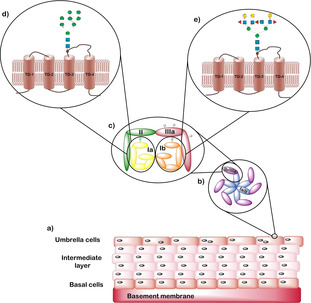
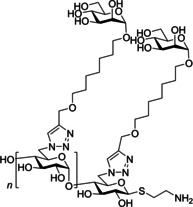
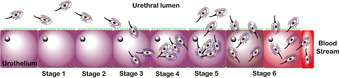
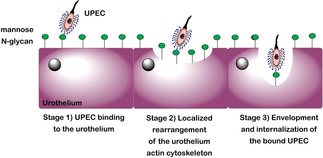
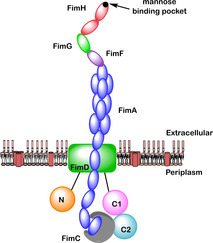
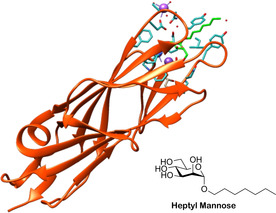
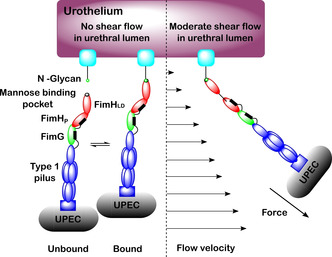
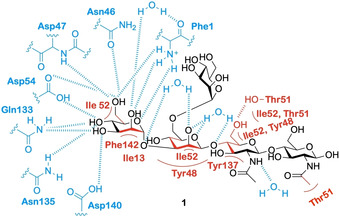
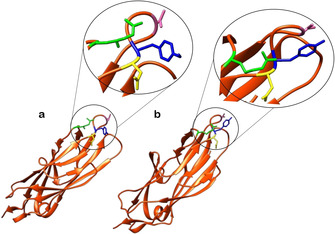
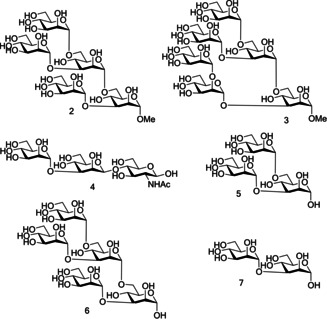
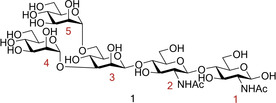
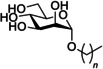
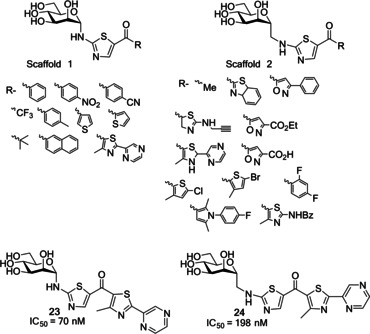
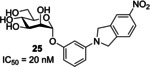
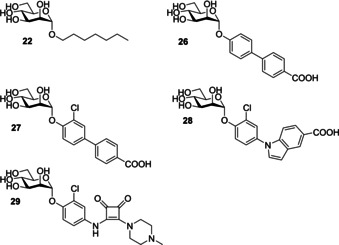
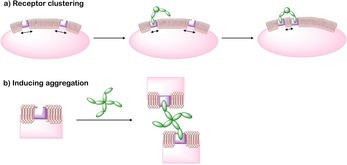
During their lifetime almost half of women will experience a symptomatic urinary tract infection (UTI) with a further half experiencing a relapse within six months. Currently UTIs are treated with antibiotics, but increasing antibiotic resistance rates highlight the need for new treatments. Uropathogenic Escherichia coli (UPEC) is responsible for the majority of symptomatic UTI cases and thus has become a key pathological target. Adhesion of type one pilus subunit FimH at the surface of UPEC strains to mannose-saturated oligosaccharides located on the urothelium is critical to pathogenesis. Since the identification of FimH as a therapeutic target in the late 1980s, a substantial body of research has been generated focusing on the development of FimH-targeting mannose-based anti-adhesion therapies. In this review we will discuss the design of different classes of these mannose-based compounds and their utility and potential as UPEC therapeutics.
在其一生中,近一半的女性将经历有症状的尿路感染(UTI),其中一半将在六个月内复发。目前,UTI 采用抗生素治疗,但抗生素耐药率的增加凸显了新治疗方法的必要性。尿路致病性大肠杆菌(UPEC)是大多数有症状 UTI 病例的原因,因此已成为一个关键的病理靶点。UPEC 菌株表面的第一型菌毛亚基 FimH 与位于尿路上皮的甘露糖饱和寡糖结合,对发病机制至关重要。自 20 世纪 80 年代后期将 FimH 鉴定为治疗靶点以来,已经产生了大量研究,重点是开发针对 FimH 的基于甘露糖的抗黏附治疗方法。在这篇综述中,我们将讨论不同类别的基于甘露糖的化合物的设计及其作为 UPEC 治疗剂的实用性和潜力。