Department of Radiology, Shengjing Hospital of China Medical University, 36 Sanhao Street, Heping District, Shenyang, 110004, Liaoning, China.
Mol Cancer. 2020 Sep 2;19(1):135. doi: 10.1186/s12943-020-01255-w.
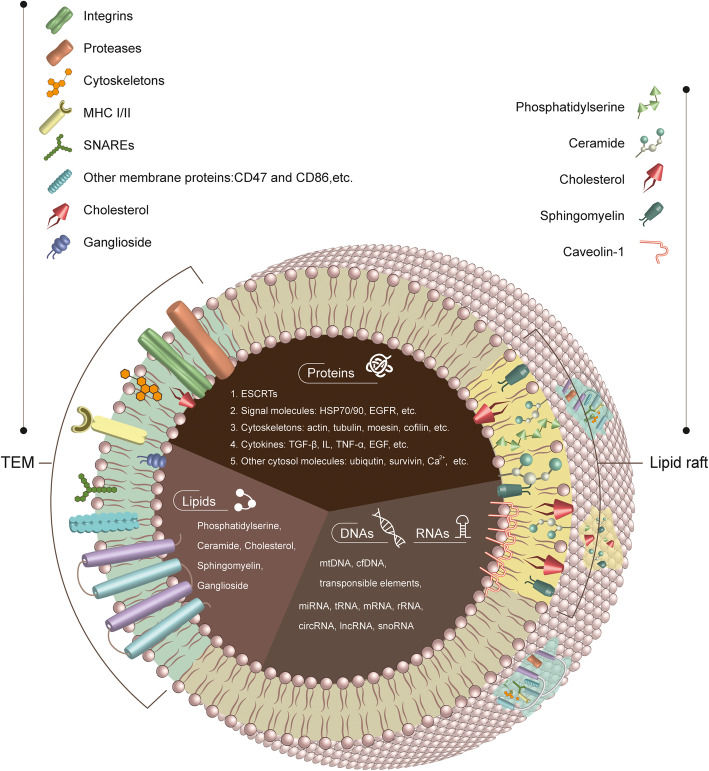
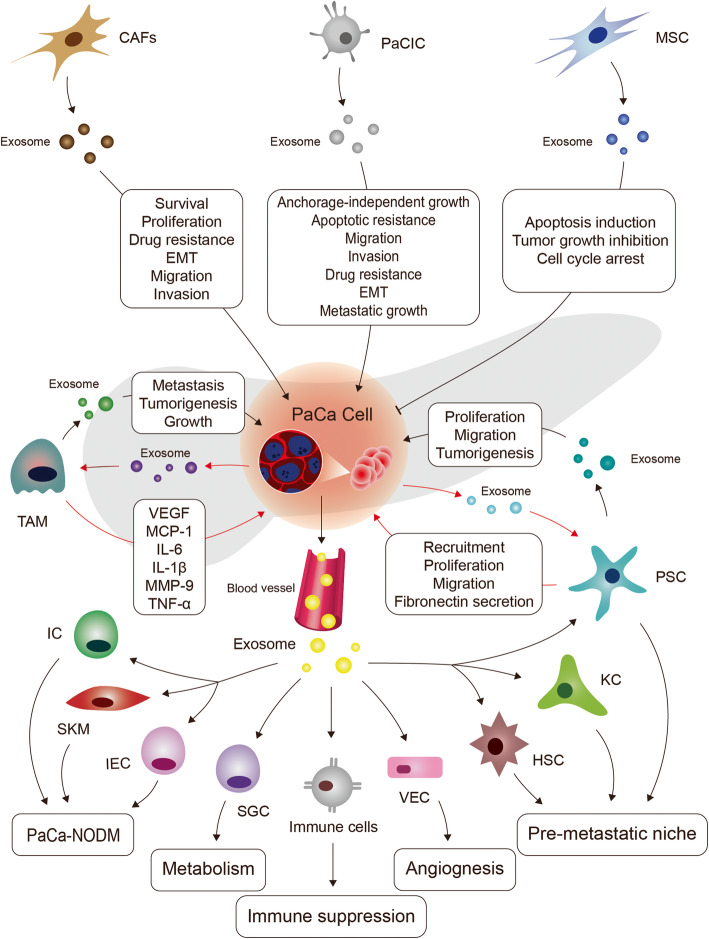
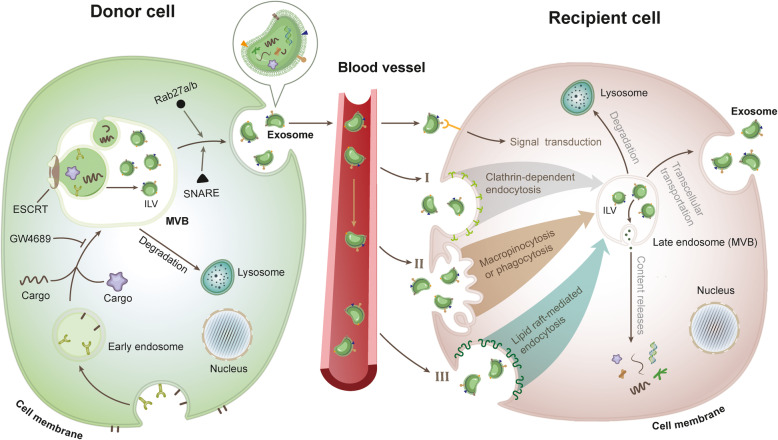
Pancreatic cancer (PaCa) is an insidious and highly metastatic malignancy, with a 5-year survival rate of less than 5%. So far, the pathogenesis and progression mechanisms of PaCa have been poorly characterized. Exosomes correspond to a class of extracellular nanovesicles, produced by a broad range of human somatic and cancerous cells. These particular nanovesicles are mainly composed by proteins, genetic substances and lipids, which mediate signal transduction and material transport. A large number of studies have indicated that exosomes may play decisive roles in the occurrence and metastatic progression of PaCa. This article summarizes the specific functions of exosomes and their underlying molecular mechanisms in mediating the initiation and metastatic capability of PaCa.
胰腺癌(PaCa)是一种隐匿性和高度转移性的恶性肿瘤,其 5 年生存率低于 5%。到目前为止,PaCa 的发病机制和进展机制尚未得到充分阐明。外泌体是一类由广泛的人体体细胞和癌细胞产生的细胞外纳米囊泡。这些特殊的纳米囊泡主要由蛋白质、遗传物质和脂质组成,它们介导信号转导和物质运输。大量研究表明,外泌体可能在 PaCa 的发生和转移进展中起决定性作用。本文总结了外泌体在介导 PaCa 发生和转移能力中的特定功能及其潜在的分子机制。