Neuroimmunology Group, Functional and Systems Neurobiology Department, Instituto Cajal, CSIC , Madrid, Spain.
Red Española de Esclerosis Múltiple (REEM).
Gut Microbes. 2020 Nov 9;12(1):1813532. doi: 10.1080/19490976.2020.1813532.
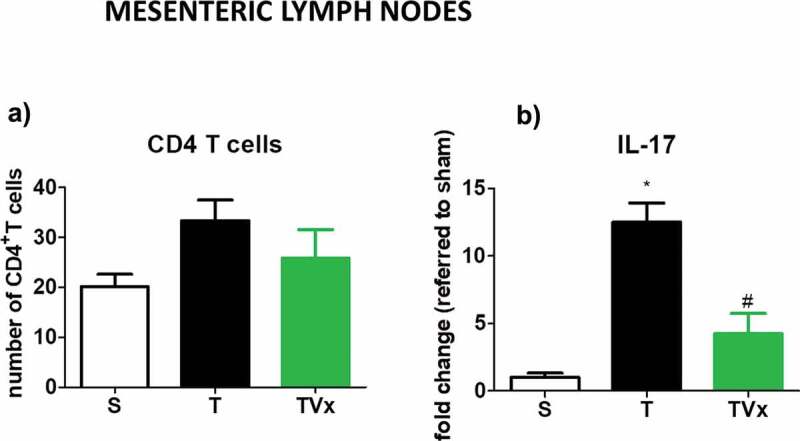
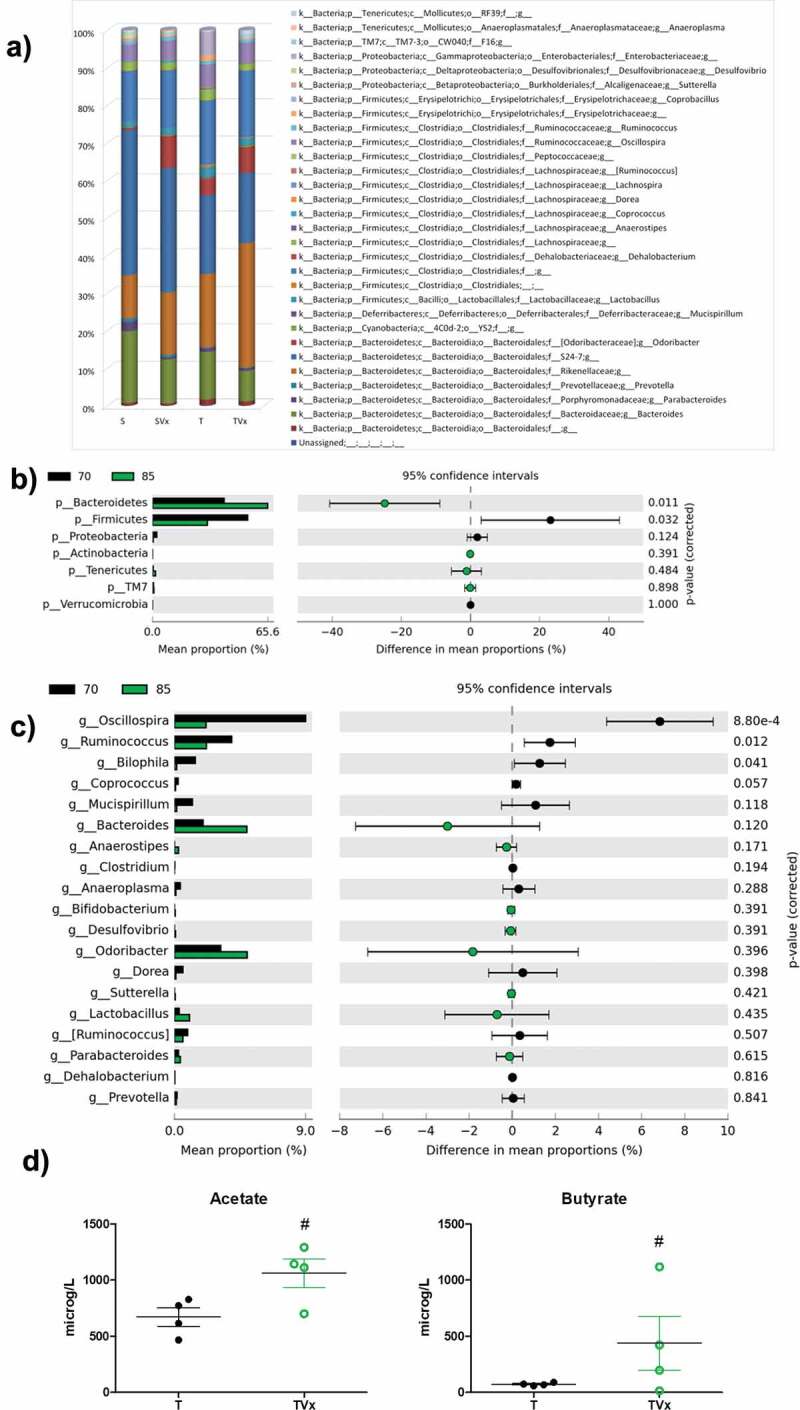
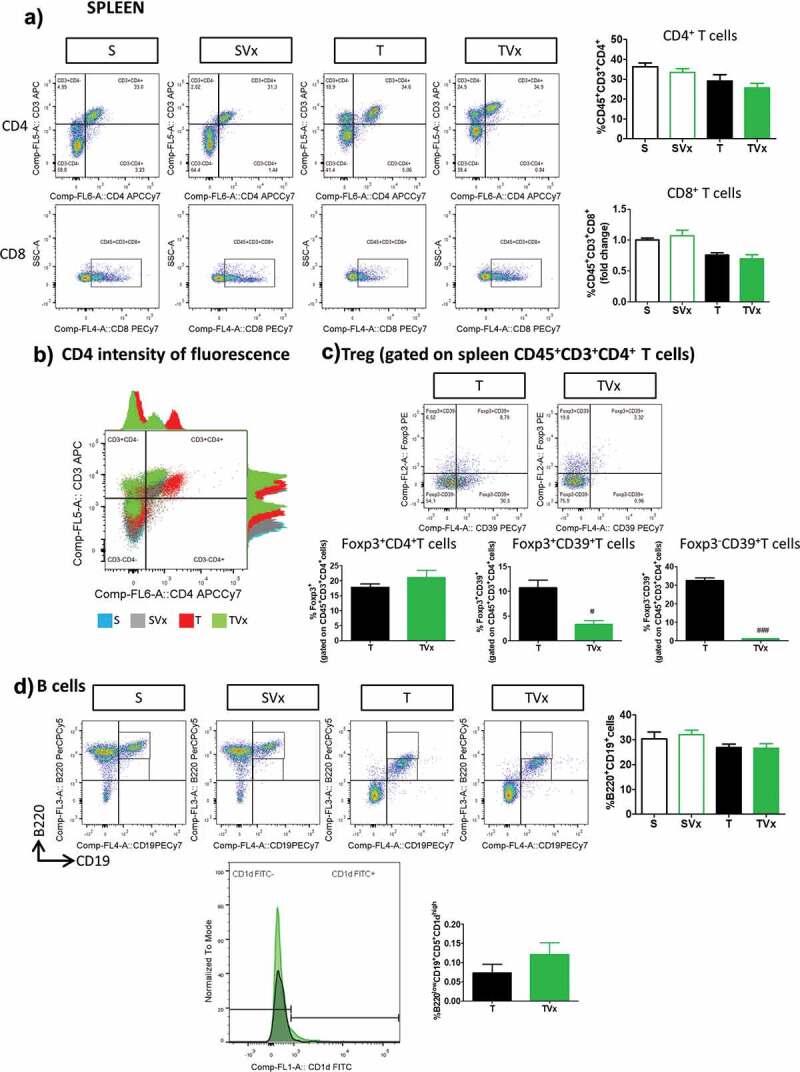
A growing number of studies support that the bidirectional interactions between the gut microbiota, the immune system and the CNS are relevant for the pathophysiology of MS. Several studies have reported alterations in the gut microbiome of MS patients. In addition, a variety of studies in animal models of MS have suggested that specific members of the gut commensal microbiota can exacerbate or ameliorate neuroinflammation. Probiotics represent oral nontoxic immunomodulatory agents that would exert benefits when using in combination with current MS therapy. Here we investigate the effect of Vivomixx on the gut microbiome and central and peripheral immune responses in a murine model of primary progressive MS. Vivomixx administration was associated with increased abundance of many taxa such as and . This was accompanied by a clear improvement of the motor disability of Theiler's virus infected mice; in the CNS Vivomixx reduced microgliosis, astrogliosis and leukocyte infiltration. Notably, the presence of Breg cells (CD19CD5CD1d) in the CNS was enhanced by Vivomixx, and while spinal cord gene expression of IL-1β and IL-6 was diminished, the probiotic promoted IL-10 gene expression. One of the most significant findings was the increased plasma levels of butyrate and acetate levels in TMEV-mice that received Vivomixx. Peripheral immunological changes were subtle but interestingly, the probiotic restricted IL-17 production by Th17-polarized CD4 T-cells purified from the mesenteric lymph nodes of Theiler's virus infected mice. Our data reinforce the beneficial effects of oral probiotics that would be coadjuvant treatments to current MS therapies.
越来越多的研究支持肠道微生物群、免疫系统和中枢神经系统之间的双向相互作用与多发性硬化症的病理生理学有关。多项研究报告了多发性硬化症患者肠道微生物组的改变。此外,多发性硬化症动物模型的各种研究表明,肠道共生微生物群的特定成员可以加重或改善神经炎症。益生菌是口服非毒性免疫调节剂,与目前的多发性硬化症治疗联合使用时会带来益处。在这里,我们研究了 Vivomixx 在原发性进行性多发性硬化症小鼠模型中对肠道微生物群以及中枢和外周免疫反应的影响。Vivomixx 的给药与许多分类群(如 和 )的丰度增加有关。这伴随着 Theiler 病毒感染小鼠运动功能障碍的明显改善;在中枢神经系统中,Vivomixx 减少了小胶质细胞增生、星形胶质细胞增生和白细胞浸润。值得注意的是,Breg 细胞(CD19CD5CD1d)在中枢神经系统中的存在被 Vivomixx 增强,虽然脊髓中 IL-1β 和 IL-6 的基因表达减少,但益生菌促进了 IL-10 的基因表达。最显著的发现之一是接受 Vivomixx 的 TMEV 小鼠血浆中丁酸盐和乙酸盐水平的增加。外周免疫变化很细微,但有趣的是,益生菌限制了从 Theiler 病毒感染小鼠肠系膜淋巴结中纯化的 Th17 极化 CD4 T 细胞产生的 IL-17。我们的数据加强了口服益生菌的有益作用,这将是对当前多发性硬化症治疗的辅助治疗。