Kraeuter Ann-Katrin, Phillips Riana, Sarnyai Zoltán
Laboratory of Psychiatric Neuroscience, Centre for Molecular Therapeutics, James Cook University, Townsville, QLD, Australia.
Australian Institute of Tropical Health and Medicine, James Cook University, Townsville, QLD, Australia.
Front Psychiatry. 2020 Aug 11;11:799. doi: 10.3389/fpsyt.2020.00799. eCollection 2020.
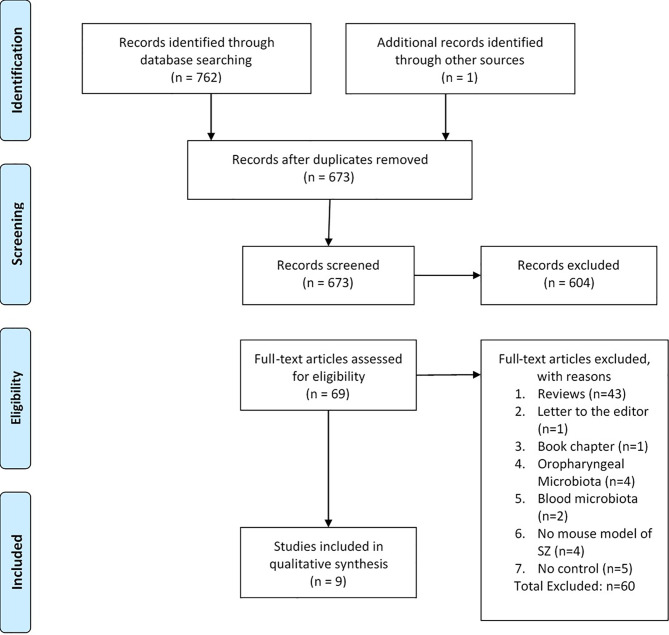
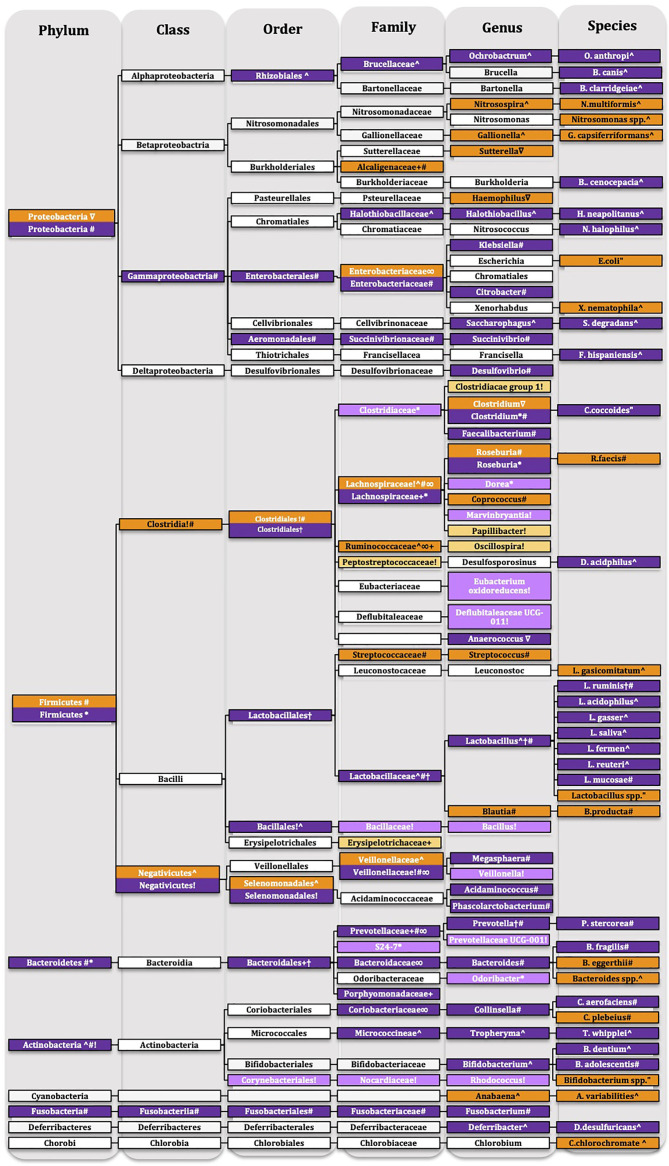
The gut microbiome is rapidly becoming the focus of interest as a possible factor involved in the pathophysiology of neuropsychiatric disorders. Recent understanding of the pathophysiology of schizophrenia emphasizes the role of systemic components, including immune/inflammatory and metabolic processes, which are influenced by and interacting with the gut microbiome. Here we systematically review the current literature on the gut microbiome in schizophrenia-spectrum disorders and in their animal models. We found that the gut microbiome is altered in psychosis compared to healthy controls. Furthermore, we identified potential factors related to psychosis, which may contribute to the gut microbiome alterations. However, further research is needed to establish the disease-specificity and potential causal relationships between changes of the microbiome and disease pathophysiology. This can open up the possibility of. manipulating the gut microbiome for improved symptom control and for the development of novel therapeutic approaches in schizophrenia and related psychotic disorders.
肠道微生物群正迅速成为人们关注的焦点,因为它可能是参与神经精神疾病病理生理学的一个因素。最近对精神分裂症病理生理学的认识强调了包括免疫/炎症和代谢过程在内的全身成分的作用,这些过程受肠道微生物群的影响并与之相互作用。在这里,我们系统地回顾了关于精神分裂症谱系障碍及其动物模型中肠道微生物群的当前文献。我们发现,与健康对照相比,精神病患者的肠道微生物群发生了改变。此外,我们确定了与精神病相关的潜在因素,这些因素可能导致肠道微生物群的改变。然而,需要进一步的研究来确定微生物群变化与疾病病理生理学之间的疾病特异性和潜在因果关系。这可能为通过操纵肠道微生物群来改善症状控制以及开发精神分裂症和相关精神病性障碍的新治疗方法开辟可能性。