Ranganathan Rajiv, Lee Mei-Hua, Newell Karl M
Department of Kinesiology, Michigan State University, East Lansing, MI, United States.
Department of Kinesiology, University of Georgia, Athens, GA, United States.
Front Psychol. 2020 Aug 13;11:2018. doi: 10.3389/fpsyg.2020.02018. eCollection 2020.
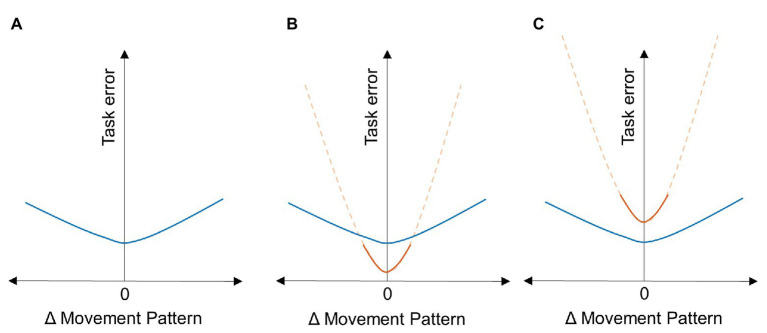
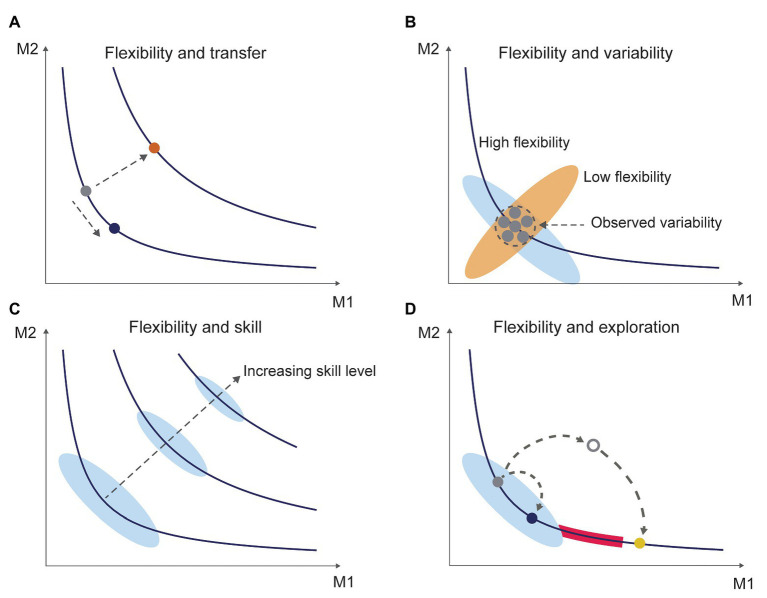
A hallmark of skilled motor performance is behavioral flexibility - i.e., experts can not only produce a movement pattern to reliably and efficiently achieve a given task outcome, but also possess the ability to change that movement pattern to fit a new context. In this perspective article, we briefly highlight the factors that are critical to understanding behavioral flexibility, and its connection to movement variability, stability, and learning. We then address how practice strategies should be developed from a motor learning standpoint to enhance behavioral flexibility. Finally, we highlight some important future avenues of work that are needed to advance our understanding of behavioral flexibility. We use examples from sport as a context to highlight these issues, especially in regard to elite performance and development.
熟练运动表现的一个标志是行为灵活性——也就是说,专家不仅能够产生一种运动模式来可靠且高效地实现给定的任务结果,还具备改变该运动模式以适应新情境的能力。在这篇观点文章中,我们简要强调了对于理解行为灵活性及其与运动变异性、稳定性和学习之间的联系至关重要的因素。然后我们探讨了应如何从运动学习的角度制定练习策略以增强行为灵活性。最后,我们强调了一些推进我们对行为灵活性理解所需的重要未来研究方向。我们以体育领域的例子为背景来突出这些问题,特别是在精英表现和发展方面。