Kadlec Daniel, Miller-Dicks Matt, Nimphius Sophia
School of Medical and Health Sciences, Centre for Human Performance, Edith Cowan University, 270 Joondalup Drive, Joondalup, WA, 6027, Australia.
School of Sport, Health Exercise Science, University of Portsmouth, Portsmouth, UK.
Sports Med Open. 2023 Apr 5;9(1):22. doi: 10.1186/s40798-023-00566-8.
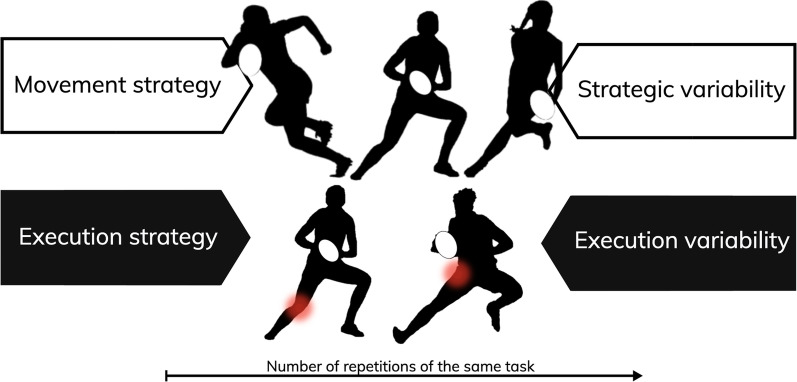
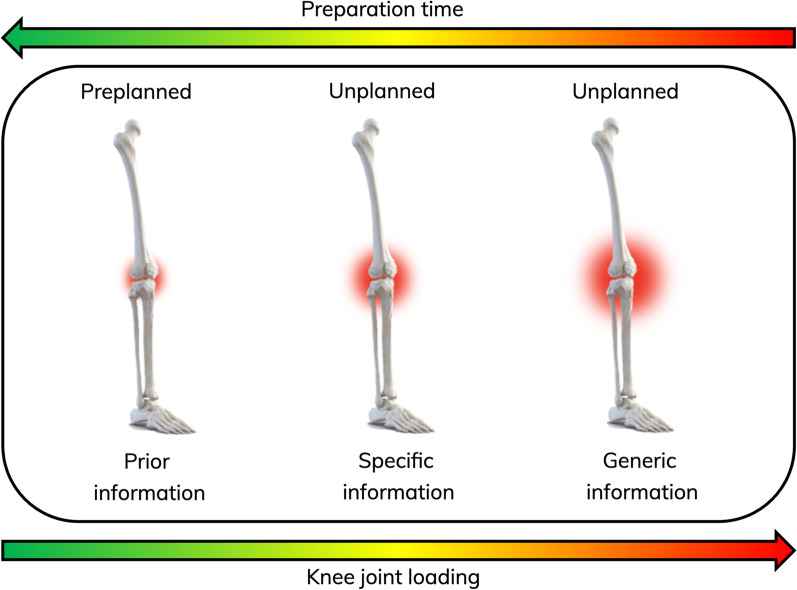
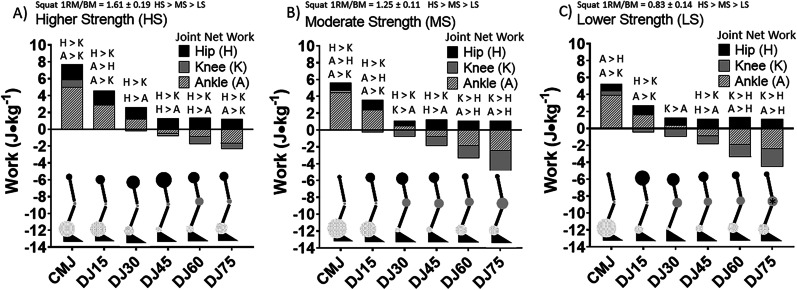
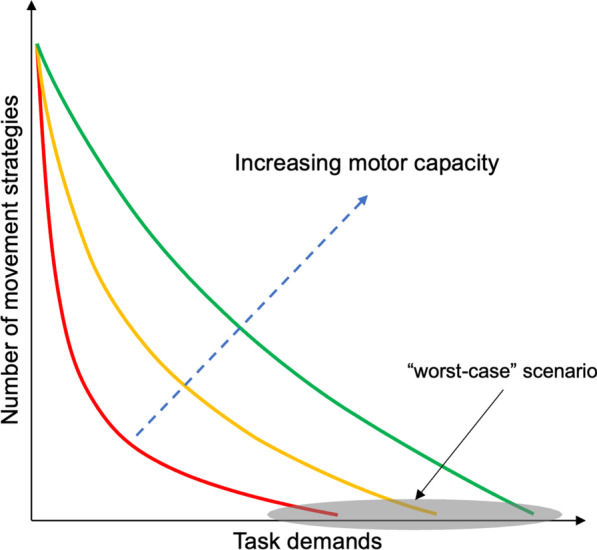
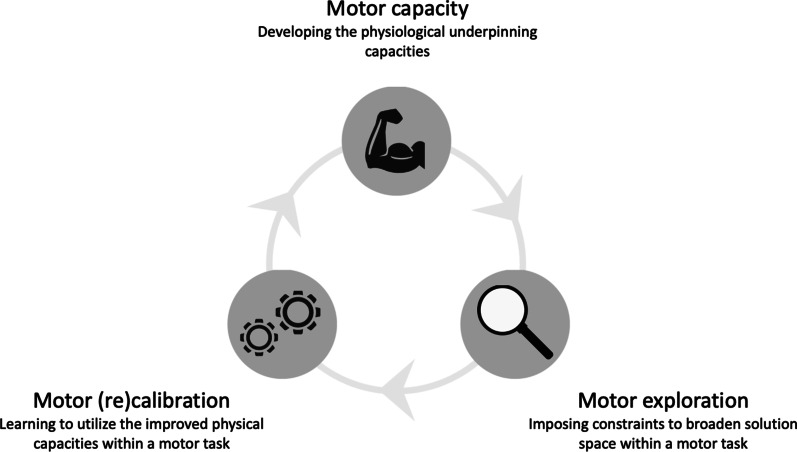
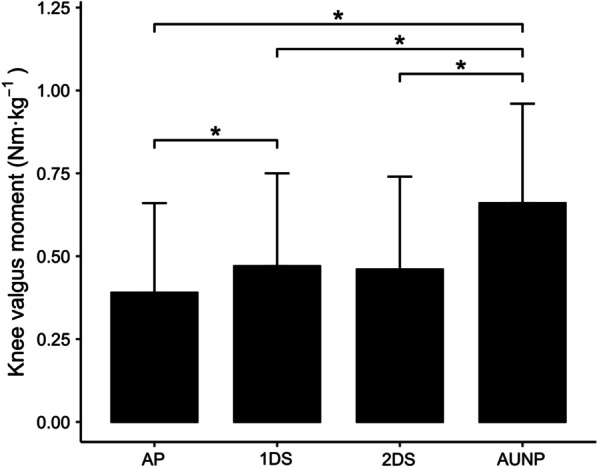
Sidesteps can impose high demands on the knee joint and lead to non-contact anterior cruciate ligament (ACL) injuries. Understanding how different constraints shape an athlete's movement strategy and the associated joint demands can help design training interventions to increase injury resilience. Motor capacities, such as muscular strength and power, act as boundaries for the safe execution of perceptual-motor skills and co-determine the emergence of unique movement strategies. Increasing single- and multi-joint strength enables a broader solution space for movement strategies and increases load tolerance. Manipulating task constraints during sidesteps can be used in the training process to systematically expose athletes to increasing demands (on the knee joint or any joint or structure) in preparation for "worst-case" scenarios. In particular, the type and timing of information available influence the preparation time, subsequently affecting the movement strategy and the associated magnitude of external knee joint loading (e.g., knee valgus moment). While an athlete's perceptual-cognitive skills contribute to the preparation time during in situ scenarios, attempts to further improve those skills with the aim of increasing athlete preparation time prior to "worst-case" scenarios are yet to demonstrate conclusive evidence of transfer to on-field situations. Therefore, in the current article, we reflect on the impact of different interacting constraints that influence the execution of sidesteps during in situ scenarios and impose high demands on the knee joint. Subsequently, we discuss how an integrated perspective, drawing on knowledge and perspectives from strength and conditioning and perception-action, may enhance an athlete's ability to withstand "worst-case" scenarios and adapt to perform varied movement executions when sidestepping.
侧向步对膝关节要求很高,并可能导致非接触性前交叉韧带(ACL)损伤。了解不同的限制因素如何塑造运动员的运动策略以及相关的关节需求,有助于设计训练干预措施以提高抗损伤能力。运动能力,如肌肉力量和功率,是安全执行感知运动技能的边界,并共同决定独特运动策略的出现。增加单关节和多关节力量可为运动策略提供更广阔的解决方案空间,并提高负荷耐受性。在侧向步训练过程中操纵任务限制因素,可系统地让运动员面对不断增加的需求(对膝关节或任何关节或结构),为“最坏情况”场景做好准备。特别是,可用信息的类型和时机影响准备时间,进而影响运动策略和外部膝关节负荷的相关大小(例如,膝外翻力矩)。虽然运动员的感知认知技能有助于原地场景中的准备时间,但试图进一步提高这些技能以增加运动员在“最坏情况”场景之前的准备时间,尚未证明有确凿证据表明能转移到场上情况。因此,在本文中,我们思考了不同相互作用的限制因素对原地场景中侧向步执行的影响,这些因素对膝关节要求很高。随后,我们讨论了一个综合的观点,借鉴力量与体能训练以及感知 - 行动方面的知识和观点,如何提高运动员承受“最坏情况”场景的能力,并在侧向步时适应执行各种不同的动作。