Kavaliunas Andrius, Ocaya Pauline, Mumper Jim, Lindfeldt Isis, Kyhlstedt Mattias
Department of Clinical Neuroscience, Karolinska Institute, Stockholm, Sweden.
Department of Clinical Microbiology, Section of Infection and Immunology, University Hospital of Umeå, Umeå, Sweden.
Health Policy Technol. 2020 Dec;9(4):598-612. doi: 10.1016/j.hlpt.2020.08.009. Epub 2020 Aug 29.
Severe acute respiratory syndrome coronavirus 2 (SARS-CoV-2) has challenged health care systems and put societies to the test in the world beyond expectations.
Our aim is to describe and analyze the Swedish approach in combating the pandemic.
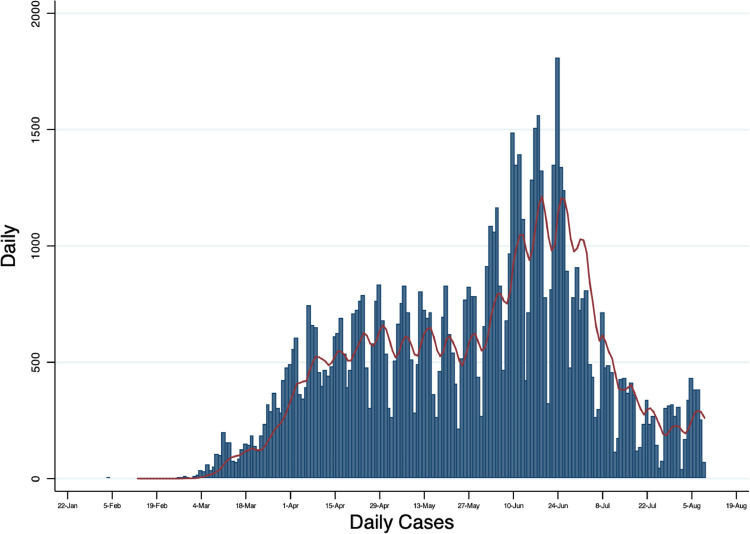
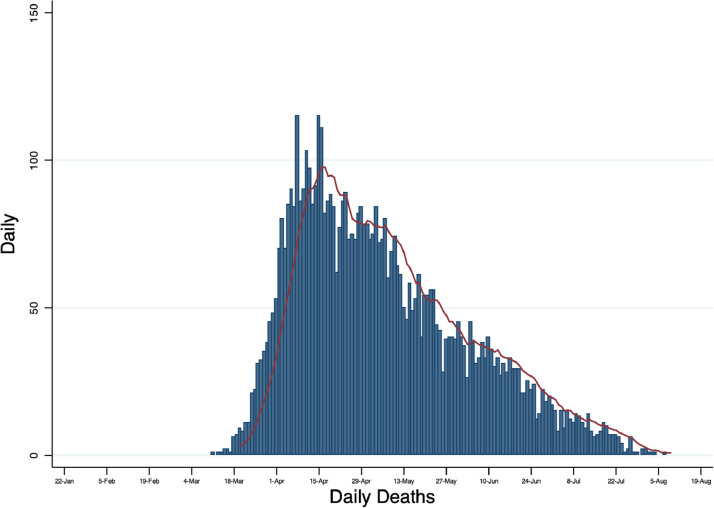
We present and discuss data collated from various sources - published scientific studies, pre-print material, agency reports, media communication, public surveys, etc. - with specific focus on the approach itself, Covid-19 trends, healthcare system response, policy and measures overview, and implications.
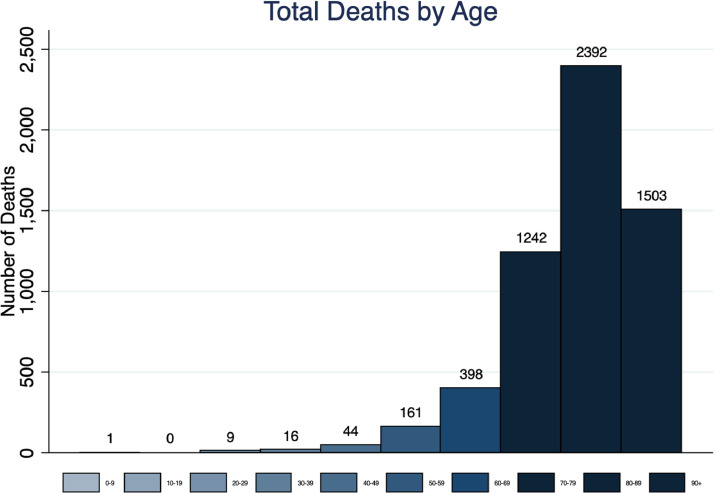
The main intervention to manage the curve has been the general recommendations to adhere to good hand hygiene, beware of physical distance to others, to refrain from large gatherings and restrain from non-essential travel. Persons with suspected Covid-19 infection were recommended to stay at home and avoid social contacts. Additionally, visits to the elderly care homes and meetings with more than 50 people were forbidden. As a result, the healthcare system in the country has so far, never been overwhelmed. However, the relatively high mortality among the elderly, together with the vulnerability of some migrants, points out the drawbacks.
Many countries have both marvelled and criticized the Swedish strategy that is formed in a close partnership between the government and the society based on a mutual trust giving the responsibility to individuals. It already highlights how much can be achieved with voluntary measures (recommendations) - something that was noticed and proposed as a future model by the World Health Organization.
严重急性呼吸综合征冠状病毒2(SARS-CoV-2)给医疗系统带来了挑战,并出乎人们意料地在全球范围内考验着各个社会。
我们的目标是描述和分析瑞典应对这一疫情的方法。
我们展示并讨论从各种来源整理的数据——已发表的科学研究、预印本材料、机构报告、媒体通讯、公众调查等——特别关注应对方法本身、新冠疫情趋势、医疗系统应对措施、政策与措施概述以及影响。
控制疫情曲线的主要干预措施是一般性建议,包括坚持良好的手部卫生习惯、注意与他人保持身体距离、避免大型集会以及避免不必要的旅行。对于疑似感染新冠病毒的人,建议居家并避免社交接触。此外,禁止探访养老院以及禁止50人以上的集会。结果,该国的医疗系统至今从未不堪重负。然而,老年人相对较高的死亡率以及一些移民的脆弱性,也凸显了其中的弊端。
许多国家对瑞典的策略既感到惊叹又提出批评,该策略是在政府与社会基于相互信任紧密合作的基础上形成的,赋予了个人责任。这已经凸显了通过自愿措施(建议)能够取得多大的成效——这一点已被世界卫生组织注意到并提议作为未来的模式。