Department of Mechanical and Aerospace Engineering, New York University, Brooklyn, United States.
Department of Biomedical Engineering, New York University, Brooklyn, United States.
Elife. 2020 Sep 10;9:e52253. doi: 10.7554/eLife.52253.
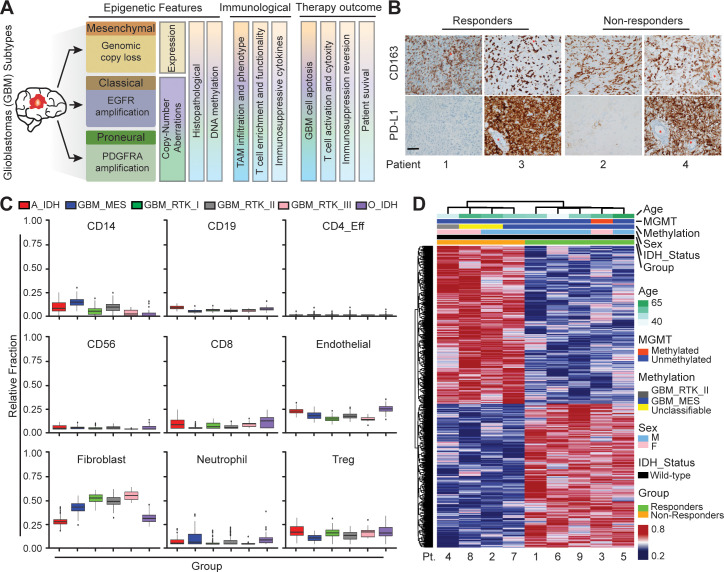
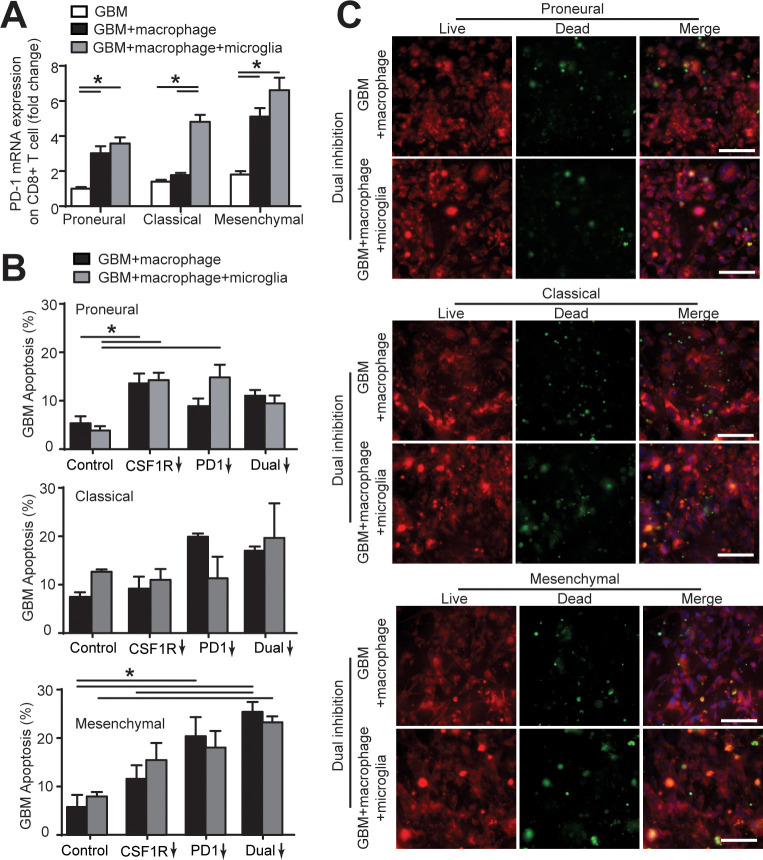
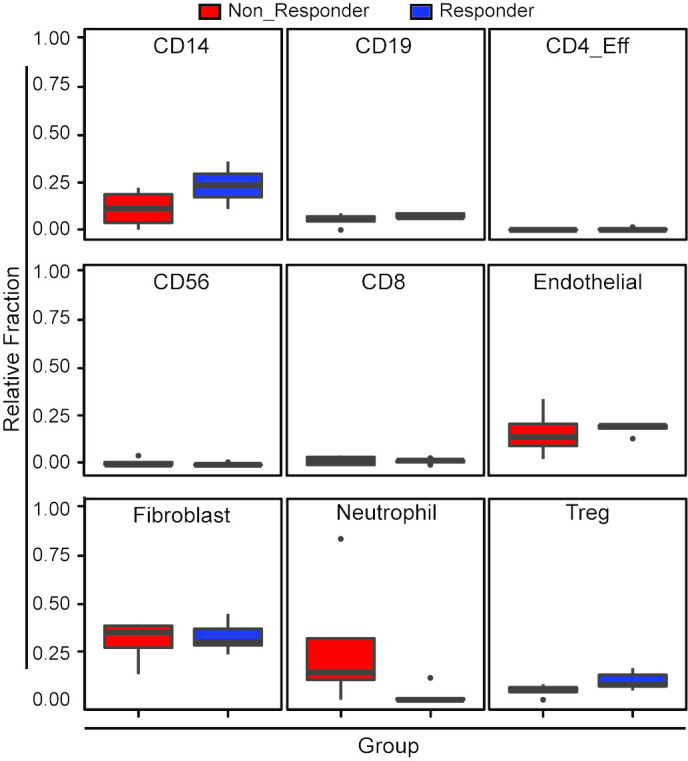
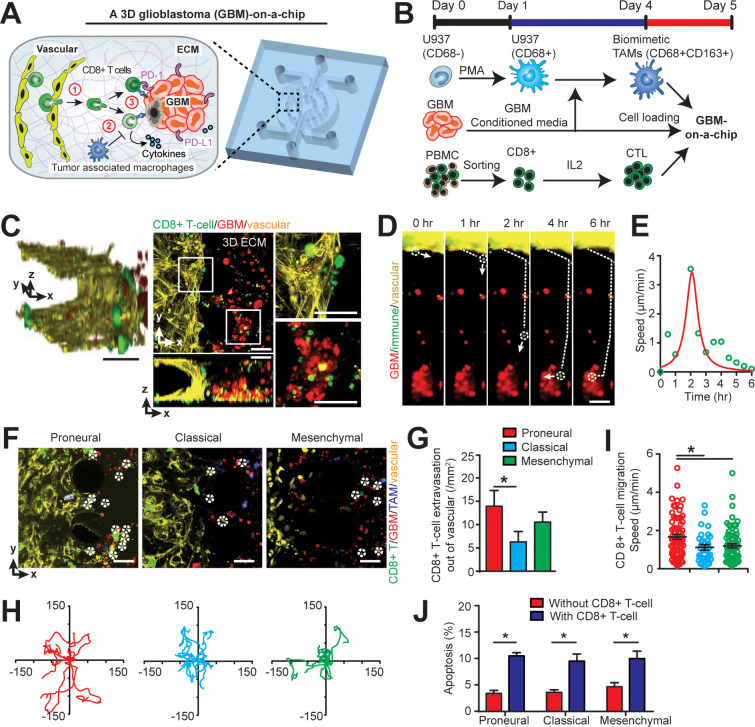
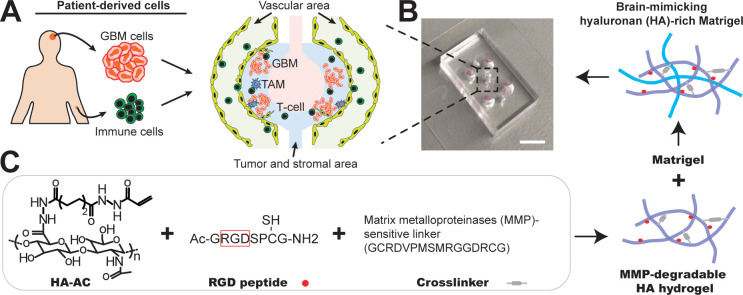
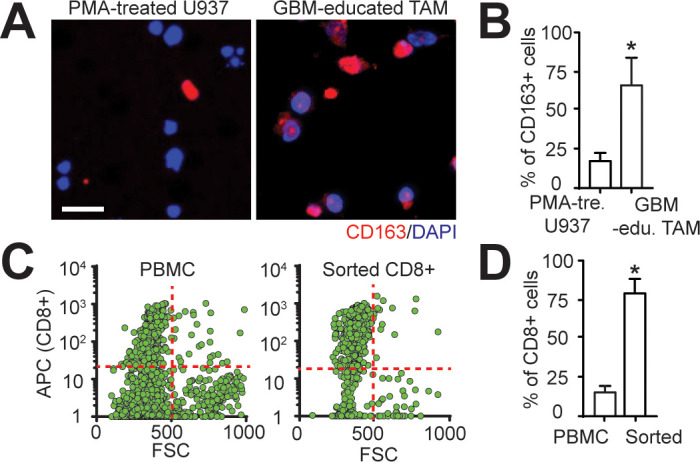
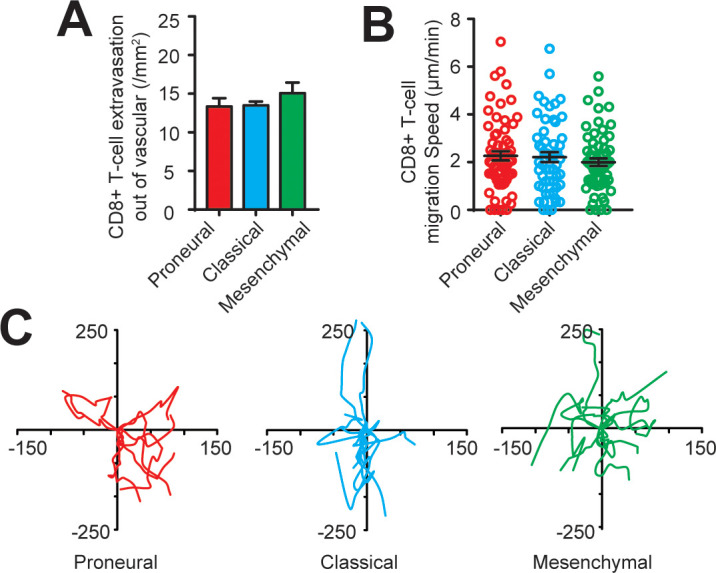
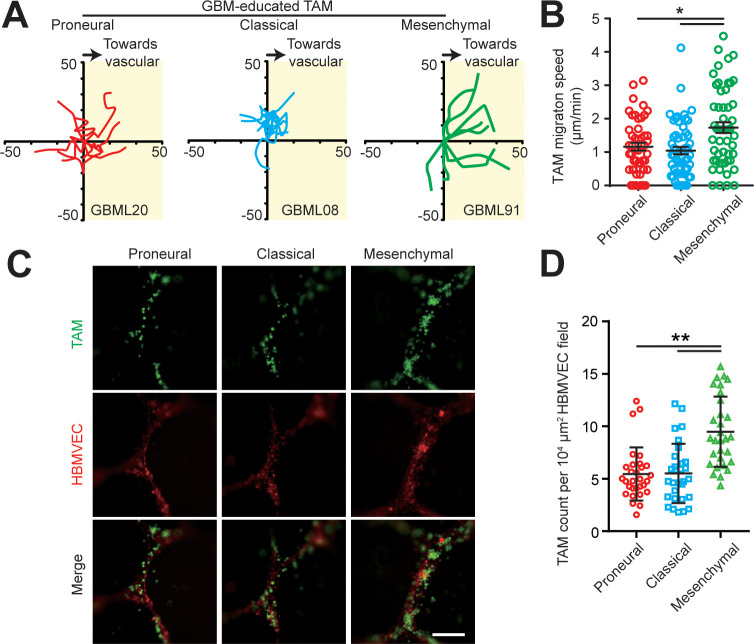
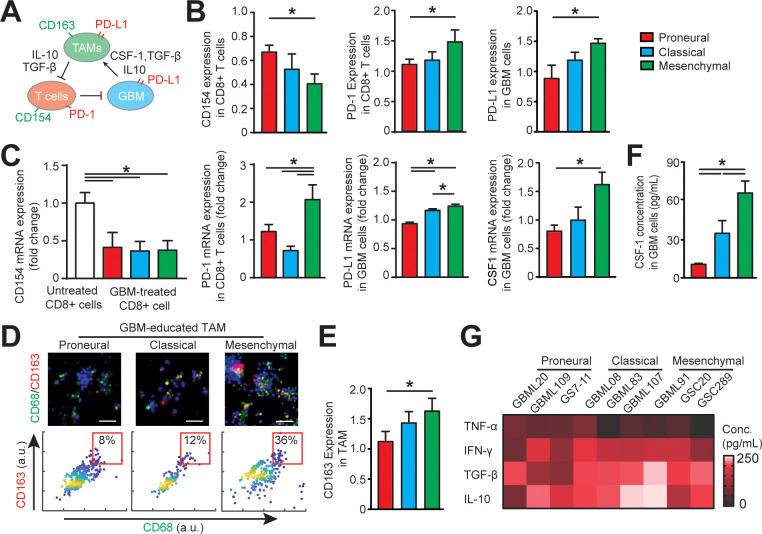
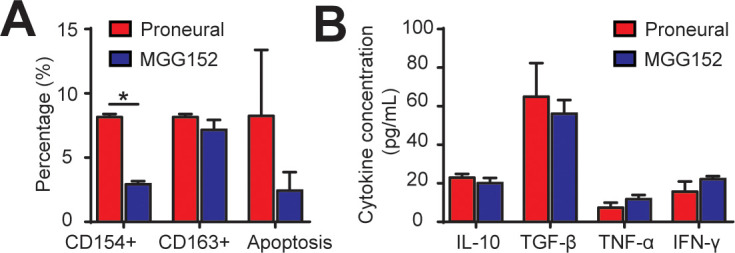
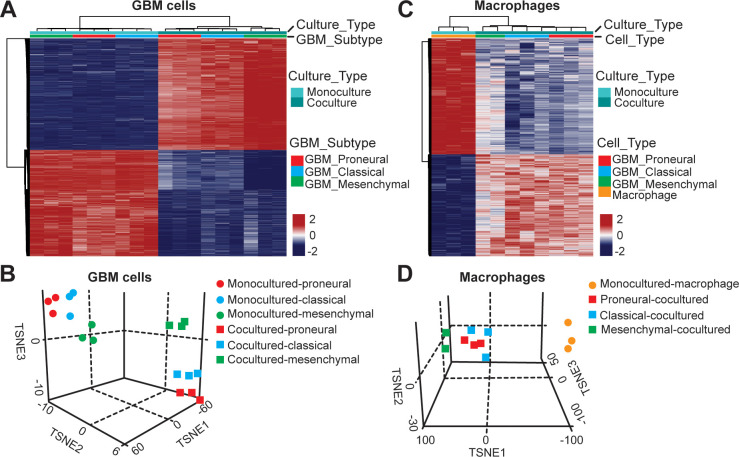
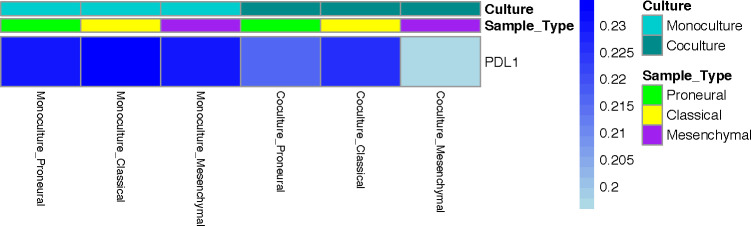
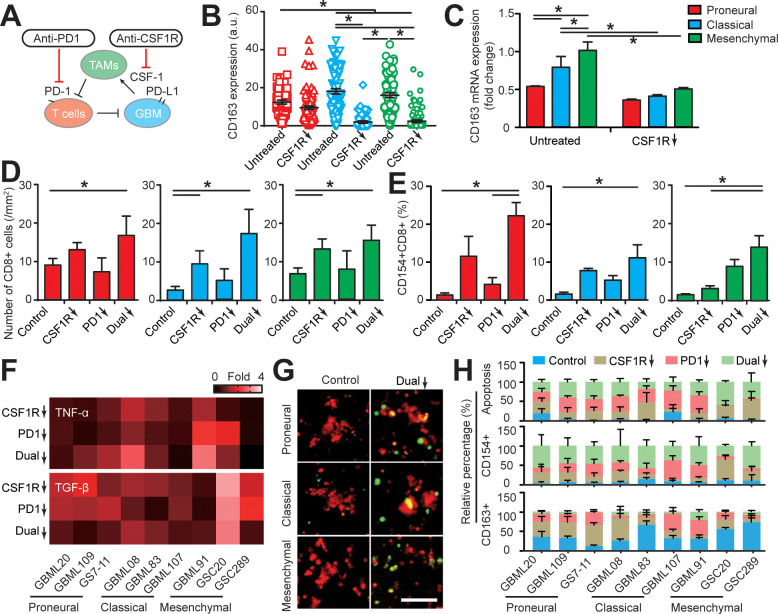
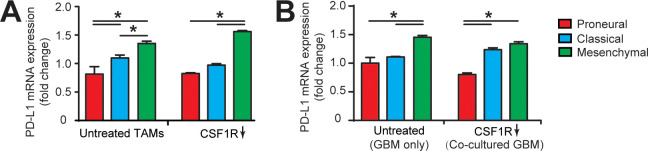
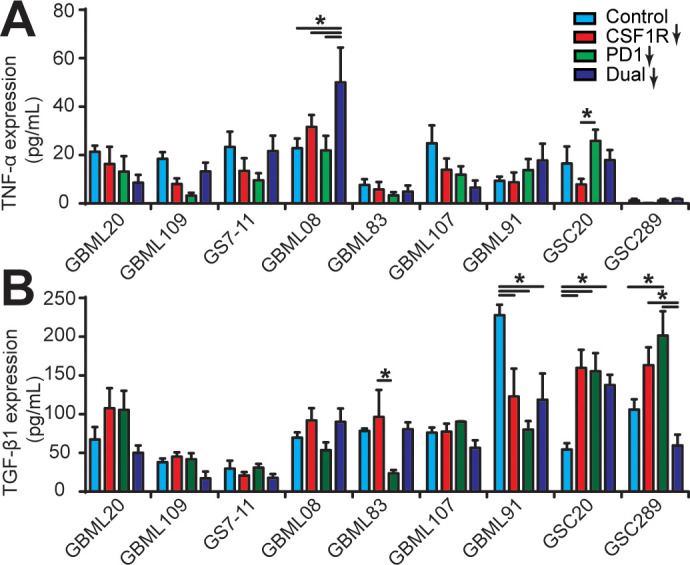
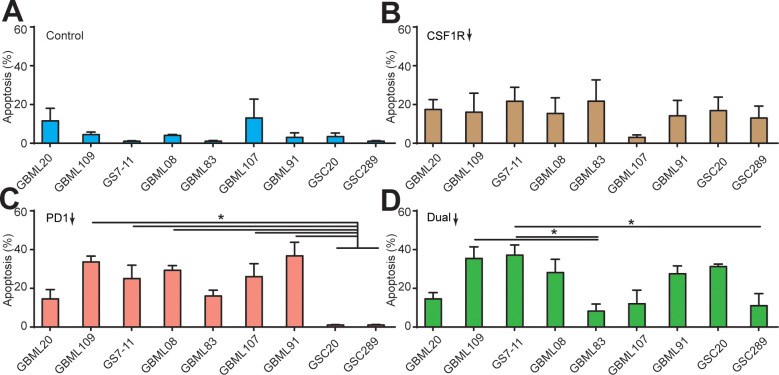
Programmed cell death protein-1 (PD-1) checkpoint immunotherapy efficacy remains unpredictable in glioblastoma (GBM) patients due to the genetic heterogeneity and immunosuppressive tumor microenvironments. Here, we report a microfluidics-based, patient-specific 'GBM-on-a-Chip' microphysiological system to dissect the heterogeneity of immunosuppressive tumor microenvironments and optimize anti-PD-1 immunotherapy for different GBM subtypes. Our clinical and experimental analyses demonstrated that molecularly distinct GBM subtypes have distinct epigenetic and immune signatures that may lead to different immunosuppressive mechanisms. The real-time analysis in GBM-on-a-Chip showed that mesenchymal GBM niche attracted low number of allogeneic CD154+CD8+ T-cells but abundant CD163+ tumor-associated macrophages (TAMs), and expressed elevated PD-1/PD-L1 immune checkpoints and TGF-β1, IL-10, and CSF-1 cytokines compared to proneural GBM. To enhance PD-1 inhibitor nivolumab efficacy, we co-administered a CSF-1R inhibitor BLZ945 to ablate CD163+ M2-TAMs and strengthened CD154+CD8+ T-cell functionality and GBM apoptosis on-chip. Our ex vivo patient-specific GBM-on-a-Chip provides an avenue for a personalized screening of immunotherapies for GBM patients.
程序性细胞死亡蛋白-1(PD-1)检查点免疫疗法在胶质母细胞瘤(GBM)患者中的疗效仍然难以预测,这是由于遗传异质性和免疫抑制性肿瘤微环境。在这里,我们报告了一种基于微流控的、患者特异性的“GBM 芯片上”微生理系统,用于剖析免疫抑制性肿瘤微环境的异质性,并优化不同 GBM 亚型的抗 PD-1 免疫疗法。我们的临床和实验分析表明,分子上不同的 GBM 亚型具有不同的表观遗传和免疫特征,这可能导致不同的免疫抑制机制。在 GBM 芯片上的实时分析表明,间充质 GBM 生态位吸引的同种异体 CD154+CD8+T 细胞数量较少,但富含 CD163+肿瘤相关巨噬细胞(TAMs),并表达高水平的 PD-1/PD-L1 免疫检查点和 TGF-β1、IL-10 和 CSF-1 细胞因子,与神经前体细胞 GBM 相比。为了增强 PD-1 抑制剂纳武单抗的疗效,我们共同给予 CSF-1R 抑制剂 BLZ945 以消融 CD163+M2-TAMs,并在芯片上增强 CD154+CD8+T 细胞功能和 GBM 凋亡。我们的体外患者特异性 GBM 芯片上系统为 GBM 患者的个性化免疫疗法筛选提供了一种途径。