Li Ming, Kirtane Ameya R, Kiyokawa Juri, Nagashima Hiroaki, Lopes Aaron, Tirmizi Zain A, Lee Christine K, Traverso Giovanni, Cahill Daniel P, Wakimoto Hiroaki
Department of Neurosurgery, Massachusetts General Hospital Cancer Center, Harvard Medical School, Boston, Massachusetts.
Koch Institute for Integrative Cancer Research, Massachusetts Institute of Technology, Cambridge, Massachusetts.
Cancer Res. 2020 Nov 15;80(22):5024-5034. doi: 10.1158/0008-5472.CAN-20-1094. Epub 2020 Sep 30.
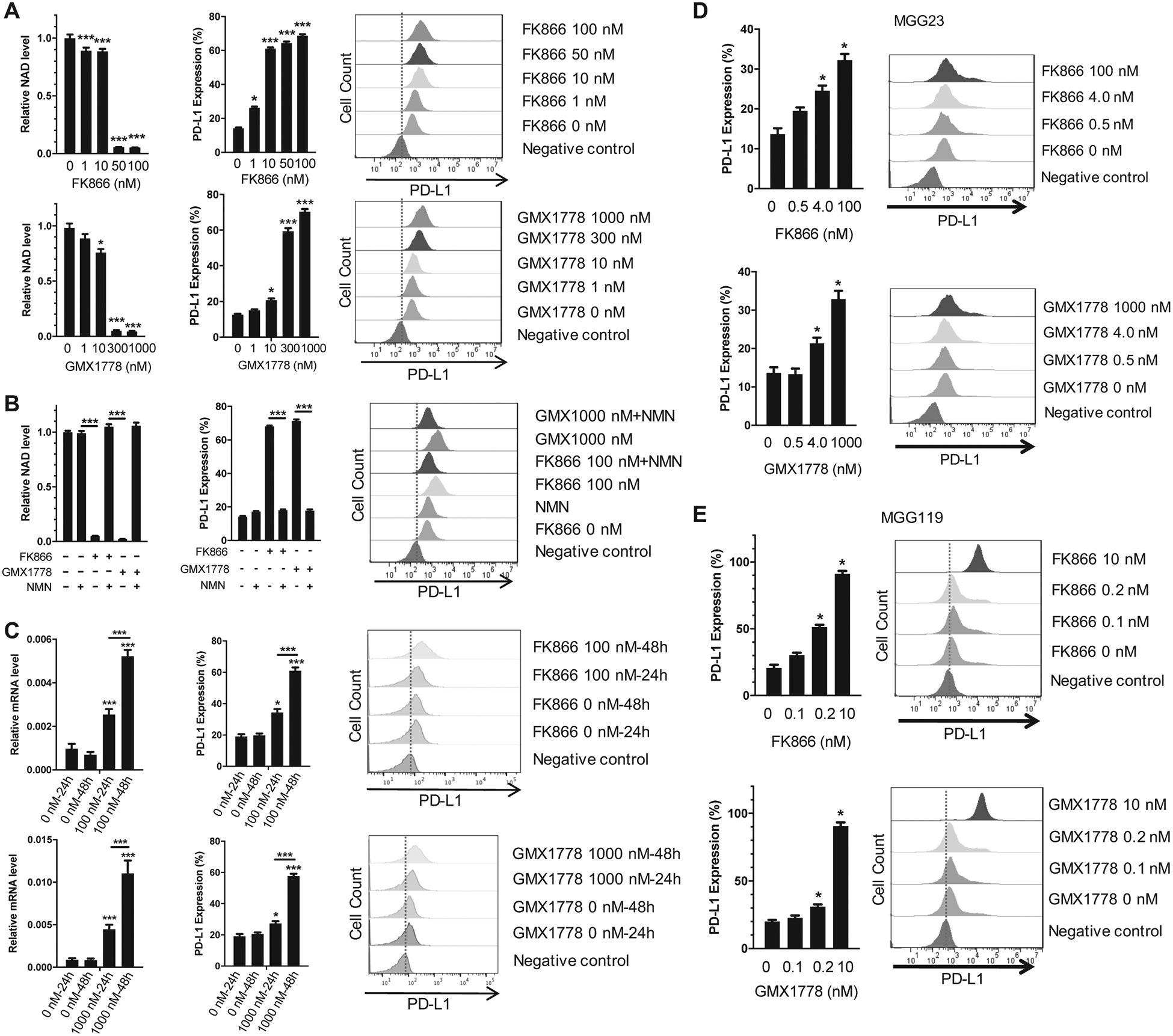
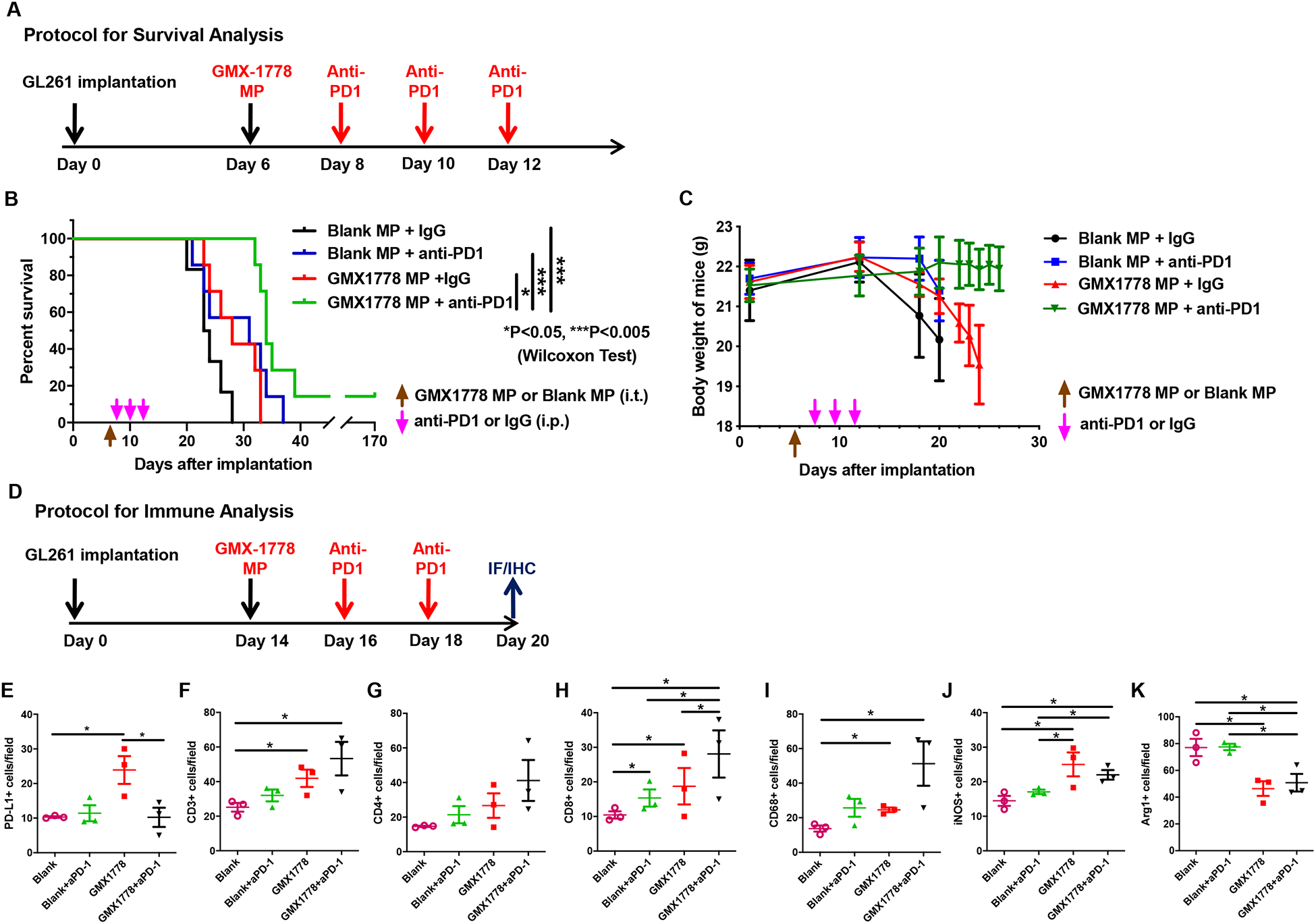
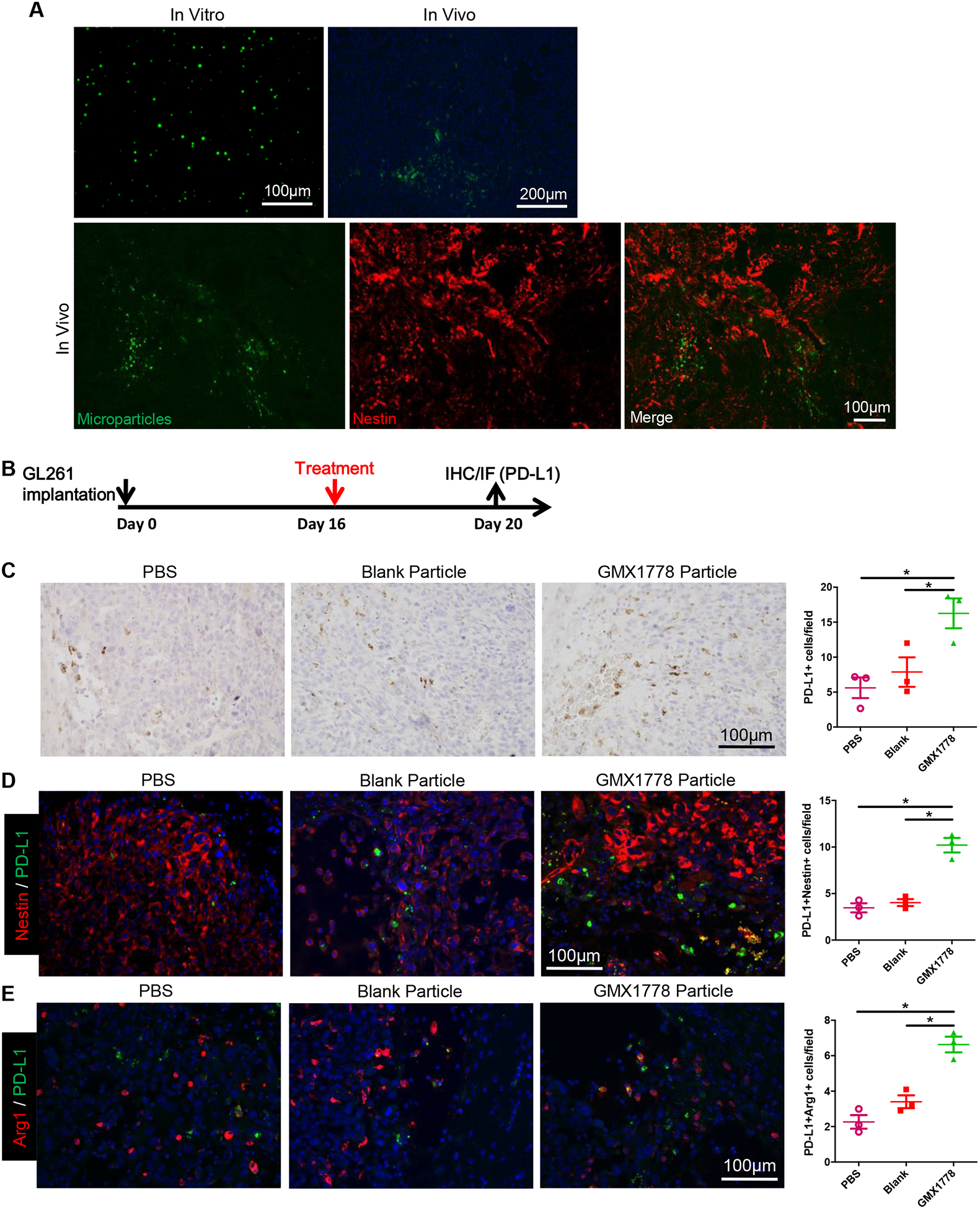
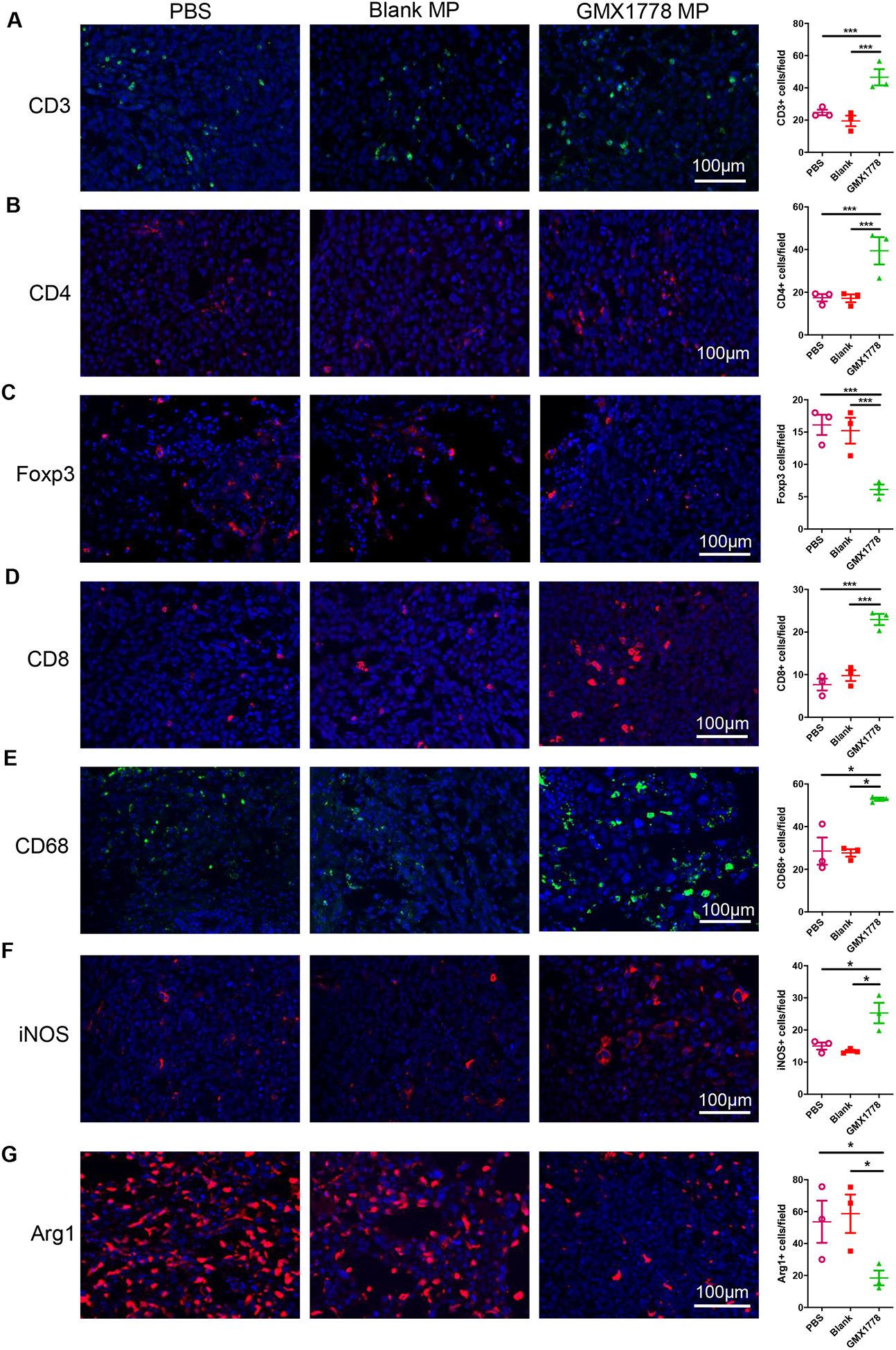
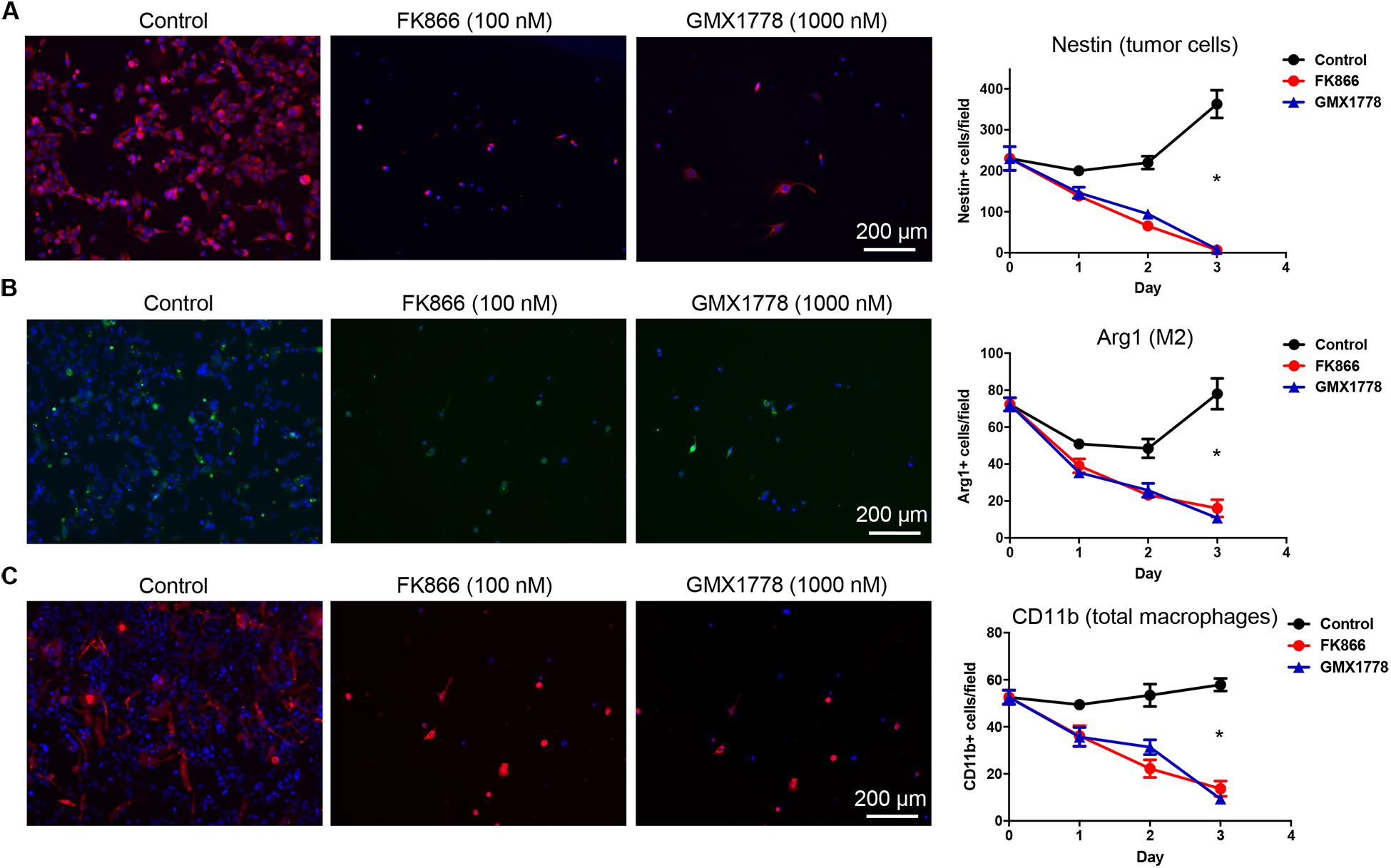
The aggressive primary brain tumor glioblastoma (GBM) is characterized by aberrant metabolism that fuels its malignant phenotype. Diverse genetic subtypes of malignant glioma are sensitive to selective inhibition of the NAD salvage pathway enzyme nicotinamide phosphoribosyltransferase (NAMPT). However, the potential impact of NAD depletion on the brain tumor microenvironment has not been elaborated. In addition, systemic toxicity of NAMPT inhibition remains a significant concern. Here we show that microparticle-mediated intratumoral delivery of NAMPT inhibitor GMX1778 induces specific immunologic changes in the tumor microenvironment of murine GBM, characterized by upregulation of immune checkpoint PD-L1, recruitment of CD3, CD4, and CD8 T cells, and reduction of M2-polarized immunosuppressive macrophages. NAD depletion and autophagy induced by NAMPT inhibitors mediated the upregulation of PD-L1 transcripts and cell surface protein levels in GBM cells. NAMPT inhibitor modulation of the tumor immune microenvironment was therefore combined with PD-1 checkpoint blockade , significantly increasing the survival of GBM-bearing animals. Thus, the therapeutic impacts of NAMPT inhibition extended beyond neoplastic cells, shaping surrounding immune effectors. Microparticle delivery and release of NAMPT inhibitor at the tumor site offers a safe and robust means to alter an immune tumor microenvironment that could potentiate checkpoint immunotherapy for glioblastoma. SIGNIFICANCE: Microparticle-mediated local inhibition of NAMPT modulates the tumor immune microenvironment and acts cooperatively with anti-PD-1 checkpoint blockade, offering a combination immunotherapy strategy for the treatment of GBM.
侵袭性原发性脑肿瘤胶质母细胞瘤(GBM)的特征是异常代谢,这种代谢为其恶性表型提供了能量。恶性胶质瘤的不同基因亚型对烟酰胺磷酸核糖转移酶(NAMPT)这一NAD补救途径酶的选择性抑制敏感。然而,NAD耗竭对脑肿瘤微环境的潜在影响尚未得到阐述。此外,NAMPT抑制的全身毒性仍然是一个重大问题。在这里,我们表明,微粒介导的NAMPT抑制剂GMX1778瘤内递送可诱导小鼠GBM肿瘤微环境发生特异性免疫变化,其特征为免疫检查点PD-L1上调、CD3、CD4和CD8 T细胞募集以及M2极化免疫抑制巨噬细胞减少。NAMPT抑制剂诱导的NAD耗竭和自噬介导了GBM细胞中PD-L1转录本和细胞表面蛋白水平的上调。因此,NAMPT抑制剂对肿瘤免疫微环境的调节与PD-1检查点阻断相结合,显著提高了荷GBM动物的存活率。因此,NAMPT抑制的治疗作用不仅限于肿瘤细胞,还塑造了周围的免疫效应细胞。在肿瘤部位微粒递送和释放NAMPT抑制剂提供了一种安全有效的手段来改变免疫肿瘤微环境,从而增强胶质母细胞瘤的检查点免疫治疗。意义:微粒介导的NAMPT局部抑制调节肿瘤免疫微环境,并与抗PD-1检查点阻断协同作用,为GBM治疗提供了一种联合免疫治疗策略。