Department of Structural Biology, Stanford University School of Medicine, Stanford, CA 94305, USA.
Department of Structural Biology, Stanford University School of Medicine, Stanford, CA 94305, USA; Department of Molecular and Cellular Physiology, Stanford University School of Medicine, Stanford, CA 94305, USA.
Curr Opin Struct Biol. 2020 Dec;65:175-183. doi: 10.1016/j.sbi.2020.07.005. Epub 2020 Sep 8.
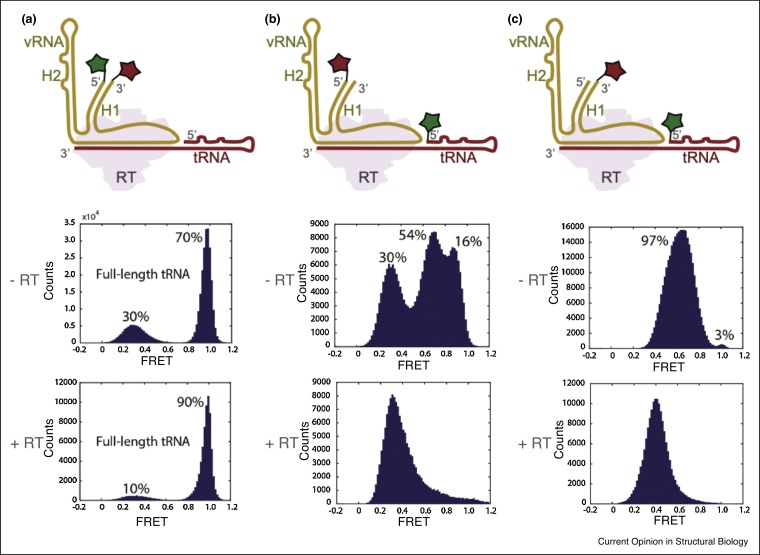
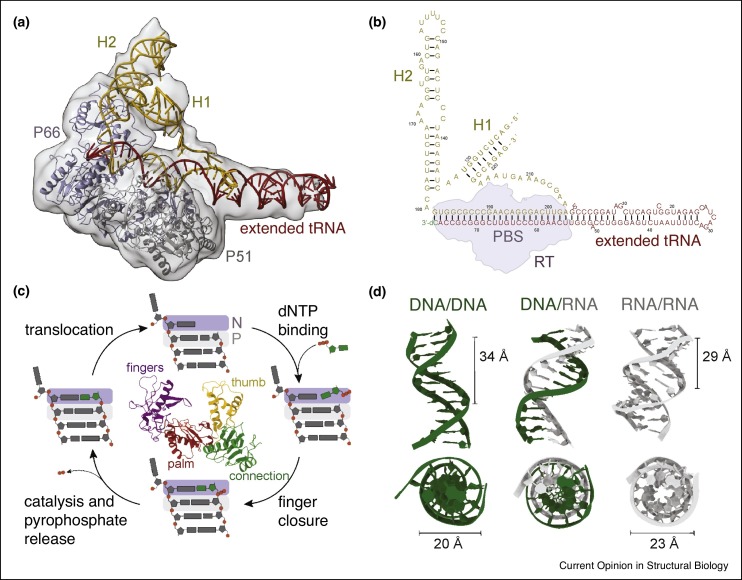
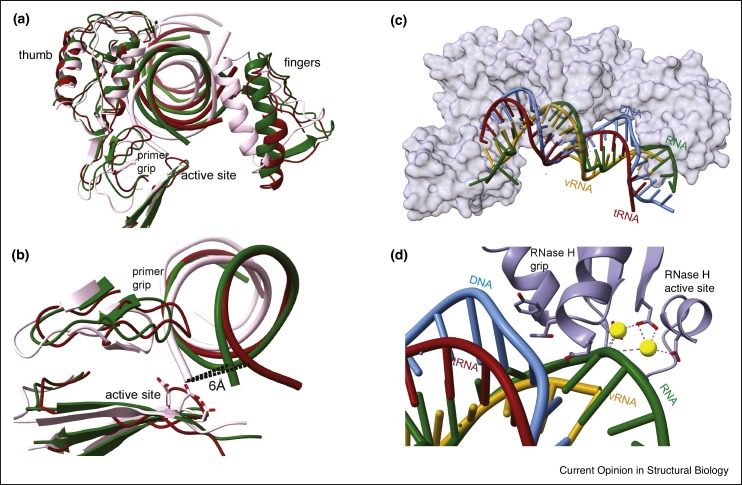
Many viruses, including Severe Acute Respiratory Syndrome Coronavirus 2 (SARS-CoV-2) and Human Immunodeficiency Virus (HIV), use RNA as their genetic material. How viruses harness RNA structure and RNA-protein interactions to control their replication remains obscure. Recent advances in the characterization of HIV-1 reverse transcriptase, the enzyme that converts its single-stranded RNA genome into a double-stranded DNA copy, reveal how the reverse transcription complex evolves during initiation. Here we highlight these advances in HIV-1 structural biology and discuss how they are furthering our understanding of HIV and related ribonucleoprotein complexes implicated in viral disease.
许多病毒,包括严重急性呼吸系统综合症冠状病毒 2 型(SARS-CoV-2)和人类免疫缺陷病毒(HIV),都使用 RNA 作为其遗传物质。病毒如何利用 RNA 结构和 RNA-蛋白质相互作用来控制其复制仍然不清楚。最近在 HIV-1 逆转录酶(将其单链 RNA 基因组转化为双链 DNA 拷贝的酶)的特征描述方面取得了进展,揭示了逆转录复合物在起始过程中的进化方式。在这里,我们重点介绍 HIV-1 结构生物学方面的这些进展,并讨论它们如何进一步加深我们对 HIV 及相关核糖核蛋白复合物在病毒疾病中的作用的理解。