Doshi Tina L, Nixdorf Donald R, Campbell Claudia M, Raja Srinivasa N
Department of Anesthesiology and Critical Care Medicine, Johns Hopkins University, Baltimore, MD, USA.
Department of Diagnostic and Biological Sciences, University of Minnesota School of Dentistry, Minneapolis, MN, USA.
Can J Pain. 2020;4(1):1-18. doi: 10.1080/24740527.2019.1709163. Epub 2020 Jan 23.
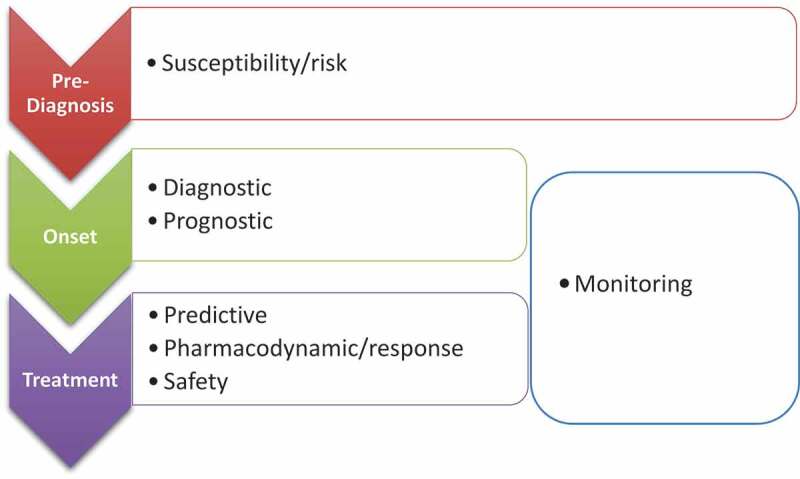
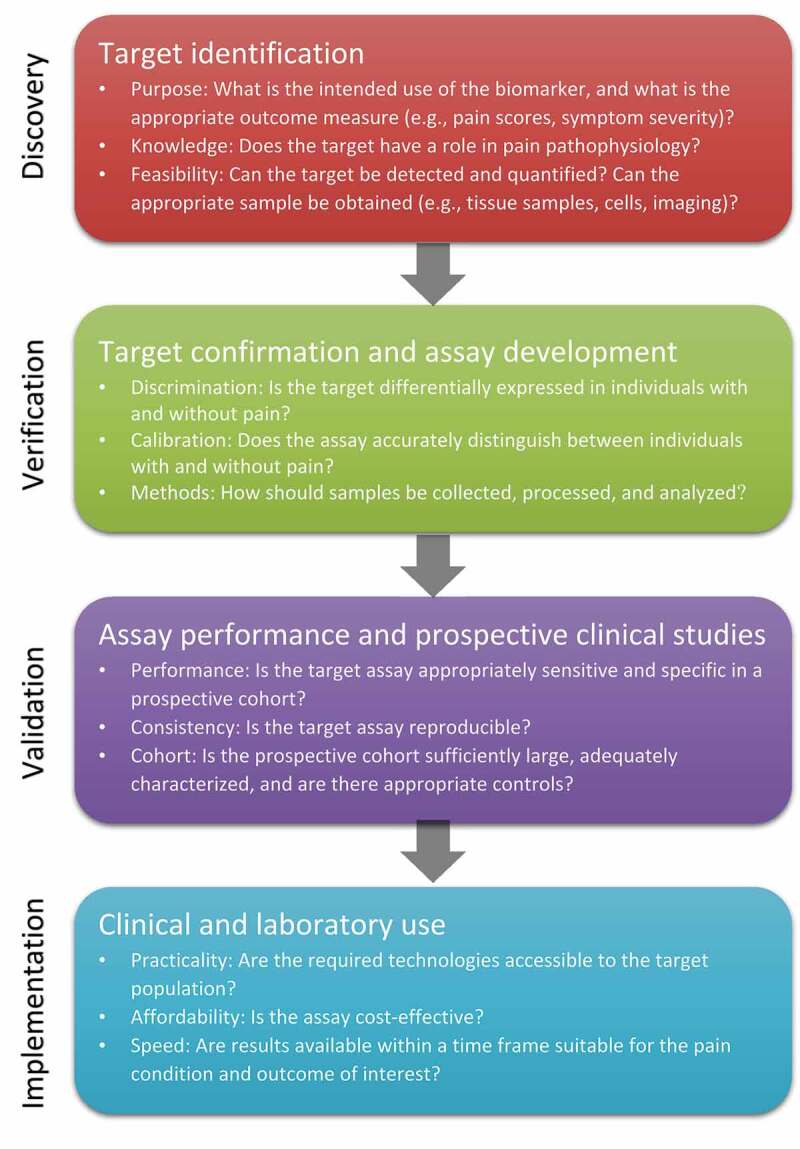
In this review, we will explore the use of biomarkers in chronic pain, using the examples of two prototypical facial pain conditions: trigeminal neuralgia and temporomandibular disorder. We will discuss the main categories of biomarkers and identify various genetic/genomic, molecular, neuroradiological, and psychophysical biomarkers in both facial pain conditions, using them to compare and contrast features of neuropathic, non-neuropathic, and mixed pain. By using two distinct model facial pain conditions to explore pain biomarkers, we aim to familiarize readers with different types of biomarkers currently being studied in chronic pain, and explore how these biomarkers may be used to develop new precision medicine approaches to pain diagnosis, prognosis, and management.
在本综述中,我们将以两种典型的面部疼痛病症:三叉神经痛和颞下颌关节紊乱为例,探讨生物标志物在慢性疼痛中的应用。我们将讨论生物标志物的主要类别,并确定这两种面部疼痛病症中的各种遗传/基因组、分子、神经放射学和心理物理学生物标志物,用它们来比较和对比神经性疼痛、非神经性疼痛和混合性疼痛的特征。通过使用两种不同的典型面部疼痛病症来探索疼痛生物标志物,我们旨在让读者熟悉目前在慢性疼痛研究中的不同类型的生物标志物,并探讨这些生物标志物如何用于开发新的精准医学方法来进行疼痛诊断、预后评估和管理。