Davarpanah Afshin
Department of Mathematics, Aberystwyth University, Aberystwyth SY23 3FL, UK.
Nanomaterials (Basel). 2020 Sep 12;10(9):1818. doi: 10.3390/nano10091818.
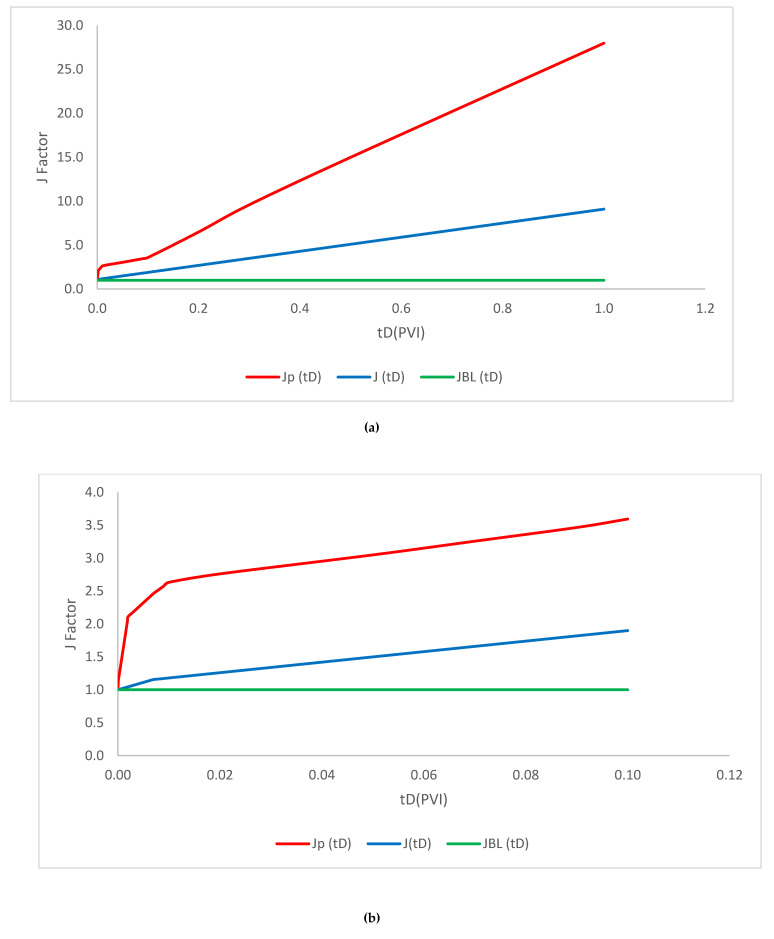
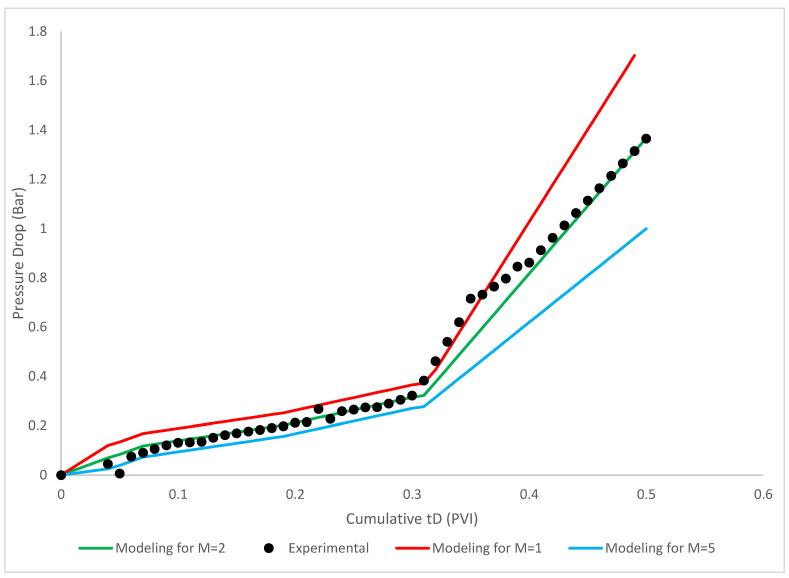
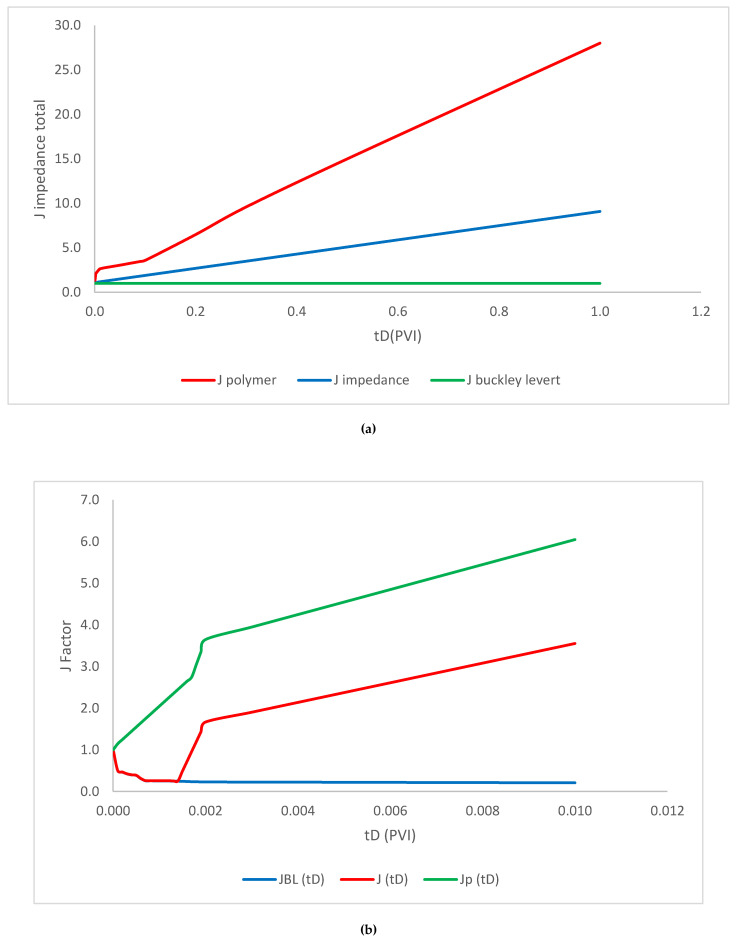
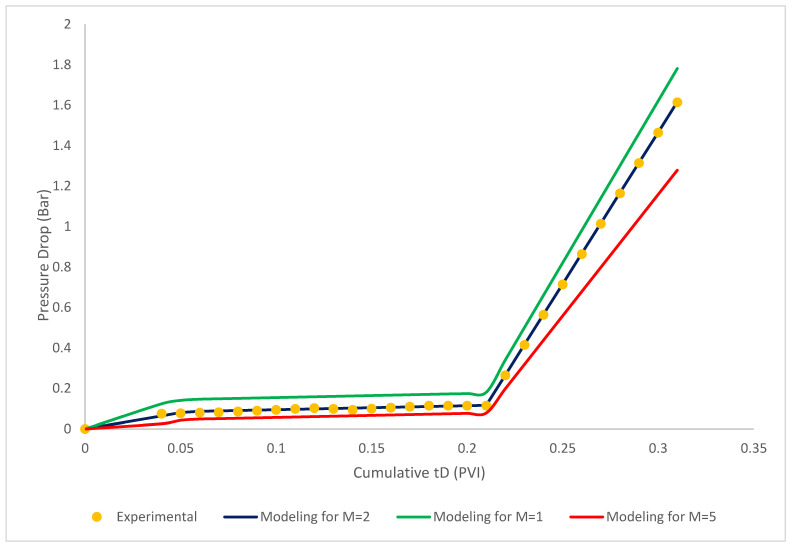
Among a wide range of enhanced oil-recovery techniques, polymer flooding has been selected by petroleum industries due to the simplicity and lower cost of operational performances. The reason for this selection is due to the mobility-reduction of the water phase, facilitating the forward-movement of oil. The objective of this comprehensive study is to develop a mathematical model for simultaneous injection of polymer-assisted nanoparticles migration to calculate an oil-recovery factor. Then, a sensitivity analysis is provided to consider the significant influence of formation rheological characteristics as type curves. To achieve this, we concentrated on the driving mathematical equations for the recovery factor and compare each parameter significantly to nurture the differences explicitly. Consequently, due to the results of this extensive study, it is evident that a higher value of mobility ratio, higher polymer concentration and higher formation-damage coefficient leads to a higher recovery factor. The reason for this is that the external filter cake is being made in this period and the subsequent injection of polymer solution administered a higher sweep efficiency and higher recovery factor.
在众多强化采油技术中,聚合物驱因其操作性能简单且成本较低而被石油行业所选用。做出这一选择的原因是水相流度降低,有利于油的向前移动。这项综合研究的目的是建立一个聚合物辅助纳米颗粒同时运移注入的数学模型,以计算采收率。然后,进行敏感性分析,将地层流变特性的显著影响作为典型曲线来考虑。为实现这一目标,我们专注于采收率的驱动数学方程,并对每个参数进行显著比较,以明确培育差异。因此,基于这项广泛研究的结果,很明显,流度比越高、聚合物浓度越高以及地层损害系数越高,采收率就越高。原因是在此期间形成了外部滤饼,随后注入的聚合物溶液具有更高的波及效率和采收率。