Dell'Anno Filippo, Brunet Christophe, van Zyl Leonardo Joaquim, Trindade Marla, Golyshin Peter N, Dell'Anno Antonio, Ianora Adrianna, Sansone Clementina
Stazione Zoologica Anton Dohrn, Istituto Nazionale di Biologia, Ecologia e Biotecnologie Marine, Villa Comunale, 80121 Napoli, Italy.
Department of Biotechnology, Institute for Microbial Biotechnology and Metagenomics (IMBM), University of the Western Cape, Bellville 7535, Cape Town, South Africa.
Microorganisms. 2020 Sep 11;8(9):1402. doi: 10.3390/microorganisms8091402.
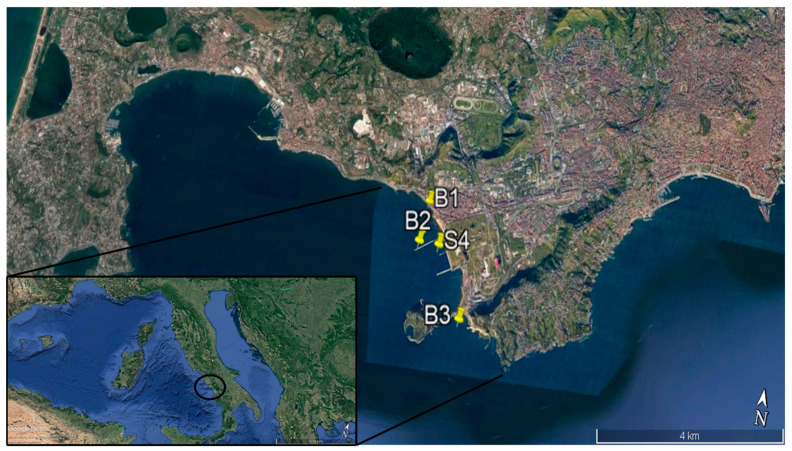
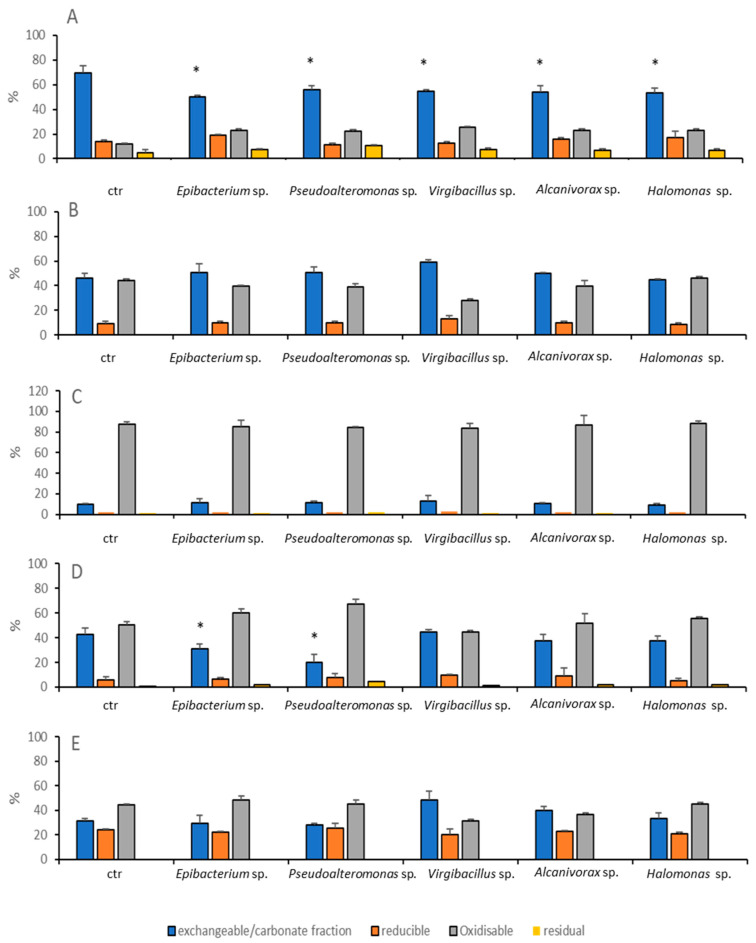
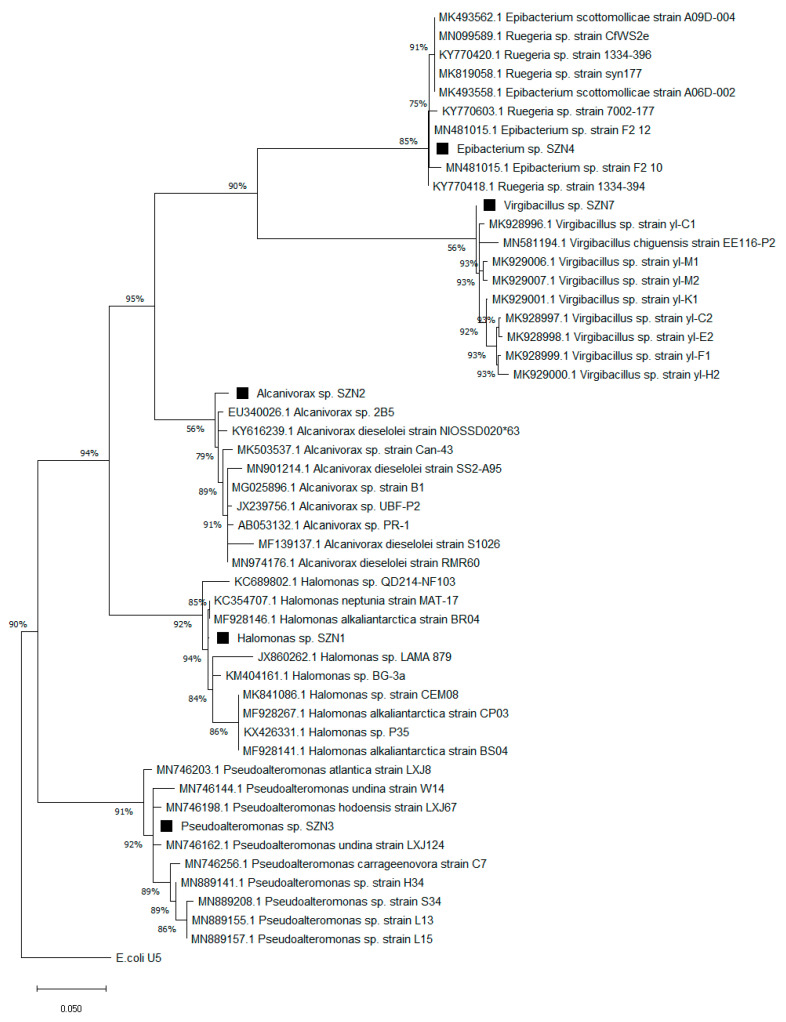
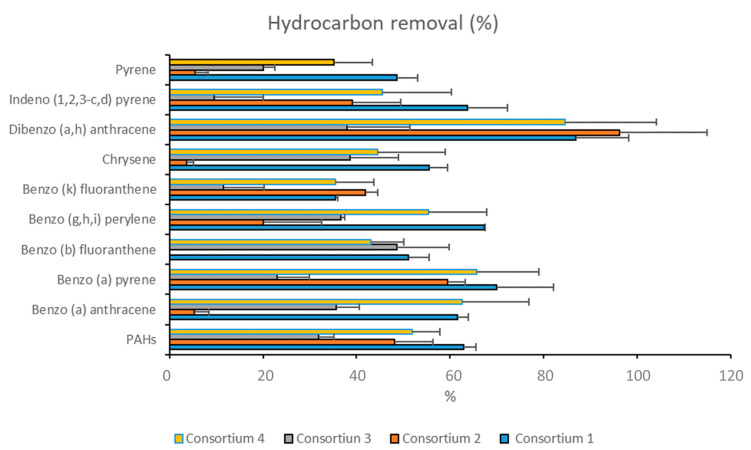
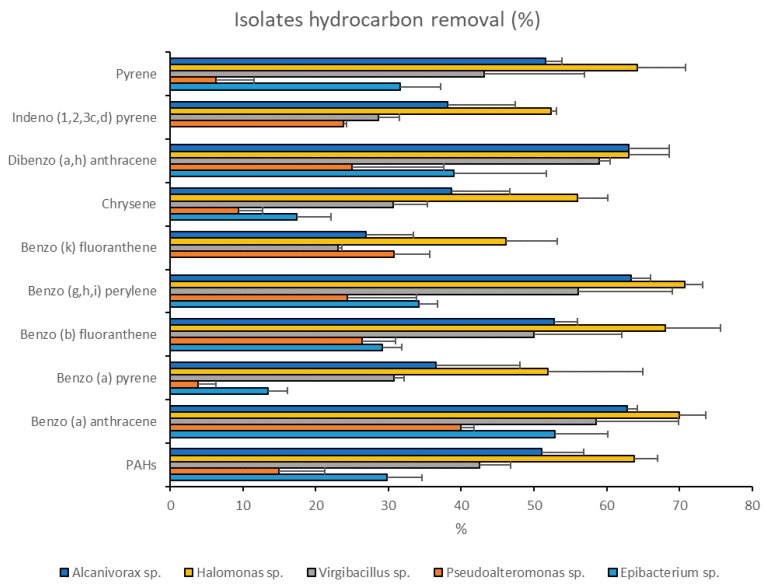
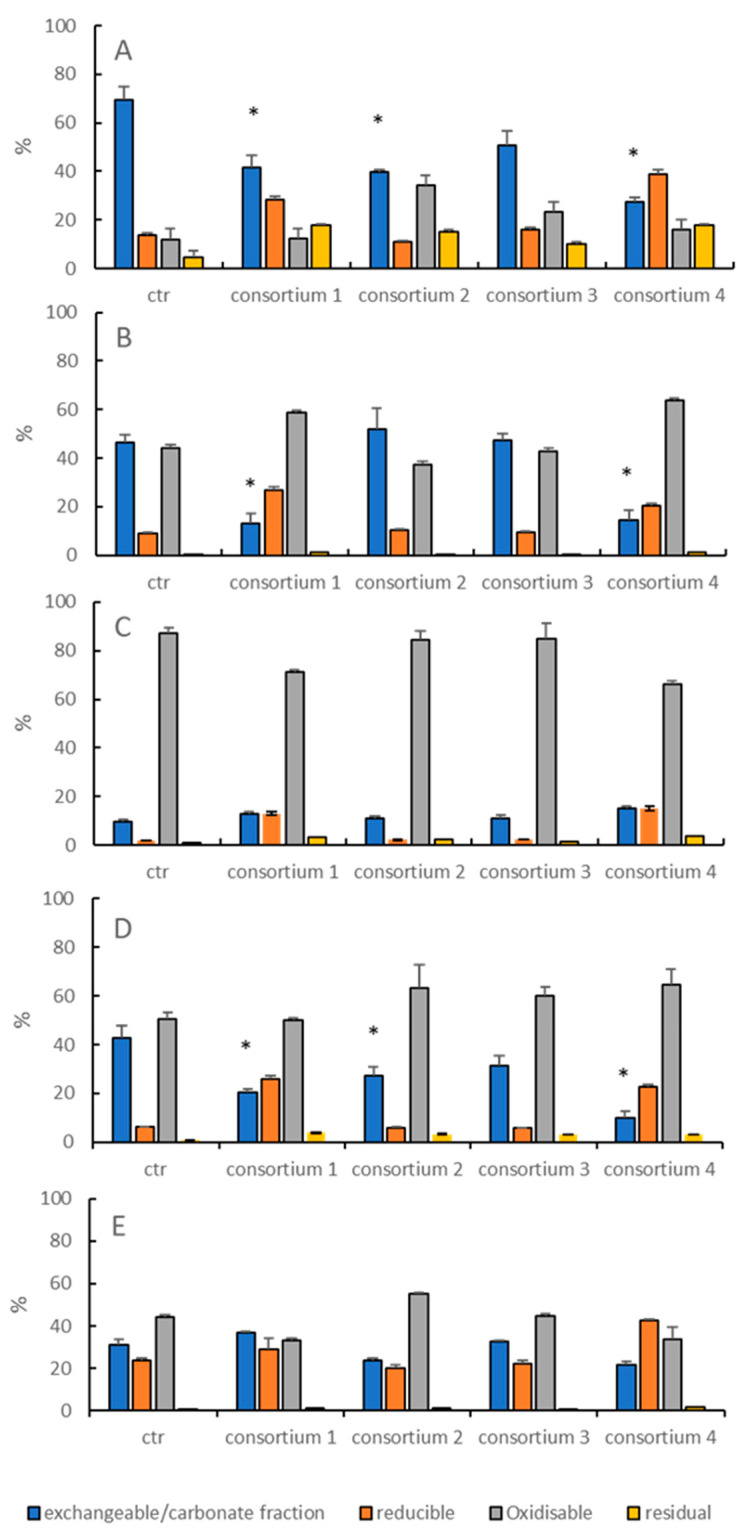
Investigations on the ability of bacteria to enhance removal of hydrocarbons and reduce heavy metal toxicity in sediments are necessary to design more effective bioremediation strategies. In this study, five bacterial strains, sp. SZN1, sp. SZN2, sp. SZN3, sp. SZN4, and sp. SZN7, were isolated from polluted sediments from an abandoned industrial site in the Gulf of Naples, Mediterranean Sea, and tested for their bioremediation efficiency on sediment samples collected from the same site. These bacteria were added as consortia or as individual cultures into polluted sediments to assess biodegradation efficiency of polycyclic aromatic hydrocarbons and heavy metal immobilisation capacity. Our results indicate that these bacteria were able to remove polycyclic aromatic hydrocarbons, with a removal rate up to ca. 80% for dibenzo-anthracene. In addition, these bacteria reduced arsenic, lead, and cadmium mobility by promoting their partitioning into less mobile and bioavailable fractions. Microbial consortia generally showed higher performance toward pollutants as compared with pure isolates, suggesting potential synergistic interactions able to enhance bioremediation capacity. Overall, our findings suggest that highly polluted sediments select for bacteria efficient at reducing the toxicity of hazardous compounds, paving the way for scaled-up bioremediation trials.
研究细菌增强沉积物中碳氢化合物去除能力和降低重金属毒性的能力,对于设计更有效的生物修复策略至关重要。在本研究中,从地中海那不勒斯湾一个废弃工业场地的污染沉积物中分离出五株细菌菌株,即SZN1菌、SZN2菌、SZN3菌、SZN4菌和SZN7菌,并对从同一地点采集的沉积物样本进行生物修复效率测试。将这些细菌作为混合菌群或单独培养物添加到污染沉积物中,以评估多环芳烃的生物降解效率和重金属固定能力。我们的结果表明,这些细菌能够去除多环芳烃,二苯并蒽的去除率高达约80%。此外,这些细菌通过促进砷、铅和镉向移动性较低且生物可利用性较低的组分分配,降低了它们的迁移性。与纯菌株相比,微生物混合菌群通常对污染物表现出更高的处理性能,这表明存在潜在的协同相互作用,能够增强生物修复能力。总体而言,我们的研究结果表明,高度污染的沉积物会选择对降低有害化合物毒性有效的细菌,为扩大规模的生物修复试验铺平了道路。