Dell'Anno Filippo, Rastelli Eugenio, Tangherlini Michael, Corinaldesi Cinzia, Sansone Clementina, Brunet Christophe, Balzano Sergio, Ianora Adrianna, Musco Luigi, Montereali Maria Rita, Dell'Anno Antonio
Stazione Zoologica Anton Dohrn, Naples, Italy.
Department of Materials, Environmental Sciences and Urban Planning, Polytechnic University of Marche, Ancona, Italy.
Front Microbiol. 2021 Mar 1;12:584850. doi: 10.3389/fmicb.2021.584850. eCollection 2021.
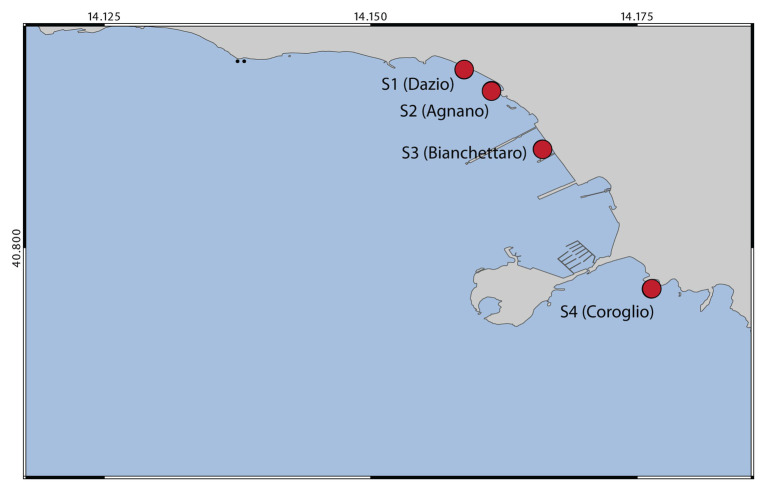
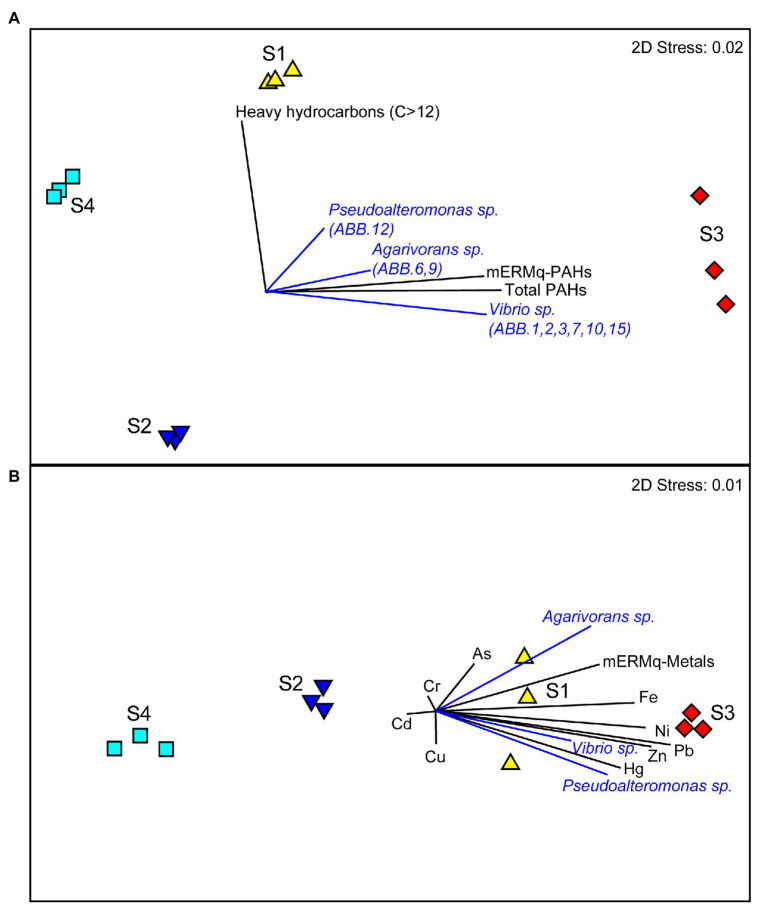
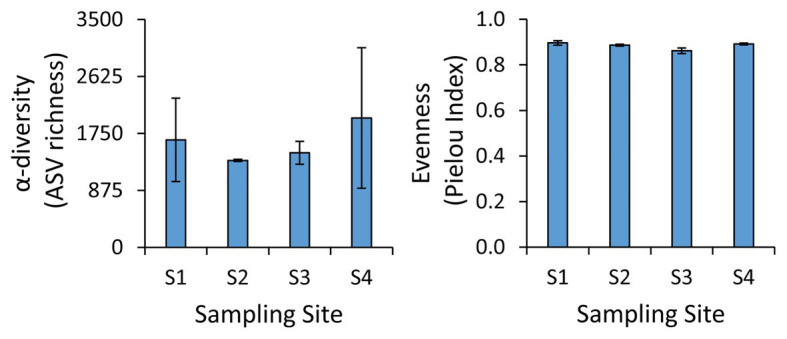
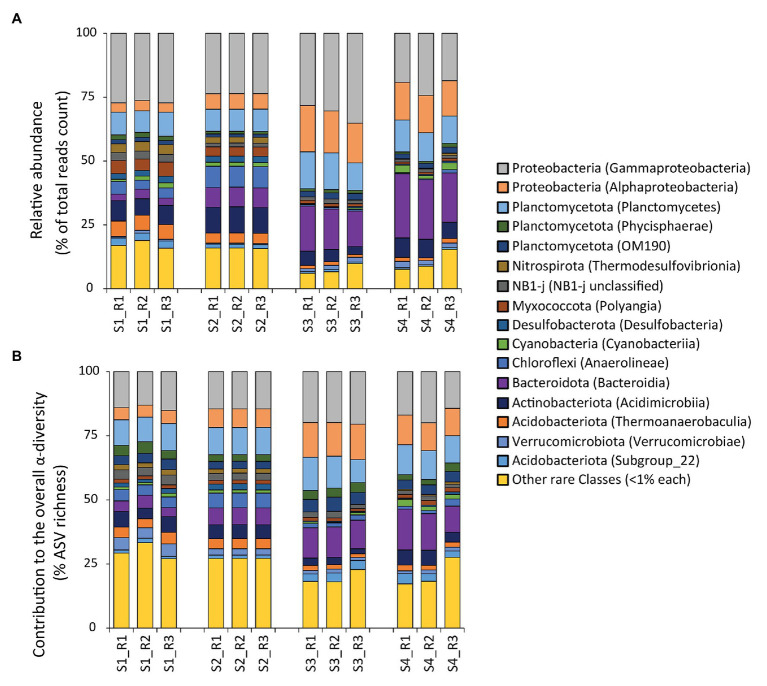
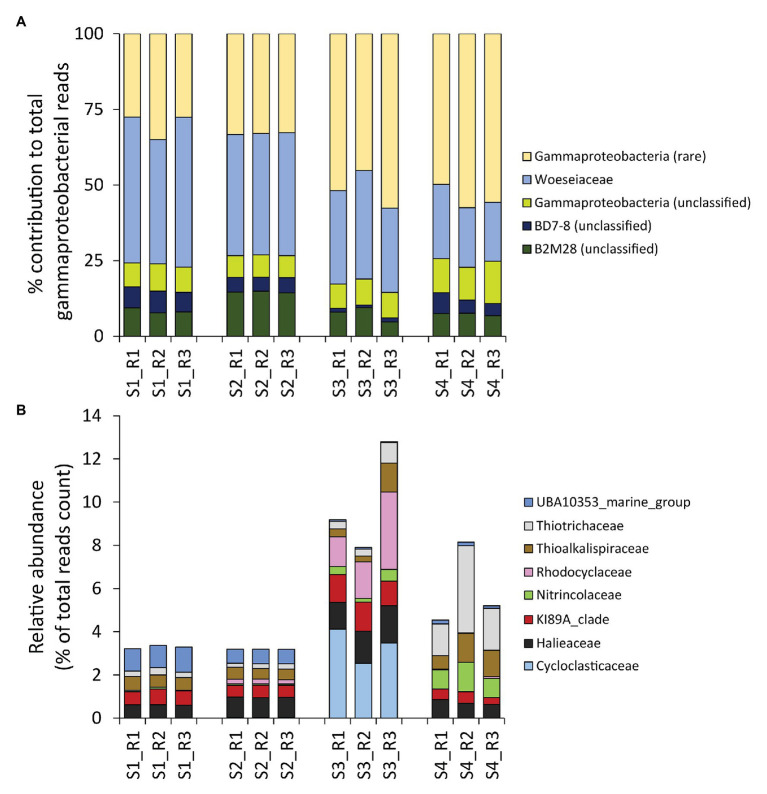
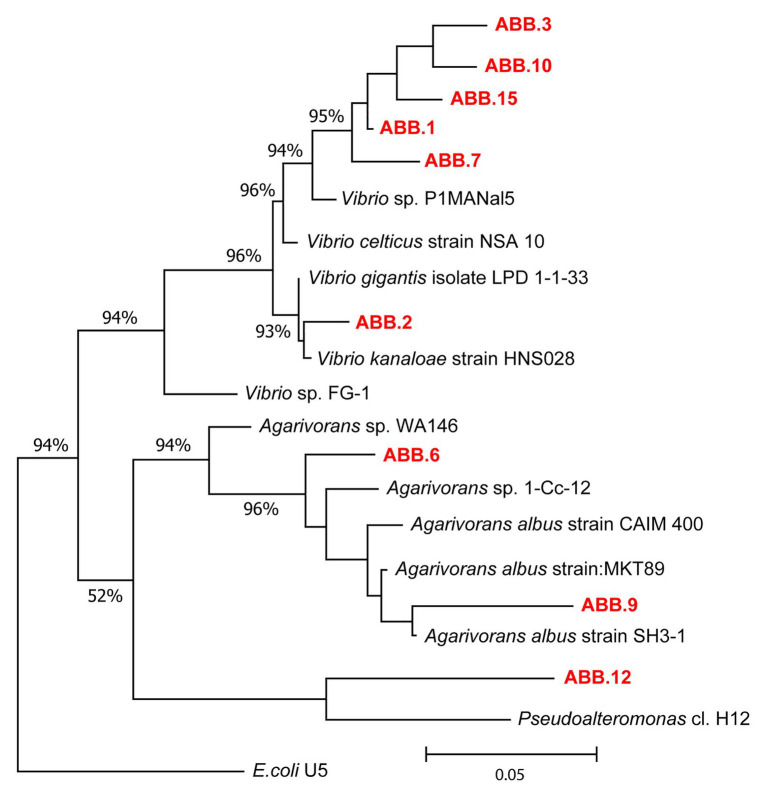
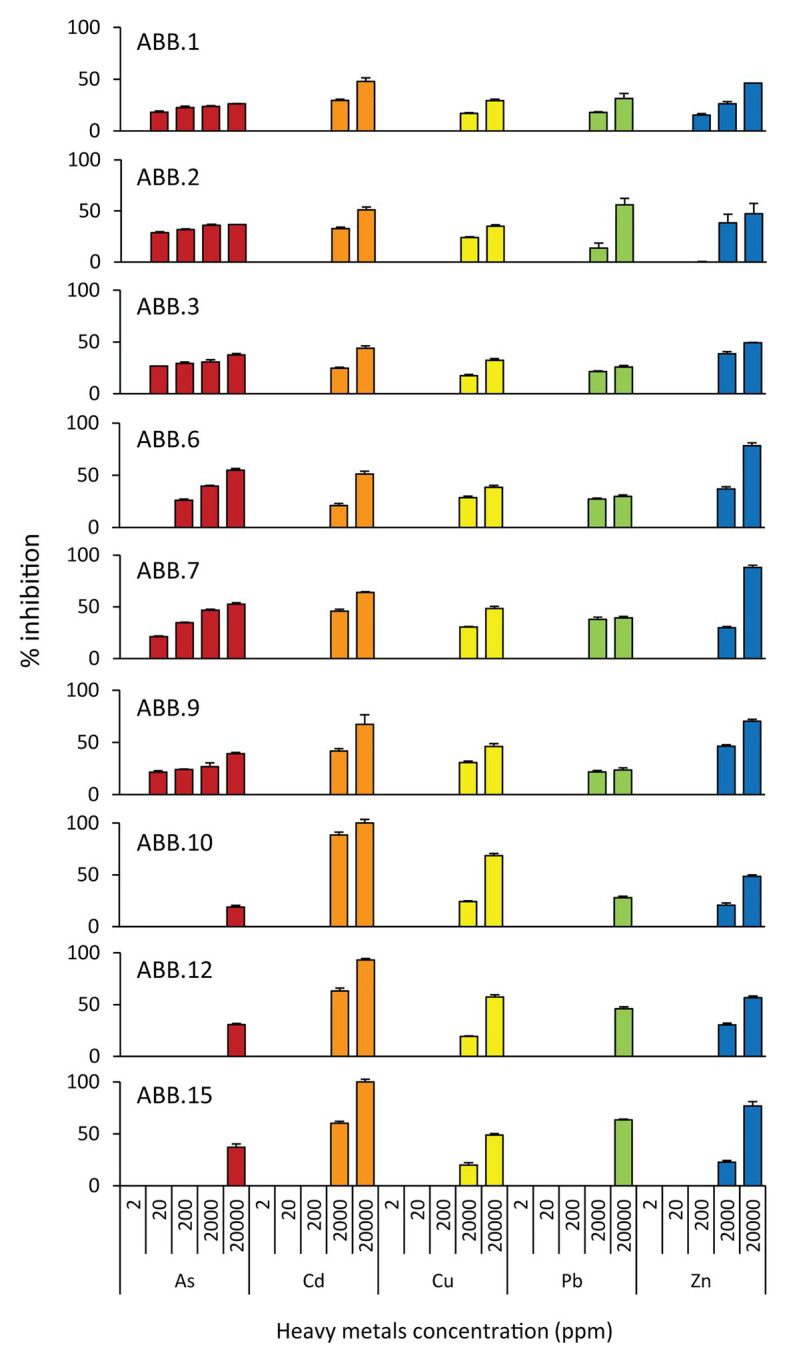
Coastal areas impacted by high anthropogenic pressures typically display sediment contamination by polycyclic aromatic hydrocarbons (PAHs) and heavy metals (HMs). Microbial-based bioremediation represents a promising strategy for sediment reclamation, yet it frequently fails due to poor knowledge of the diversity and dynamics of the autochthonous microbial assemblages and to the inhibition of the target microbes in the contaminated matrix. In the present study, we used an integrated approach including a detailed environmental characterization, high-throughput sequencing and culturing to identify autochthonous bacteria with bioremediation potential in the sediments of Bagnoli-Coroglio (Gulf of Naples, Mediterranean Sea), a coastal area highly contaminated by PAHs, aliphatic hydrocarbons and HMs. The analysis of the benthic prokaryotic diversity showed that the distribution of the dominant taxon (Gammaproteobacteria) was mainly influenced by PAHs, As, and Cd concentrations. The other abundant taxa (including Alphaproteobacteria, Deltaproteobacteria, Bacteroidetes, Acidobacteria, Actinobacteria, NB1-j, Desulfobacterota, and Myxococcota) were mainly driven by sediment grain size and by Cu and Cr concentrations, while the rare taxa (i.e., each contributing <1%) by As and aliphatic hydrocarbons concentrations and by sediment redox potential. These results suggest a differential response of bacterial taxa to environmental features and chemical contamination and those different bacterial groups may be inhibited or promoted by different contaminants. This hypothesis was confirmed by culturing and isolating 80 bacterial strains using media highly enriched in PAHs, only nine of which were contextually resistant to high HM concentrations. Such resistant isolates represented novel Gammaproteobacteria strains affiliated to , , and , which were only scarcely represented in their original assemblages. These findings suggest that rare but culturable bacterial strains resistant/tolerant to high levels of mixed contaminants can be promising candidates useful for the reclamation by bioaugmentation strategies of marine sediments that are highly contaminated with PAHs and HMs.
受高人为压力影响的沿海地区通常表现出多环芳烃(PAHs)和重金属(HMs)对沉积物的污染。基于微生物的生物修复是沉积物修复的一种有前景的策略,但由于对本地微生物群落的多样性和动态了解不足,以及受污染基质中目标微生物受到抑制,该策略常常失败。在本研究中,我们采用了一种综合方法,包括详细的环境表征、高通量测序和培养,以鉴定巴尼奥利 - 科罗廖(那不勒斯湾,地中海)沉积物中具有生物修复潜力的本地细菌,该沿海地区受到PAHs、脂肪烃和HMs的高度污染。对底栖原核生物多样性的分析表明,优势分类群(γ-变形菌纲)的分布主要受PAHs、砷和镉浓度的影响。其他丰富的分类群(包括α-变形菌纲、δ-变形菌纲、拟杆菌门、酸杆菌门、放线菌门、NB1-j、脱硫杆菌门和粘球菌门)主要受沉积物粒度以及铜和铬浓度的驱动,而稀有分类群(即每个分类群的贡献率<1%)则受砷和脂肪烃浓度以及沉积物氧化还原电位的驱动。这些结果表明细菌分类群对环境特征和化学污染有不同的反应,不同的细菌群体可能受到不同污染物的抑制或促进。通过使用高度富集PAHs的培养基培养和分离80株细菌菌株,证实了这一假设,其中只有9株同时对高浓度的重金属具有抗性。这些抗性分离株代表了隶属于、和的新型γ-变形菌纲菌株,它们在原始群落中的占比很少。这些发现表明,对高浓度混合污染物具有抗性/耐受性的稀有但可培养的细菌菌株,可能是通过生物强化策略修复受PAHs和HMs高度污染的海洋沉积物的有前景的候选菌株。