Institute of Biology, Biotechnology and Environmental Protection, Faculty of Natural Sciences, University of Silesia in Katowice, 40-007 Katowice, Poland.
Int J Mol Sci. 2020 Sep 14;21(18):6733. doi: 10.3390/ijms21186733.
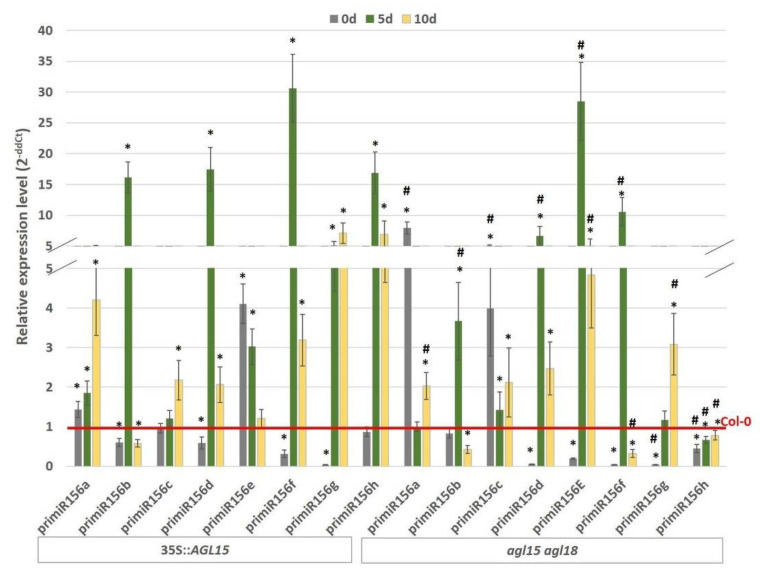
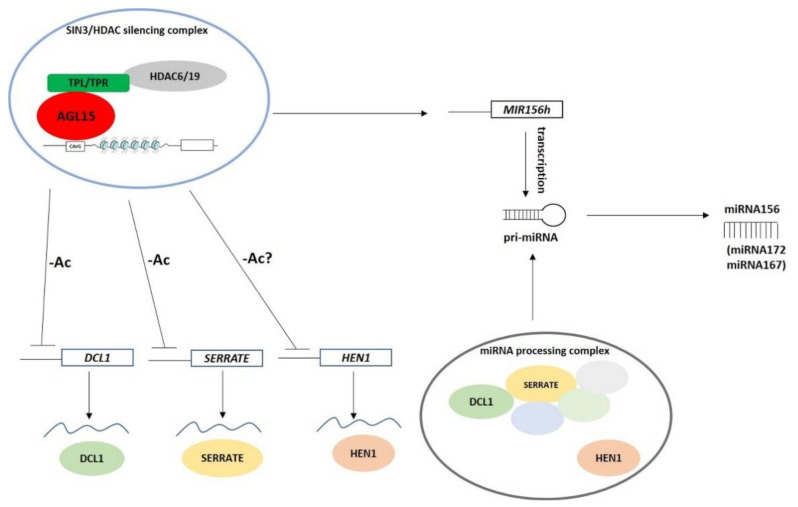
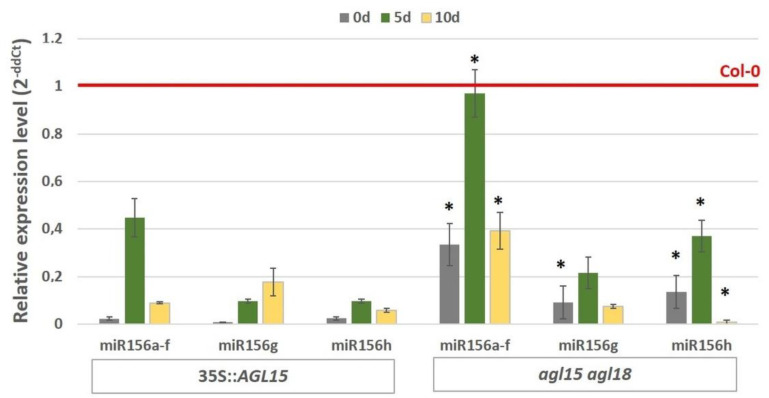
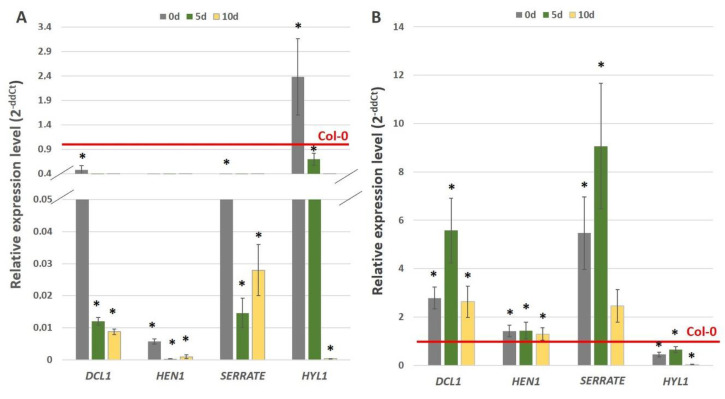
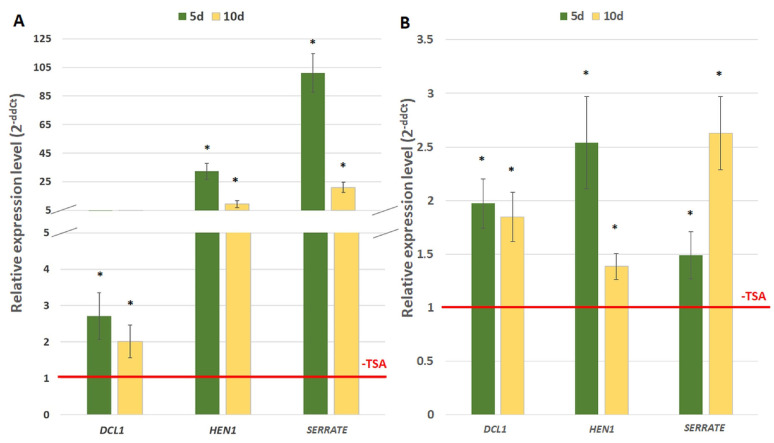
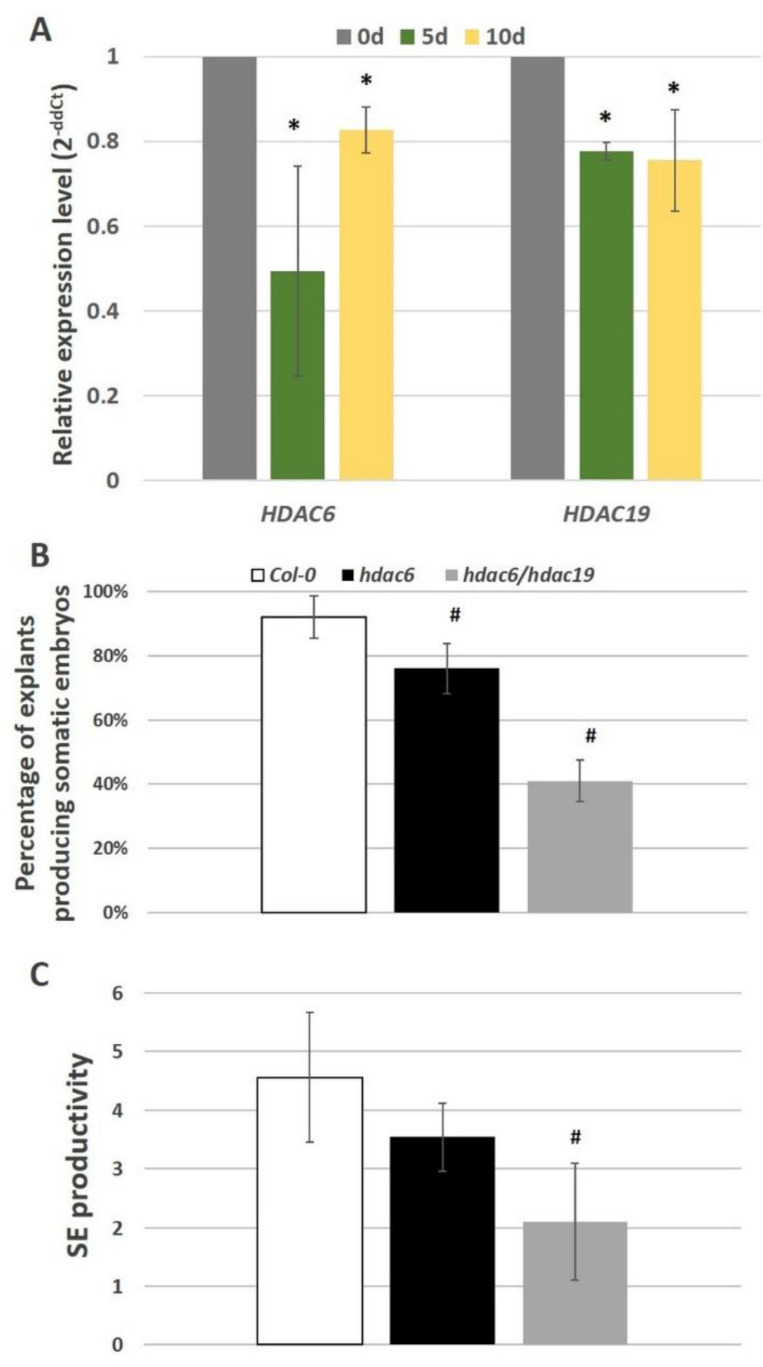
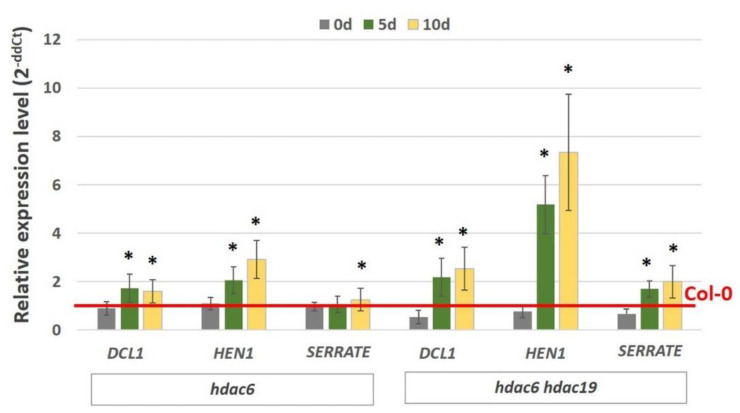
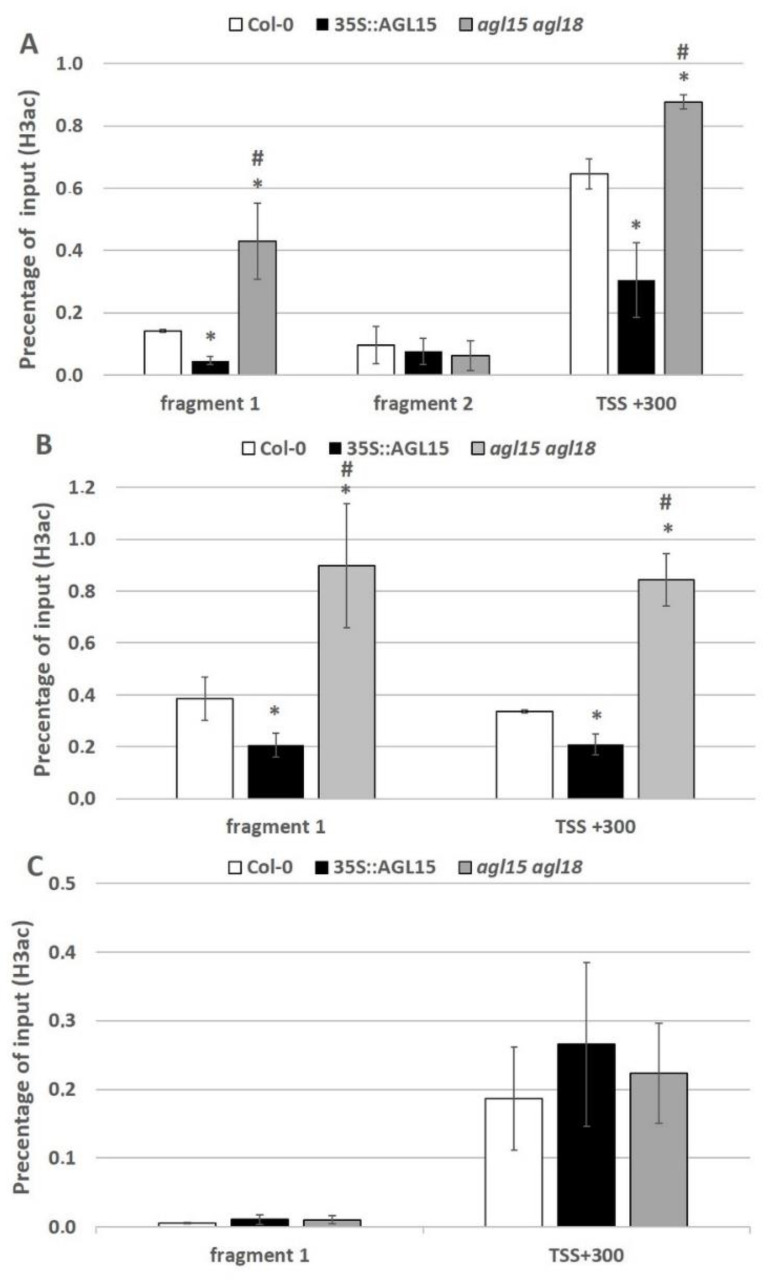
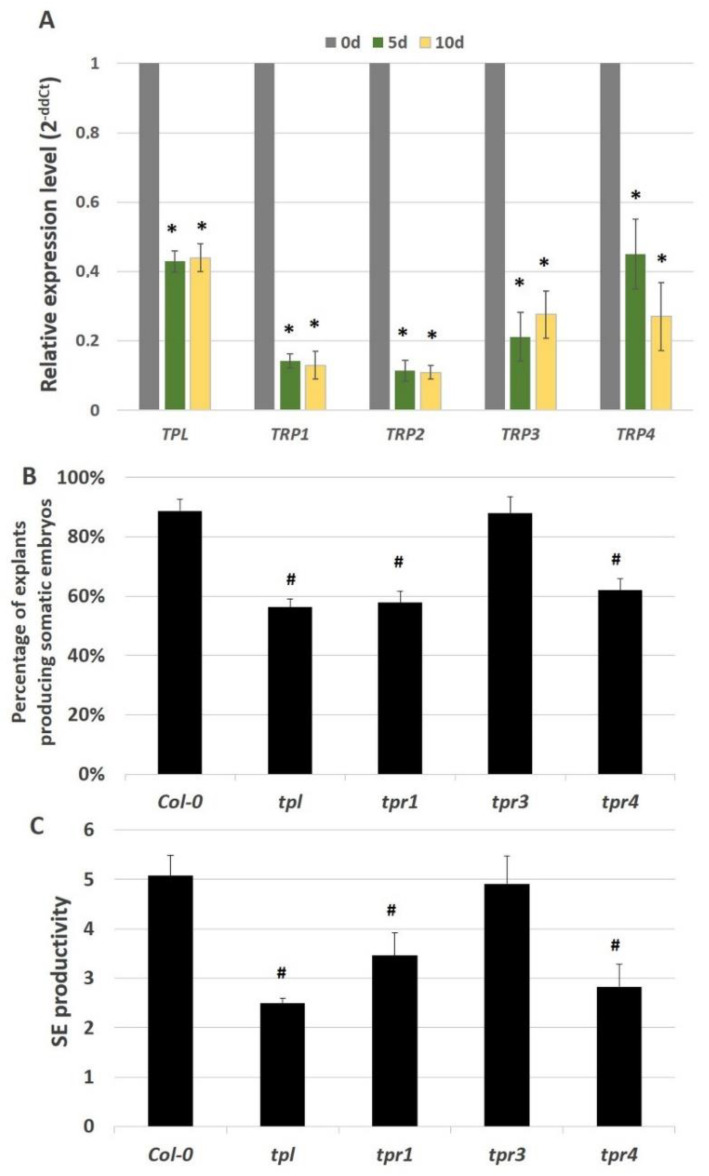
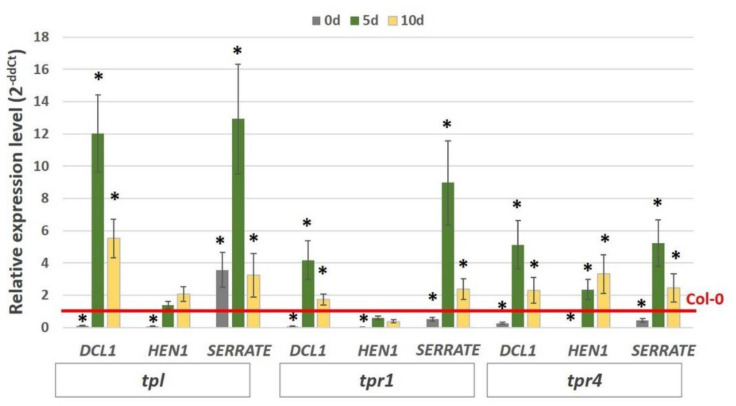
The embryogenic transition of somatic cells requires an extensive reprogramming of the cell transcriptome. Relevantly, the extensive modulation of the genes that have a regulatory function, in particular the genes encoding the transcription factors (TFs) and miRNAs, have been indicated as controlling somatic embryogenesis (SE) that is induced in vitro in the somatic cells of plants. Identifying the regulatory relationships between the TFs and miRNAs during SE induction is of central importance for understanding the complex regulatory interplay that fine-tunes a cell transcriptome during the embryogenic transition. Hence, here, we analysed the regulatory relationships between AGL15 (AGAMOUS-LIKE 15) TF and miR156 in an embryogenic culture of Arabidopsis. Both and miR156 control SE induction and AGL15 has been reported to target the genes . The results showed that AGL15 contributes to the regulation of miR156 in an embryogenic culture at two levels that involve the activation of the transcription and the containment of the abundance of mature miR156 by repressing the miRNA biogenesis genes (DICER-LIKE1), and (HUA-ENHANCER1). To repress the miRNA biogenesis genes AGL15 seems to co-operate with the TOPLESS co-repressors (TPL and TPR1-4), which are components of the SIN3/HDAC silencing complex. The impact of TSA (trichostatin A), an inhibitor of the HDAC histone deacetylases, on the expression of the miRNA biogenesis genes together with the ChIP results implies that histone deacetylation is involved in the AGL15-mediated repression of miRNA processing. The results indicate that HDAC6 and HDAC19 histone deacetylases might co-operate with AGL15 in silencing the complex that controls the abundance of miR156 during embryogenic induction. This study provides new evidence about the histone acetylation-mediated control of the miRNA pathways during the embryogenic reprogramming of plant somatic cells and the essential role of AGL15 in this regulatory mechanism.
体细胞的胚胎发生转变需要对细胞转录组进行广泛的重编程。相关地,对具有调节功能的基因(特别是编码转录因子(TFs)和 miRNA 的基因)的广泛调节已被表明控制体外诱导的植物体细胞胚胎发生(SE)。在 SE 诱导过程中鉴定 TF 和 miRNA 之间的调节关系对于理解精细调节细胞转录组的复杂调节相互作用至关重要胚胎发生转变。因此,在这里,我们分析了拟南芥胚胎发生培养中 AGL15(AGAMOUS-LIKE 15)TF 和 miR156 之间的调节关系。和 miR156 都控制 SE 的诱导,并且已经报道 AGL15 靶向 基因。结果表明,AGL15 通过两种途径参与胚胎发生培养中 miR156 的调节,这两种途径涉及激活 转录和通过抑制 miRNA 生物发生基因 (DICER-LIKE1)、 和 (HUA-ENHANCER1)来控制成熟 miR156 的丰度。为了抑制 miRNA 生物发生基因,AGL15 似乎与 TOPLESS 共抑制因子(TPL 和 TPR1-4)合作,后者是 SIN3/HDAC 沉默复合物的组成部分。HDAC 组蛋白去乙酰化酶抑制剂 TSA(曲古抑菌素 A)对 miRNA 生物发生基因表达的影响以及 ChIP 结果表明,组蛋白去乙酰化参与 AGL15 介导的 miRNA 加工抑制。结果表明,HDAC6 和 HDAC19 组蛋白去乙酰化酶可能与 AGL15 合作,沉默在胚胎发生诱导过程中控制 miR156 丰度的复合物。这项研究提供了关于植物体细胞胚胎发生重编程过程中 miRNA 途径的组蛋白乙酰化介导控制的新证据,以及 AGL15 在这种调节机制中的重要作用。