Center for Clinical Research and Prevention, Frederiksberg Hospital, Capital Region of Denmark, Copenhagen, Denmark.
Department of Psychology, University of Copenhagen, Copenhagen, Denmark.
PLoS One. 2020 Sep 17;15(9):e0239208. doi: 10.1371/journal.pone.0239208. eCollection 2020.
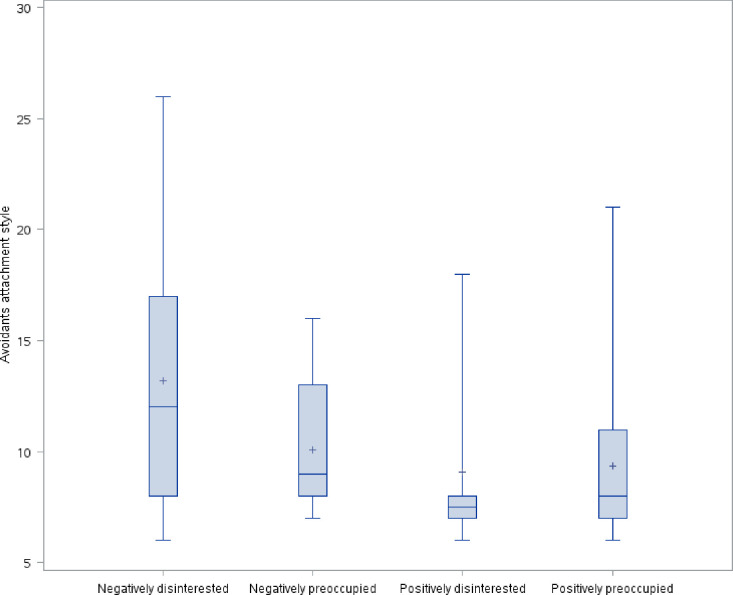
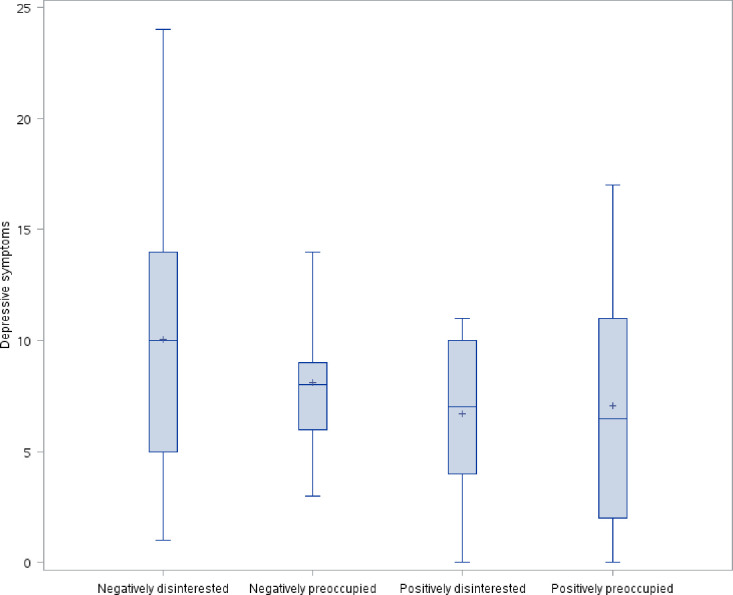
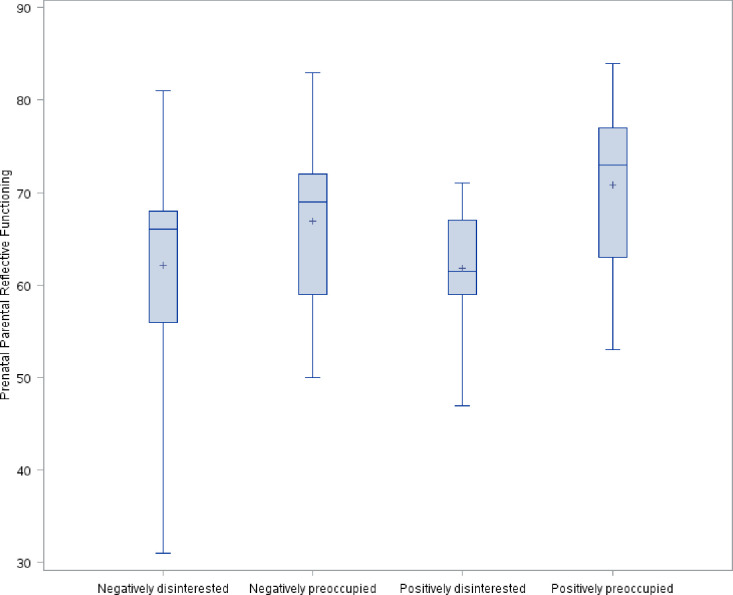
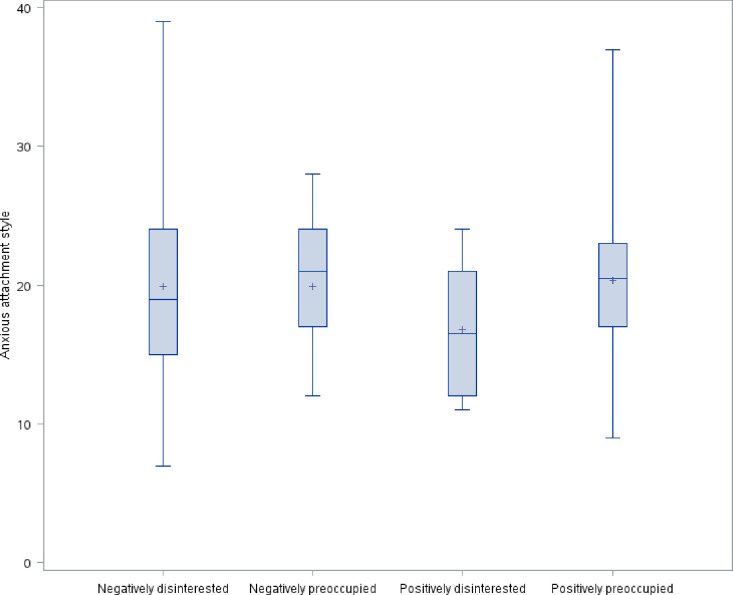
Pregnancy offers a unique period for initiating preventive parenting interventions. Disturbances in maternal-fetal bonding may indicate suboptimal parenting and a need for intervention. However, more knowledge is needed on the development of maternal-fetal bonding among at-risk groups. The study aim was to examine psychosocial correlates of maternal-fetal bonding among pregnant women identified to be at risk socially and regarding their mental health. The sample consisted of 78 at-risk pregnant women participating in a perinatal intervention study: Godt på Vej Sammen [A Good Start to Life-an Early Cross-sectorial Intervention]. This study was cross-sectional reporting on the baseline characteristics of the participants. In the beginning of the second trimester, participants completed questionnaires assessing maternal-fetal bonding (the Maternal Antenatal Attachment Scale [MAAS]), prenatal parental reflective functioning, adult attachment style, and depressive symptoms. We compared the distribution of MAAS styles with norms from a recent Dutch community sample. In addition, we tested associations between psychosocial variables and the quality and intensity of MAAS scores in regression models and performed Chi-square analyses to assess the association of MAAS styles with psychosocial variables. First, compared to women from a community sample, approximately half of the women in our sample presented lower and suboptimal MAAS scores. Second, insecure avoidant adult attachment style was negatively associated with MAAS intensity, and depressive symptoms were negatively associated with MAAS quality. Third, prenatal parental reflective functioning positively correlated with both quality and intensity of MAAS. Fourth, we found no association between insecure anxious adult attachment style and MAAS scores. Fifth, women with a negative disinterested MAAS style demonstrated the highest avoidant attachment scores, while women with a positively preoccupied MAAS style demonstrated the highest prenatal parental reflective functioning scores. The results suggest that there is a need to differentiate among at-risk pregnant woman and that prenatal screening using the MAAS may help identify those who need preventive parenting interventions and what those interventions should focus on. A main limitation of the study is the lack of a representative group of at-risk pregnant women which limits the generalizability of the study results to all risk groups.
妊娠为启动预防性育儿干预提供了一个独特的时期。母婴联系的障碍可能表明育儿方式不佳,需要进行干预。然而,我们需要更多关于高危人群母婴联系发展的知识。本研究旨在探讨社会风险和心理健康高危孕妇的母婴联系的心理社会相关因素。样本由 78 名高危孕妇组成,他们参加了一项围产期干预研究:Godt på Vej Sammen [A Good Start to Life-an Early Cross-sectorial Intervention]。本研究是横断面报告参与者的基线特征。在妊娠中期开始时,参与者完成了评估母婴联系(母亲产前依恋量表 [MAAS])、产前父母反射功能、成人依恋风格和抑郁症状的问卷。我们将 MAAS 风格的分布与最近荷兰社区样本的常模进行了比较。此外,我们在回归模型中测试了心理社会变量与 MAAS 评分的质量和强度之间的关联,并进行了卡方分析,以评估 MAAS 风格与心理社会变量的关联。首先,与社区样本中的女性相比,我们样本中的大约一半女性的 MAAS 评分较低,属于不理想状态。其次,不安全回避型成人依恋风格与 MAAS 强度呈负相关,抑郁症状与 MAAS 质量呈负相关。第三,产前父母反射功能与 MAAS 的质量和强度均呈正相关。第四,我们没有发现不安全焦虑型成人依恋风格与 MAAS 评分之间存在关联。第五,具有消极不感兴趣 MAAS 风格的女性表现出最高的回避型依恋得分,而具有积极的全神贯注 MAAS 风格的女性表现出最高的产前父母反射功能得分。研究结果表明,需要对高危孕妇进行区分,使用 MAAS 进行产前筛查可能有助于确定需要预防性育儿干预的人群以及干预的重点。本研究的一个主要局限性是缺乏代表性的高危孕妇群体,这限制了研究结果在所有风险群体中的普遍性。