Napolitano Gaetana, Fasciolo Gianluca, Salbitani Giovanna, Venditti Paola
Dipartimento di Scienze e Tecnologie, Università degli Studi di Napoli Parthenope, via Acton n. 38, I-80133 Napoli, Italy.
Dipartimento di Biologia, Università di Napoli Federico II, Complesso Universitario Monte Sant'Angelo, Via Cinthia, I-80126 Napoli, Italia.
Antioxidants (Basel). 2020 Sep 17;9(9):883. doi: 10.3390/antiox9090883.
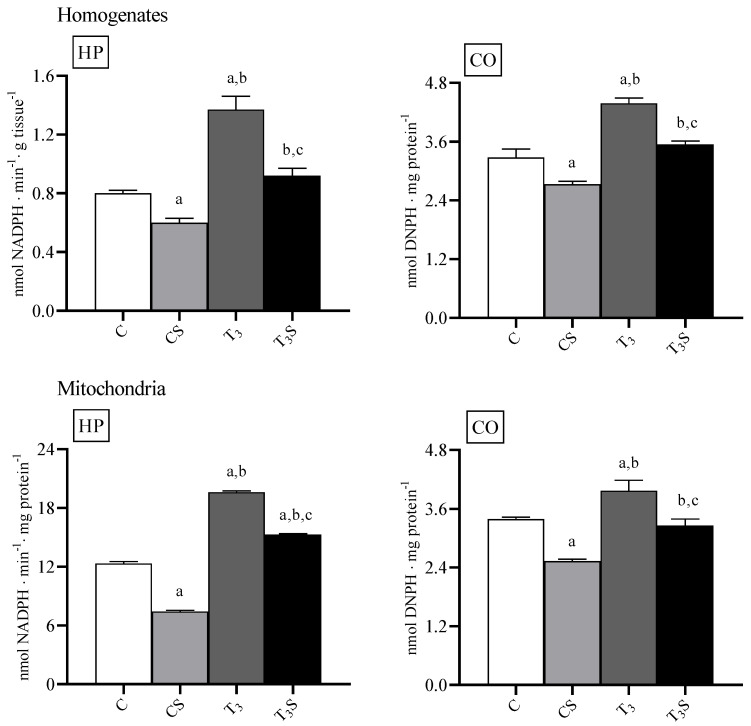
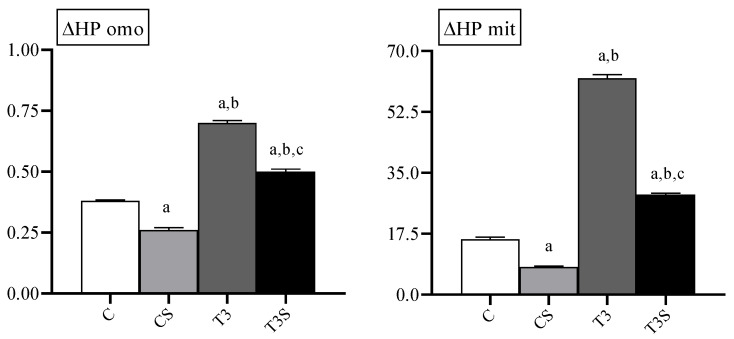
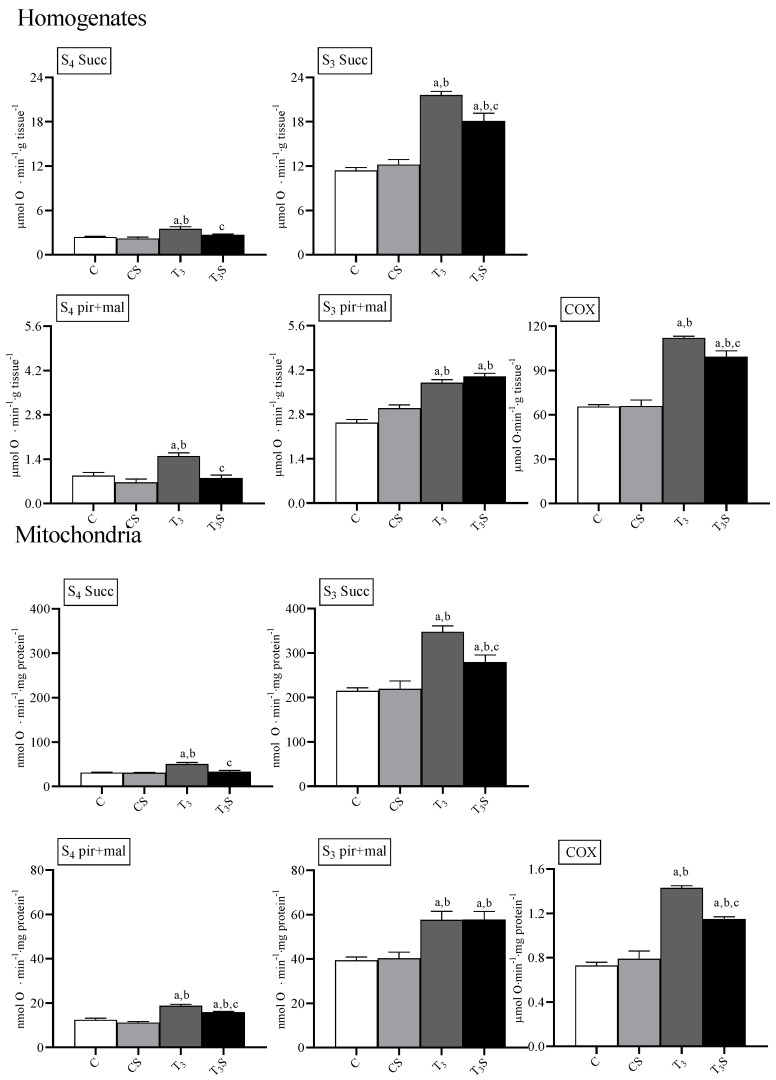
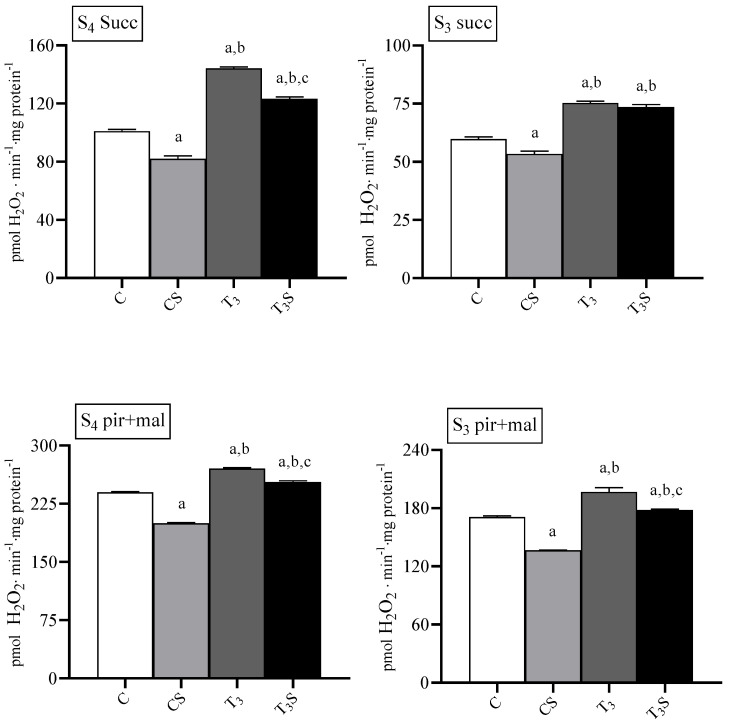
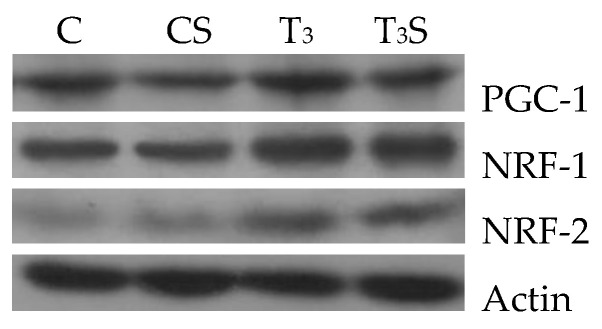
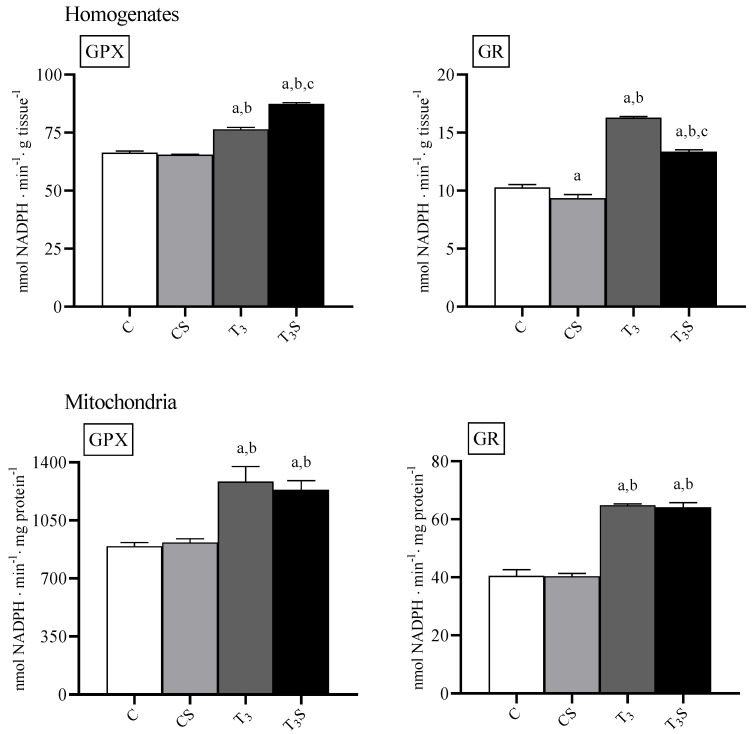
The ability of aerobic organisms to cope with the attack of radicals and other reactive oxygen species improves by feeding on foods containing antioxidants. Microalgae contain many molecules showing in vitro antioxidant capacity, and their food consumption can protect cells from oxidative insults. We evaluated the capacity of dietary supplementation with 1% dried strain 211/8k, an alga rich in glutathione, α-tocopherol, and carotenoids, to counteract an oxidative attack in vivo. We used the hyperthyroid rat as a model of oxidative stress, in which the increase in metabolic capacities is associated with an increase in the release of mitochondrial reactive oxygen species (ROS) and the susceptibility to oxidative insult. supplementation prevents the increases in oxidative stress markers and basal oxygen consumption in hyperthyroid rat livers. It also mitigates the thyroid hormone-induced increase in maximal aerobic capacities, the mitochondrial ROS release, and the susceptibility to oxidative stress. Finally, alga influences the thyroid hormone-induced changes in the factors involved in mitochondrial biogenesis peroxisomal proliferator-activated receptor-γ coactivator (PGC1-1) and nuclear respiratory factor 2 (NRF-2). Our results suggest that dietary supplementation has beneficial effects in counteracting oxidative stress and that it works primarily by preserving mitochondrial function. Thus, it can be useful in preventing dysfunctions in which mitochondrial oxidative damage and ROS production play a putative role.
需氧生物通过摄取含有抗氧化剂的食物来提高应对自由基和其他活性氧攻击的能力。微藻含有许多在体外显示出抗氧化能力的分子,食用微藻可以保护细胞免受氧化损伤。我们评估了用1%干燥的211/8k菌株(一种富含谷胱甘肽、α-生育酚和类胡萝卜素的藻类)进行膳食补充以对抗体内氧化攻击的能力。我们使用甲状腺功能亢进大鼠作为氧化应激模型,其中代谢能力的增加与线粒体活性氧(ROS)释放的增加以及对氧化损伤的易感性相关。膳食补充可防止甲状腺功能亢进大鼠肝脏中氧化应激标志物和基础氧消耗的增加。它还减轻了甲状腺激素诱导的最大有氧能力、线粒体ROS释放以及对氧化应激易感性的增加。最后,藻类影响甲状腺激素诱导的参与线粒体生物发生的因子过氧化物酶体增殖物激活受体-γ共激活因子(PGC1-1)和核呼吸因子2(NRF-2)的变化。我们的结果表明,膳食补充在对抗氧化应激方面具有有益作用,并且其主要作用是通过维持线粒体功能来实现的。因此,它可用于预防线粒体氧化损伤和ROS产生可能起作用的功能障碍。