Yang Wen, Liu Yue, Xu Qing-Qing, Xian Yan-Fang, Lin Zhi-Xiu
School of Chinese Medicine, Faculty of Medicine, The Chinese University of Hong Kong, Shatin, N.T., Hong Kong SAR, China.
Cardiovascular Disease Centre, Xiyuan Hospital of China Academy of Chinese Medical Sciences, Beijing, China.
Oxid Med Cell Longev. 2020 Sep 10;2020:4754195. doi: 10.1155/2020/4754195. eCollection 2020.
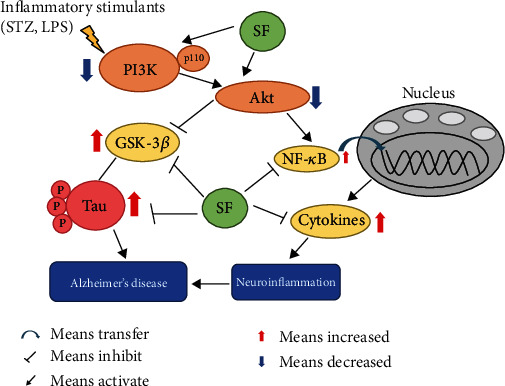
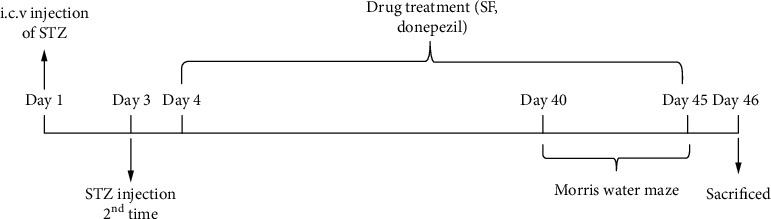
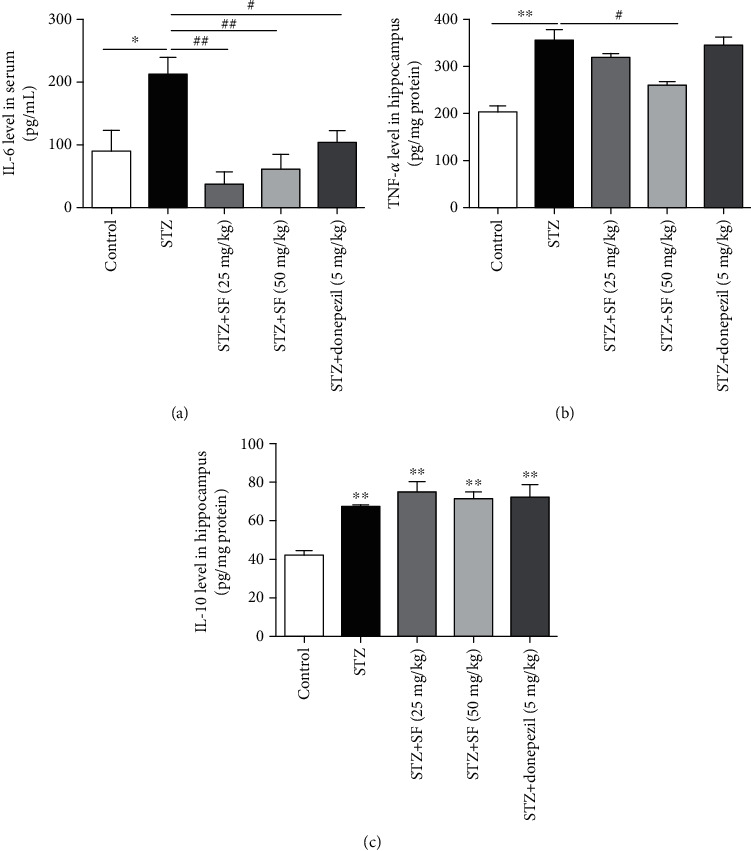
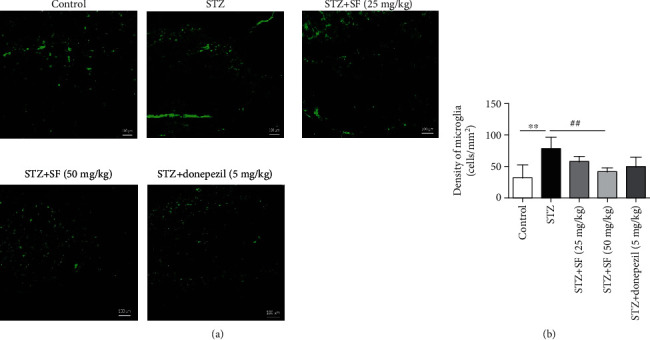
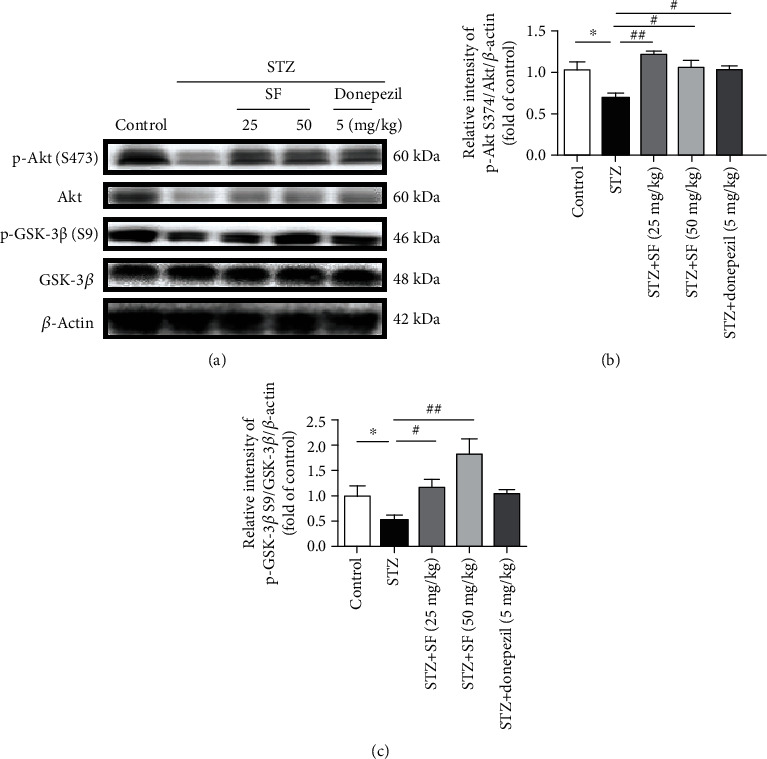
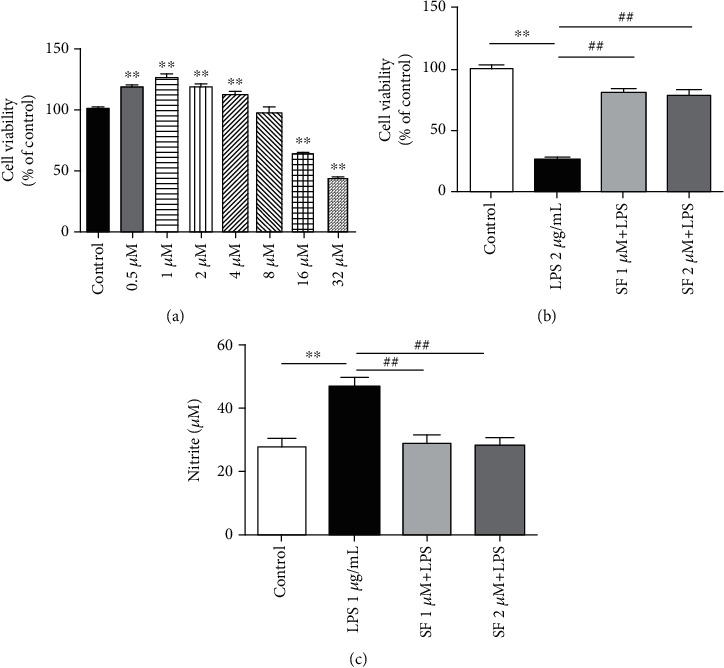
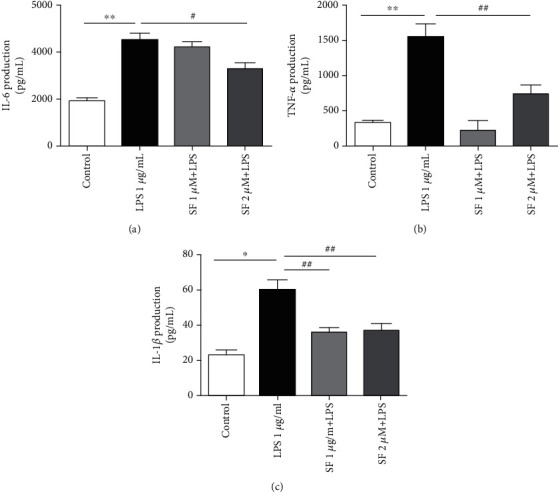
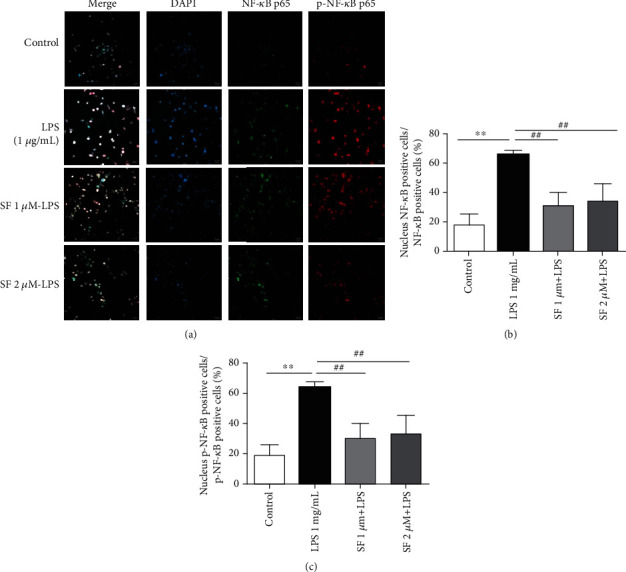
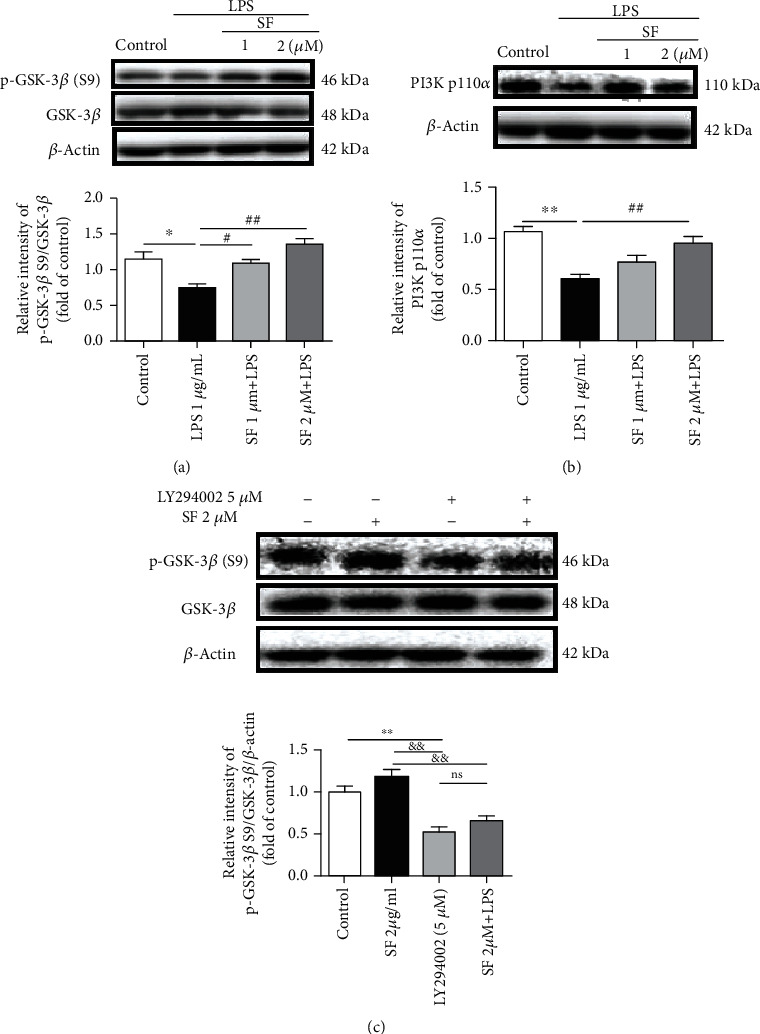
Alzheimer's disease (AD) is the most common form of dementia characterized by progressive loss of cognitive functions due to neuronal death mainly in the hippocampal and cortical brain. Sulforaphene (SF) is one of the main isothiocyanates isolated from a Chinese herb Raphani Semen. In this study, we aimed to investigate the neuroprotective effects of SF using and models of AD. Streptozotocin (STZ) was intracranially injected into the rats; then, SF (25 and 50 mg/kg) was given orally once a day for 6 consecutive weeks. After drug treatment, the cognitive functions were assessed using the Morris Water Maze Test (MWMT). After the MWMT, the rats were euthanized and brain tissues were collected. In the test, BV-2 microglia were pretreated with SF (1 and 2 M) for 1 h and then stimulated with lipopolysaccharide (LPS) for another 23 h. Both molecular and histological methods were used to unravel the action mechanisms and elucidate the signaling pathway. The MWMT results showed that SF treatment significantly improved the STZ-induced cognitive deficits in rats. SF treatment markedly suppressed the production of tumor necrosis factor- (TNF-) and interleukin-6 (IL-6) but increased the release of IL-10 in the STZ-treated rats. In addition, SF significantly inhibited the phosphorylation of tau protein at Thr205, Ser396, and Ser404 sites, while enhancing the ratios of p-Akt (Ser473)/Akt and p-GSK-3 (Ser9)/GSK-3 in the hippocampus of the STZ-treated rats. On the other hand, SF (1 and 2 M) treatment also markedly attenuated the cytotoxicity induced by LPS in BV-2 cells. In addition, SF treatment obviously suppressed the releases of nitric oxide (NO), TNF-, and IL-6 in the LPS-stimulated BV-2 cells. Moreover, SF treatment significantly mitigated the nuclear translocation of p-NF-B p65 and the ratio of p-GSK-3 (Ser9)/GSK-3 in LPS-stimulated BV-2 cells. Taken together, SF possessed neuroprotective effects against the STZ-induced cognitive deficits in rats and LPS-induced neuroinflammation in BV-2 cells via modulation of the PI3K/Akt/GSK-3 pathway and inhibition of the NF-B activation, suggesting that SF is a promising neuroprotective agent worthy of further development into AD treatment.
阿尔茨海默病(AD)是最常见的痴呆形式,其特征是主要由于海马体和大脑皮质中的神经元死亡导致认知功能逐渐丧失。萝卜硫素(SF)是从中药莱菔子中分离出的主要异硫氰酸盐之一。在本研究中,我们旨在使用AD的[具体模型1]和[具体模型2]模型研究SF的神经保护作用。将链脲佐菌素(STZ)颅内注射到大鼠体内;然后,每天口服一次SF(25和50mg/kg),连续6周。药物治疗后,使用莫里斯水迷宫试验(MWMT)评估认知功能。MWMT试验后,对大鼠实施安乐死并收集脑组织。在[具体试验]中,BV-2小胶质细胞用SF(1和2μM)预处理1小时,然后用脂多糖(LPS)再刺激23小时。采用分子和组织学方法来揭示作用机制并阐明信号通路。MWMT结果表明,SF治疗显著改善了STZ诱导的大鼠认知缺陷。SF治疗显著抑制了STZ处理大鼠中肿瘤坏死因子-(TNF-)和白细胞介素-6(IL-6)的产生,但增加了IL-10的释放。此外,SF显著抑制了tau蛋白在Thr205、Ser396和Ser404位点的磷酸化,同时提高了STZ处理大鼠海马体中p-Akt(Ser473)/Akt和p-GSK-3(Ser9)/GSK-3的比值。另一方面,SF(1和2μM)处理也显著减轻了LPS诱导的BV-2细胞的细胞毒性。此外,SF处理明显抑制了LPS刺激的BV-2细胞中一氧化氮(NO)、TNF-和IL-6的释放。此外,SF处理显著减轻了LPS刺激的BV-2细胞中p-NF-κB p65的核转位以及p-GSK-3(Ser9)/GSK-3的比值。综上所述,SF通过调节PI3K/Akt/GSK-3通路和抑制NF-κB激活,对STZ诱导的大鼠认知缺陷和LPS诱导的BV-2细胞神经炎症具有神经保护作用,表明SF是一种有前途的神经保护剂,值得进一步开发用于AD治疗。