Ferguson John Kenneth, Joseph Jacklyn, Kangapu Samson, Zoleveke Hilda, Townell Nicola, Duke Trevor, Manning Laurens, Lavu Evelyn
School of Biomedical Sciences and Pharmacy, University of Newcastle, Callaghan, Australia.
Port Moresby General Hospital, Port Moresby, Papua New Guinea.
Western Pac Surveill Response J. 2020 Feb 20;11(1):41-46. doi: 10.5365/wpsar.2018.9.3.004. eCollection 2020 Jan-Mar.
Emerging bacterial antimicrobial (antibiotic) resistance (AMR) is a global threat to human health. However, most lower income countries do not have microbiological diagnostic testing for prompt, reliable confirmation of bloodstream infection and identification of AMR.
Clinicians in Pacific island nations are increasingly challenged by patients who have infection due to antimicrobial-resistant bacteria. Treatment of infection remains empirical because of a lack of diagnostic testing capacity and may follow guidelines that were formulated without reference to local measures of AMR prevalence. There is limited understanding among clinicians of microbiology testing and test interpretation.
Examine the lessons learnt from pilot laboratory development programmes in two Pacific island nations that focused on establishing standard procedures for micrological diagnostics and antimicrobial susceptibility testing (AST) and on improving the training of clinicians to increase their use of laboratory services.
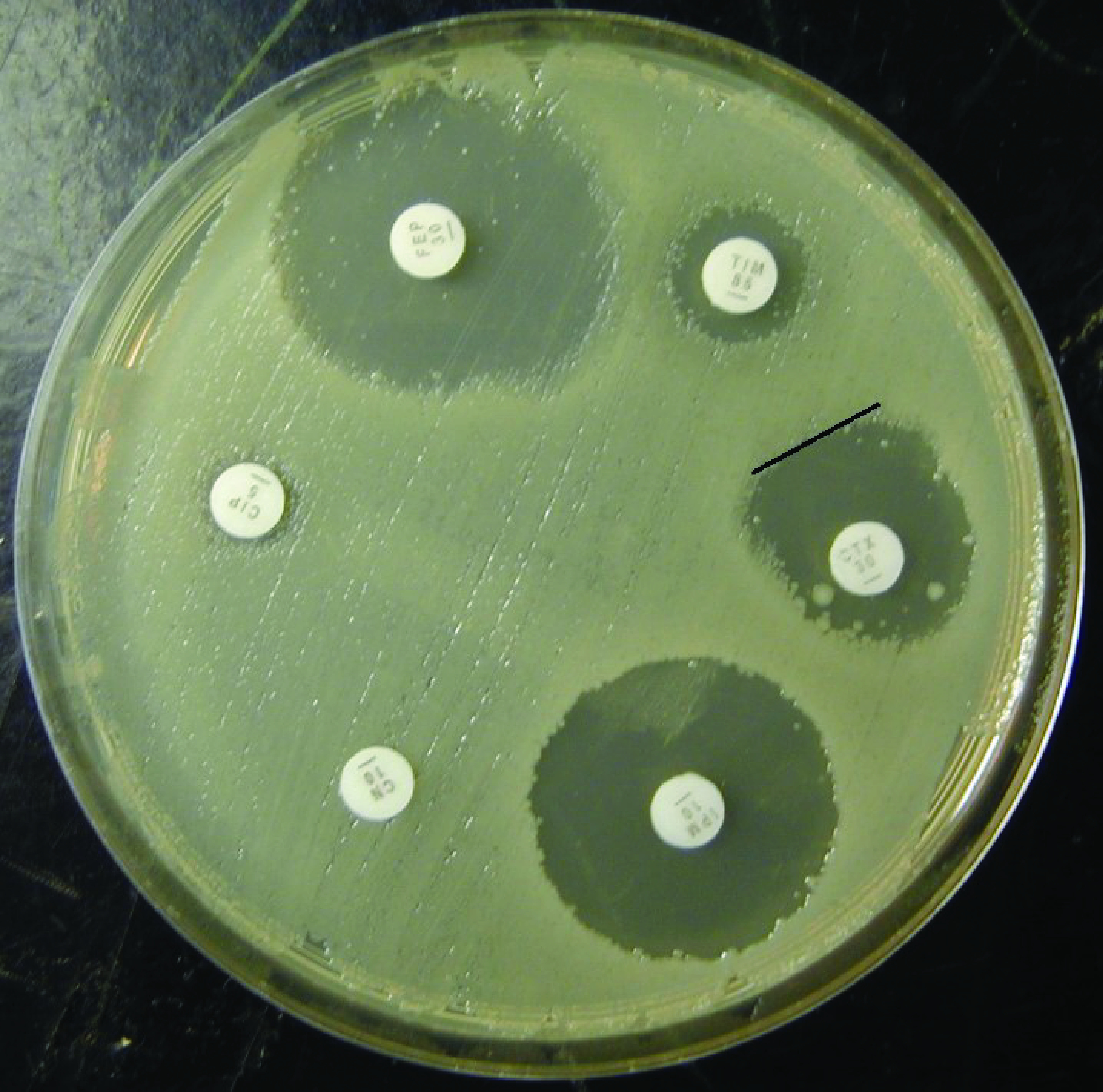
The pilot programmes addressed a range of logistical difficulties and evaluated two blood culture systems. They also examined and improved internal QC implementation and evaluated the prevalence of AMR.
Continued development of microbiological diagnostic capability in the Pacific region is paramount. Pacific Island nations need to develop the capability of at least one central laboratory to culture AMR pathogens and subject them to quality-controlled AST or arrange for suitable referral to a nearby country.
This study demonstrated a persistently high prevalence of three major bacterial STIs across four countries in WHO's Western Pacific Region during nearly two decades. Further strengthening of strategies to control and prevent STIs is warranted.
新出现的细菌对抗菌药物(抗生素)的耐药性(AMR)是对人类健康的全球威胁。然而,大多数低收入国家没有微生物诊断检测来迅速、可靠地确认血流感染并识别AMR。
太平洋岛国的临床医生越来越受到耐抗菌药物细菌感染患者的挑战。由于缺乏诊断检测能力,感染的治疗仍然是经验性的,并且可能遵循在制定时未参考当地AMR流行情况的指南。临床医生对微生物检测和检测结果解读的了解有限。
研究从两个太平洋岛国的试点实验室发展项目中吸取的经验教训,这些项目侧重于建立微生物诊断和抗菌药物敏感性测试(AST)的标准程序,以及改善临床医生的培训以增加他们对实验室服务的使用。
试点项目解决了一系列后勤困难,并评估了两种血培养系统。他们还检查并改进了内部质量控制的实施情况,并评估了AMR的流行情况。
太平洋地区微生物诊断能力的持续发展至关重要。太平洋岛国需要发展至少一个中央实验室培养AMR病原体并对其进行质量控制的AST的能力,或者安排转诊到附近合适的国家。
这项研究表明,在近二十年中,世卫组织西太平洋区域四个国家的三种主要细菌性传播感染的流行率一直居高不下。有必要进一步加强控制和预防性传播感染的策略。