Lin Jialiang, Yin Qingqing, Chen Binlong, Zhang Haoran, Mei Dong, Fu Jijun, He Bing, Zhang Hua, Dai Wenbing, Wang Xueqing, Wang Yiguang, Zhang Qiang
Beijing Key Laboratory of Molecular Pharmaceutics and New Drug Delivery Systems, School of Pharmaceutical Sciences, Peking University, Beijing 100191, China.
School of Pharmaceutical Science, Guangzhou Medical University, Guangzhou 511436, China.
Acta Pharm Sin B. 2020 Aug;10(8):1549-1562. doi: 10.1016/j.apsb.2019.12.017. Epub 2020 Jan 3.
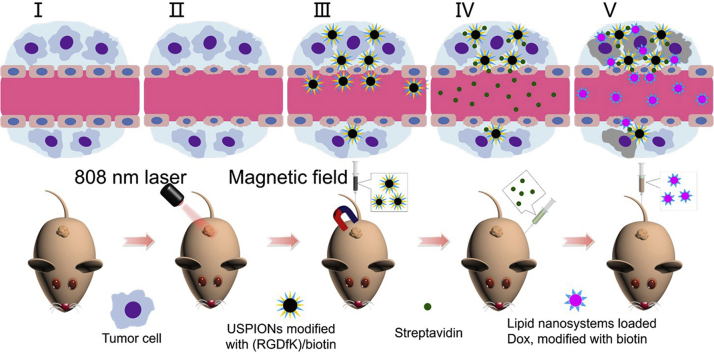
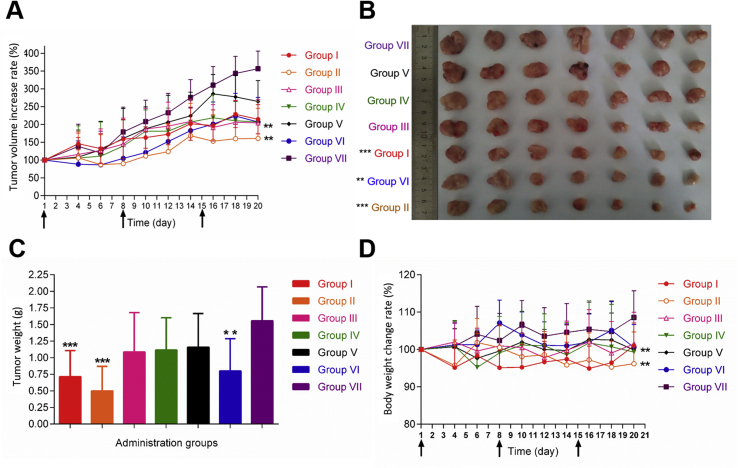
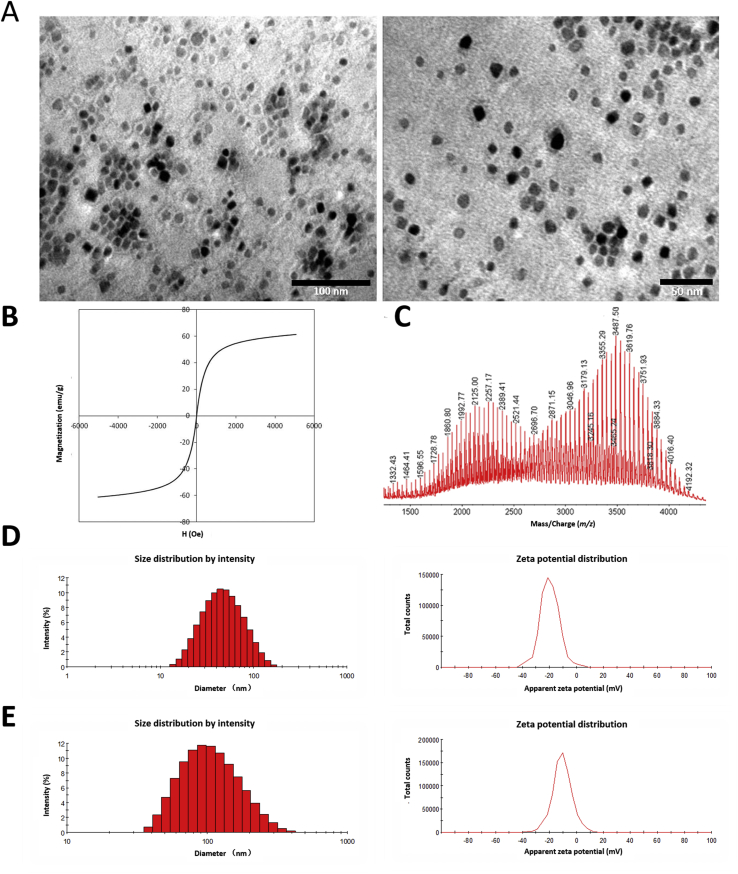
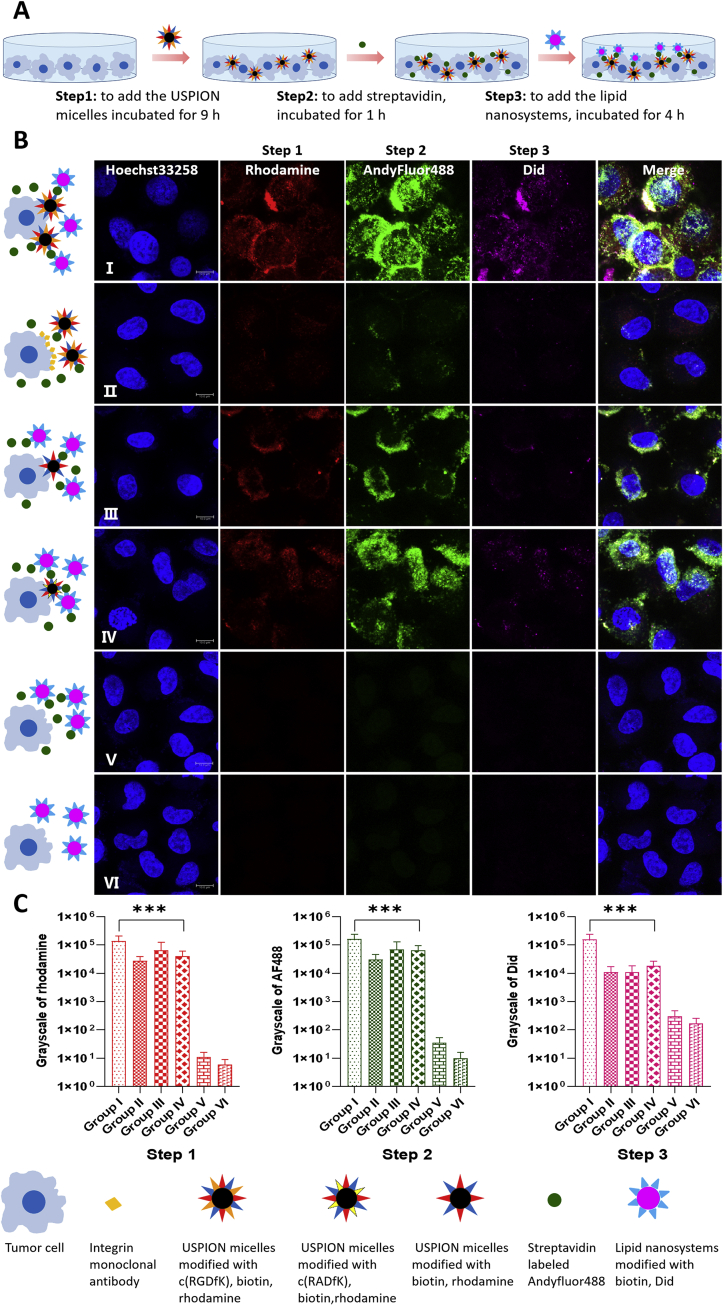
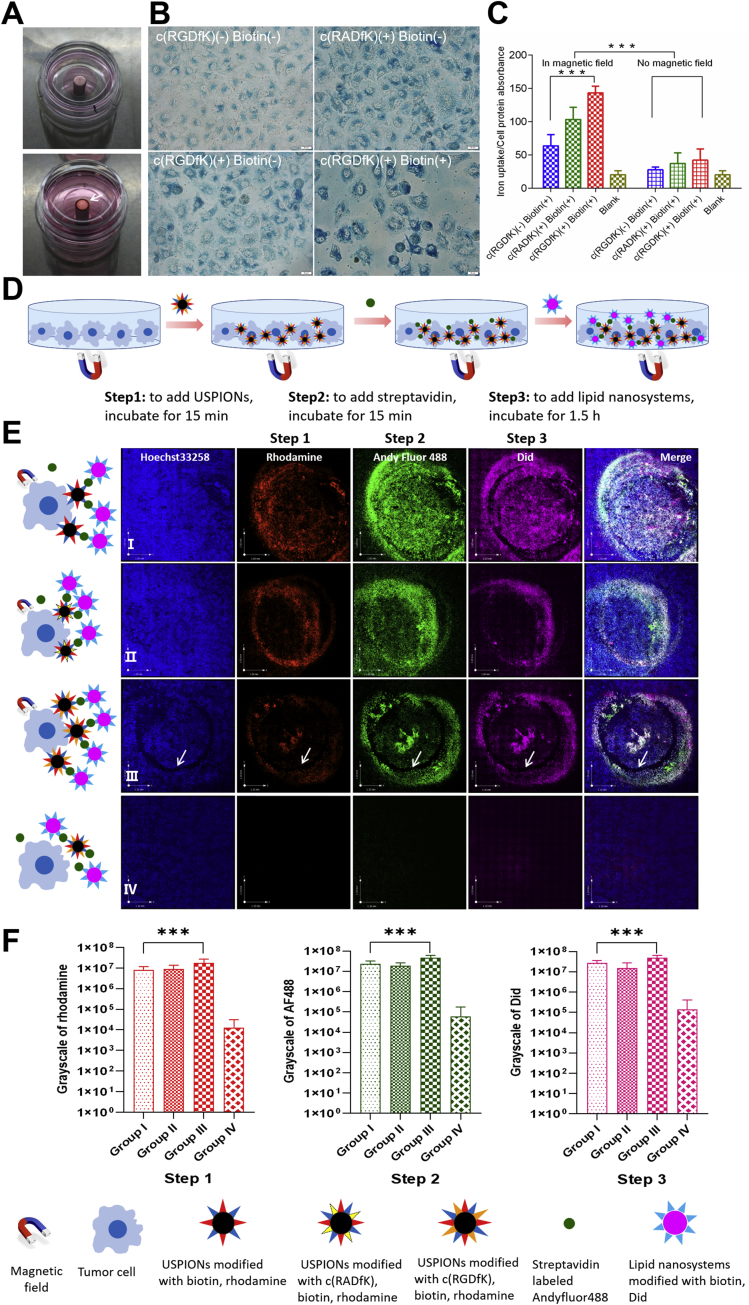
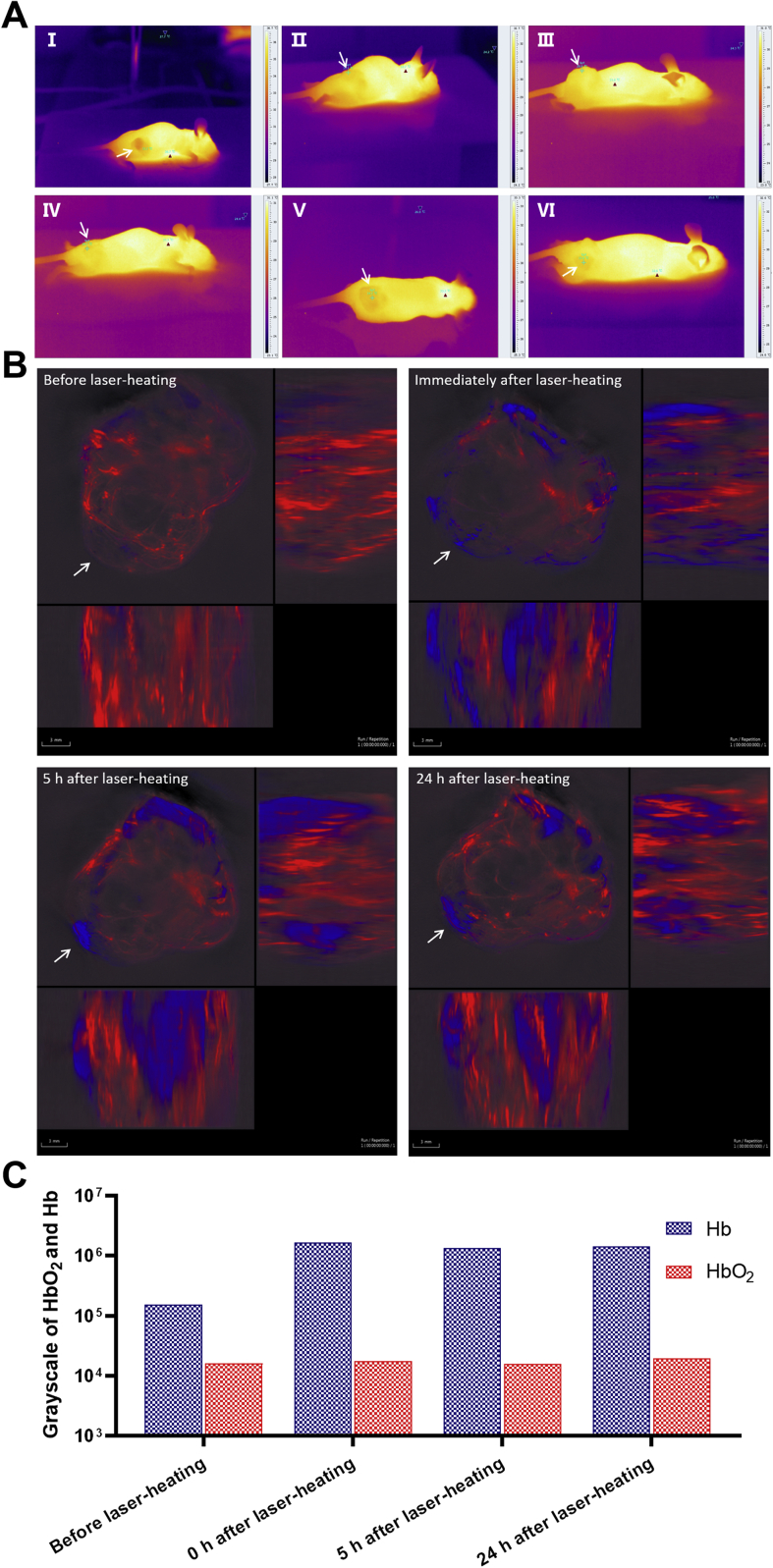
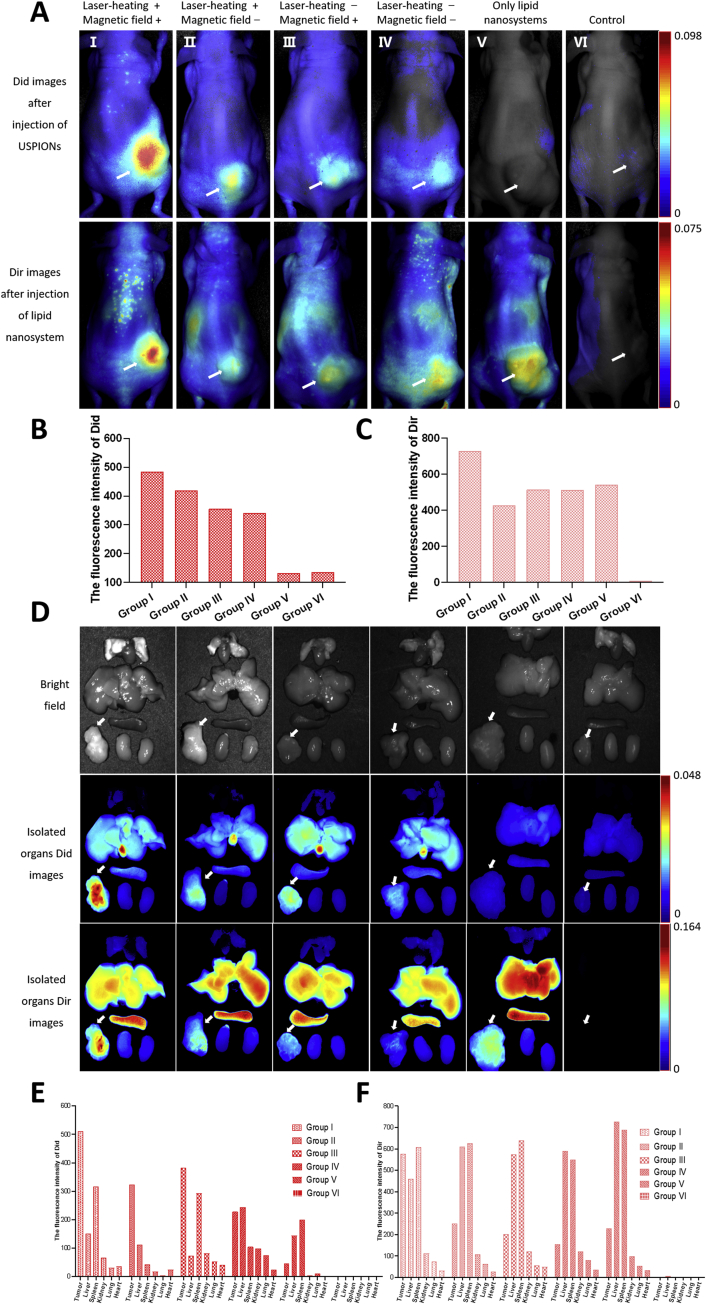
Although high-efficiency targeted delivery is investigated for years, the efficiency of tumor targeting seems still a hard core to smash. To overcome this problem, we design a three-step delivery strategy based on streptavidin-biotin interaction with the help of c(RGDfK), magnetic fields and lasers. The ultrasmall superparamagnetic iron oxide nanoparticles (USIONPs) modified with c(RGDfK) and biotin are delivered at step 1, followed by streptavidin and the doxorubicin (Dox) loaded nanosystems conjugated with biotin at steps 2 and 3, respectively. The delivery systems were proved to be efficient on A549 cells. The co-localization of signal for each step revealed the targeting mechanism. The external magnetic field could further amplify the endocytosis of USPIONs based on c(RGDfK), and magnify the uptake distinctions among different test groups. Based on photoacoustic imaging, laser-heating treatment could enhance the permeability of tumor venous blood vessels and change the insufficient blood flow in cancer. Then, it was noticed that only three-step delivery with laser-heating and magnetic fields realized the highest tumor distribution of nanosystem. Finally, the magnetism/laser-auxiliary cascaded delivery exhibited the best antitumor efficacy. Generally, this study demonstrated the necessity of combining physical, biological and chemical means of targeting.
尽管多年来一直在研究高效靶向递送,但肿瘤靶向效率似乎仍是一个难以攻克的核心问题。为克服这一问题,我们借助c(RGDfK)、磁场和激光,基于链霉亲和素-生物素相互作用设计了一种三步递送策略。在第一步中递送用c(RGDfK)和生物素修饰的超小超顺磁性氧化铁纳米颗粒(USIONPs),随后在第二步和第三步中分别递送链霉亲和素以及与生物素缀合的负载阿霉素(Dox)的纳米系统。已证明该递送系统对A549细胞有效。每一步信号的共定位揭示了靶向机制。外部磁场可基于c(RGDfK)进一步放大USPIONs的内吞作用,并扩大不同测试组之间的摄取差异。基于光声成像,激光加热处理可增强肿瘤静脉血管的通透性并改变癌症中血流不足的情况。然后,人们注意到只有结合激光加热和磁场的三步递送实现了纳米系统在肿瘤中的最高分布。最后,磁/激光辅助级联递送表现出最佳的抗肿瘤疗效。总体而言,本研究证明了结合物理、生物和化学靶向手段的必要性。