Department of Otorhinolaryngology, Head and Neck Surgery, University Hospital Heidelberg, Ruprecht-Karls-University, Im Neuenheimer Feld 400, 69120, Heidelberg, Germany.
GESIS-Leibniz-Institute for the Social Sciences, Mannheim, Germany.
Eur Arch Otorhinolaryngol. 2021 May;278(5):1645-1651. doi: 10.1007/s00405-020-06374-0. Epub 2020 Sep 22.
The study aimed to determine normative values for the Tonsillectomy Outcome Inventory 14 (TOI-14) in a healthy middle-European cohort. We also compared these generated values with TOI-14 scores from a patient population with recurrent tonsillitis (RT) and explored the factorial structure of the TOI-14.
We systematically studied the responses of healthy individuals (reference cohort) and patients with RT (clinical cohort) to the TOI-14 survey. The reference cohort contained 1000 participants, who were recruited using the Respondi panel for market and social science research. This subsample was quoted to the population distribution of the German Microcensus and selected from a non-probability panel. Tonsillitis patients were assessed before and 6 and 12 months after tonsillectomy. Data were analysed using principal component and exploratory factor analyses.
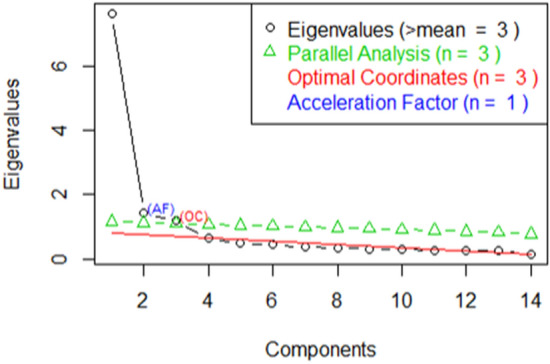
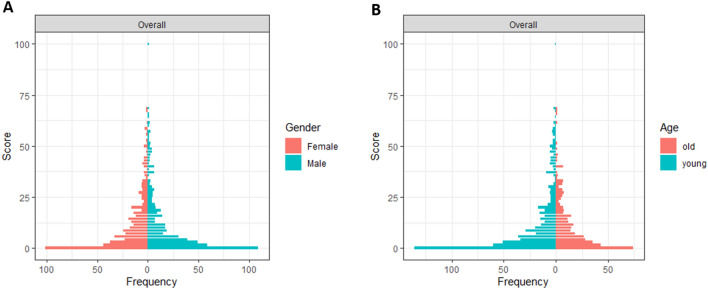
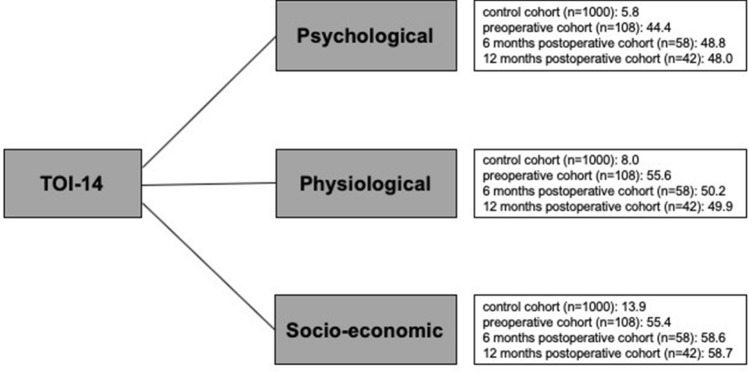
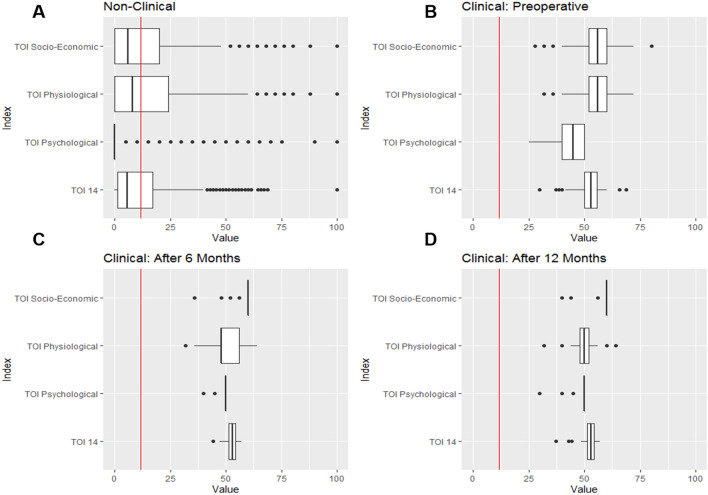
The PCA revealed three TOI-14 domains (physiological, psychological and socio-economic), which explained 73% of the total variance. The reference cohort perceived a good quality of life (QOL) with a TOI-14 total score of 11.8 (physiological: 8.0, psychological: 5.8, and socio-economic subscale score: 13.9). TOI-14 scores were higher in the patient cohort, indicating that the TOI-14 discriminates between patients with RT and healthy individuals with no RT. Age and female gender significantly influenced the total TOI-14 score, especially in the psychological (age) and socio-economic (gender) subscales.
We have developed a set of normative values that, together with the TOI-14, can determine the disease burden indicating tonsillectomy.
本研究旨在确定健康中欧人群中扁桃体切除术结果量表 14(TOI-14)的正常值。我们还将这些生成的值与复发性扁桃体炎(RT)患者群体的 TOI-14 评分进行了比较,并探讨了 TOI-14 的因子结构。
我们系统地研究了健康个体(参考队列)和 RT 患者(临床队列)对 TOI-14 调查的反应。参考队列包含 1000 名参与者,他们是通过 Respondi 小组招募的,用于市场和社会科学研究。该子样本引用了德国微型普查的人口分布,并从非概率小组中进行了选择。扁桃体炎患者在扁桃体切除术前和术后 6 个月和 12 个月进行评估。使用主成分和探索性因子分析对数据进行分析。
PCA 显示了 TOI-14 的三个领域(生理、心理和社会经济),这解释了总方差的 73%。参考队列对生活质量(QOL)的感知较好,TOI-14 总分 11.8(生理:8.0,心理:5.8,社会经济子量表得分:13.9)。患者队列的 TOI-14 评分较高,表明 TOI-14 可区分 RT 患者和无 RT 的健康个体。年龄和女性性别对总 TOI-14 评分有显著影响,尤其是在心理(年龄)和社会经济(性别)子量表中。
我们已经制定了一套正常值,这些值与 TOI-14 一起可以确定表明扁桃体切除术的疾病负担。