
两亲性化合物的自组装作为构建纳米尺度药物载体的多功能工具。
Self-Assembly of Amphiphilic Compounds as a Versatile Tool for Construction of Nanoscale Drug Carriers.
机构信息
A.E. Arbuzov Institute of Organic and Physical Chemistry, FRC Kazan Scientific Center of RAS, Arbuzov street 8, Kazan 420088, Russia.
出版信息
Int J Mol Sci. 2020 Sep 22;21(18):6961. doi: 10.3390/ijms21186961.
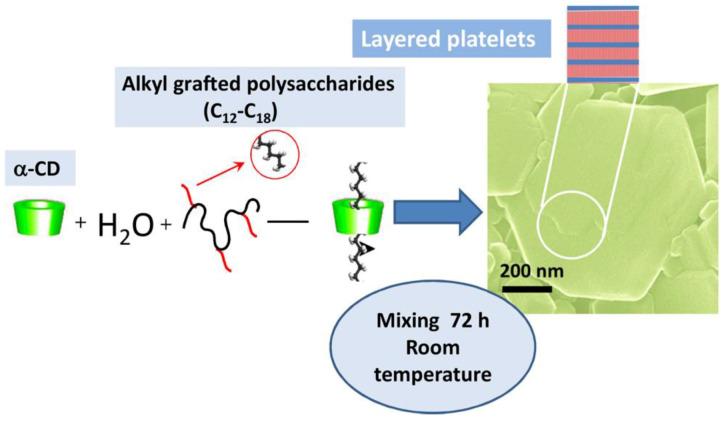
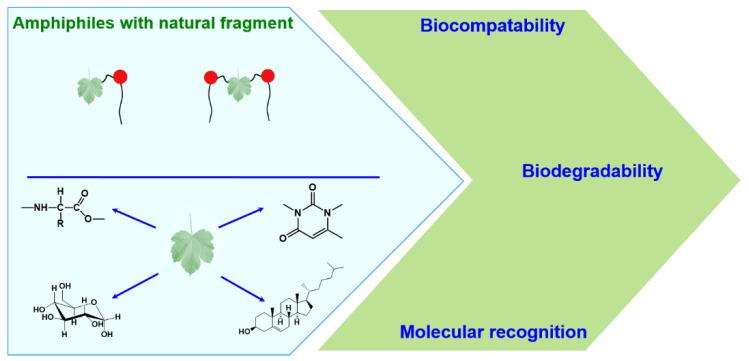
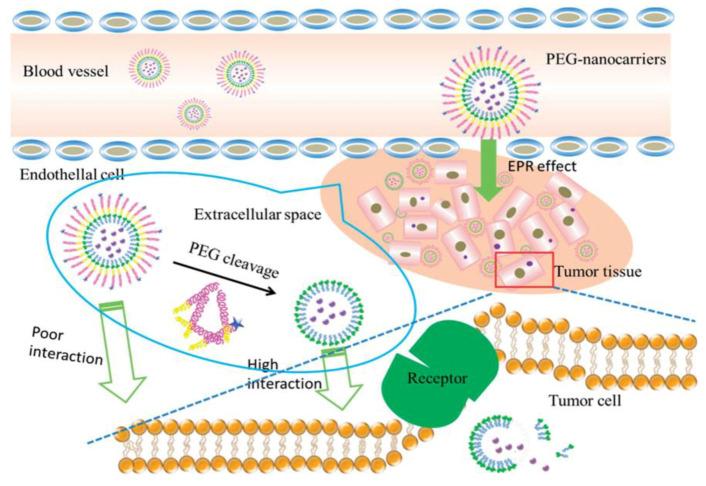
This review focuses on synthetic and natural amphiphilic systems prepared from straight-chain and macrocyclic compounds capable of self-assembly with the formation of nanoscale aggregates of different morphology and their application as drug carriers. Since numerous biological species (lipid membrane, bacterial cell wall, mucous membrane, corneal epithelium, biopolymers, e.g., proteins, nucleic acids) bear negatively charged fragments, much attention is paid to cationic carriers providing high affinity for encapsulated drugs to targeted cells. First part of the review is devoted to self-assembling and functional properties of surfactant systems, with special attention focusing on cationic amphiphiles, including those bearing natural or cleavable fragments. Further, lipid formulations, especially liposomes, are discussed in terms of their fabrication and application for intracellular drug delivery. This section highlights several features of these carriers, including noncovalent modification of lipid formulations by cationic surfactants, pH-responsive properties, endosomal escape, etc. Third part of the review deals with nanocarriers based on macrocyclic compounds, with such important characteristics as mucoadhesive properties emphasized. In this section, different combinations of cyclodextrin platform conjugated with polymers is considered as drug delivery systems with synergetic effect that improves solubility, targeting and biocompatibility of formulations.
这篇综述重点介绍了由直链和大环化合物制备的合成和天然两亲性体系,这些体系能够自组装形成具有不同形态的纳米级聚集体,并将其应用于药物载体。由于许多生物物种(脂质膜、细菌细胞壁、黏膜、角膜上皮、生物聚合物,如蛋白质、核酸)都带有负电荷片段,因此人们非常关注阳离子载体,这些载体为靶向细胞提供了与包裹药物的高亲和力。综述的第一部分介绍了表面活性剂体系的自组装和功能特性,特别关注了带有天然或可裂解片段的阳离子两亲物。此外,还讨论了脂质制剂,特别是脂质体,从其制备和用于细胞内药物递送的角度。本节强调了这些载体的几个特点,包括通过阳离子表面活性剂对脂质制剂进行非共价修饰、pH 响应特性、内涵体逃逸等。综述的第三部分涉及基于大环化合物的纳米载体,强调了其粘弹性等重要特性。在这一部分中,考虑了与聚合物偶联的环糊精平台的不同组合作为药物传递系统,具有协同效应,可提高制剂的溶解度、靶向性和生物相容性。




 Zotero 插件