Hussain Nowair, Chung Emily, Heyl Jonathan J, Hussain Bisma, Oh Michael C, Pinon Candis, Boral Soumya, Chun David, Babu Benson
Medicine, St. John's Episcopal Hospital, New York, USA.
Medicine, Mount Sinai Hospital, New York, USA.
Cureus. 2020 Aug 24;12(8):e10005. doi: 10.7759/cureus.10005.
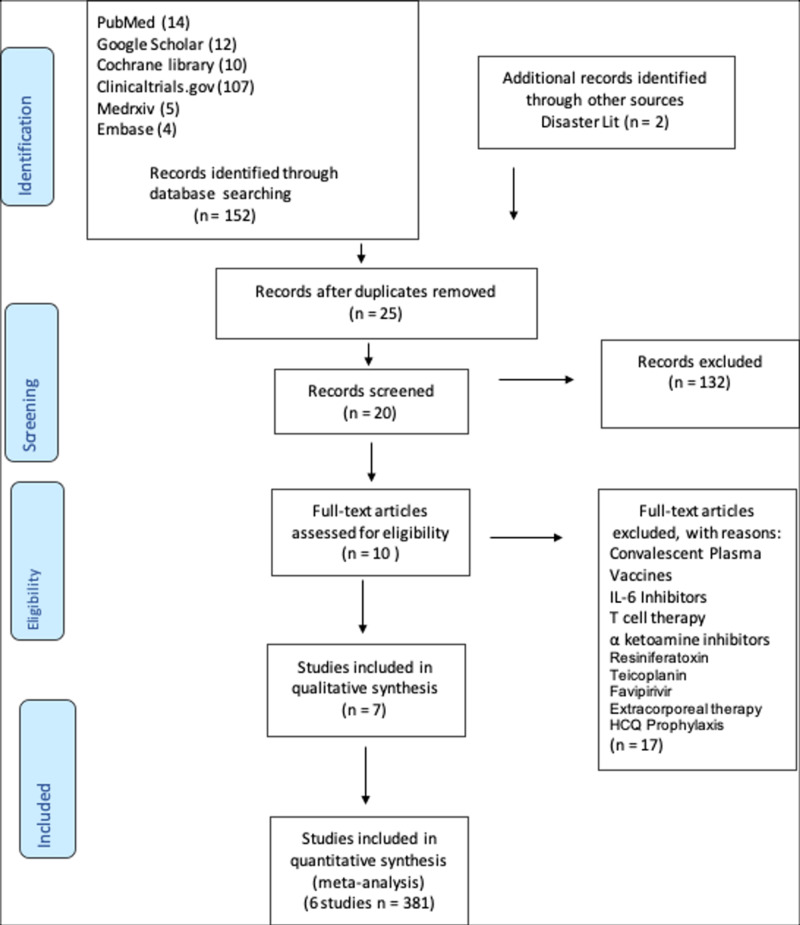
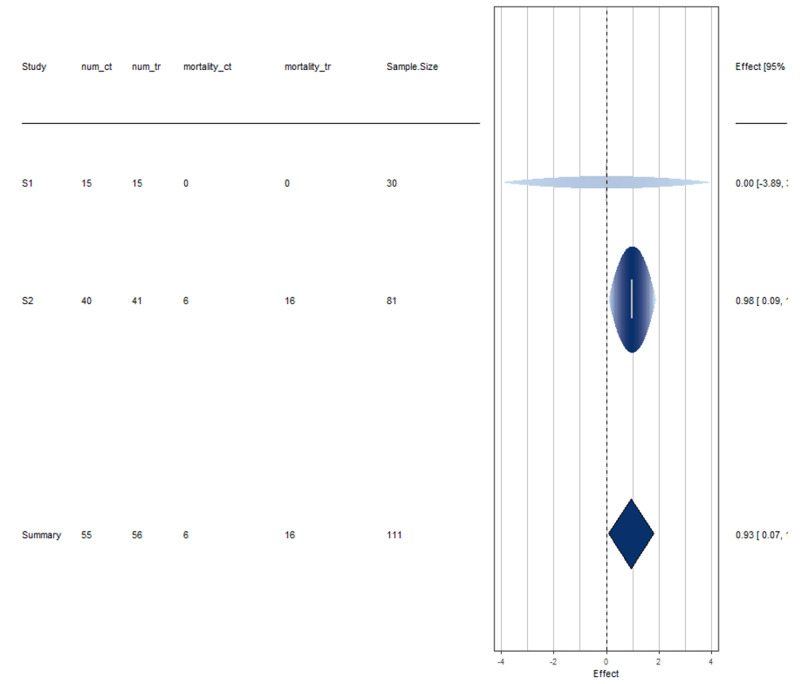
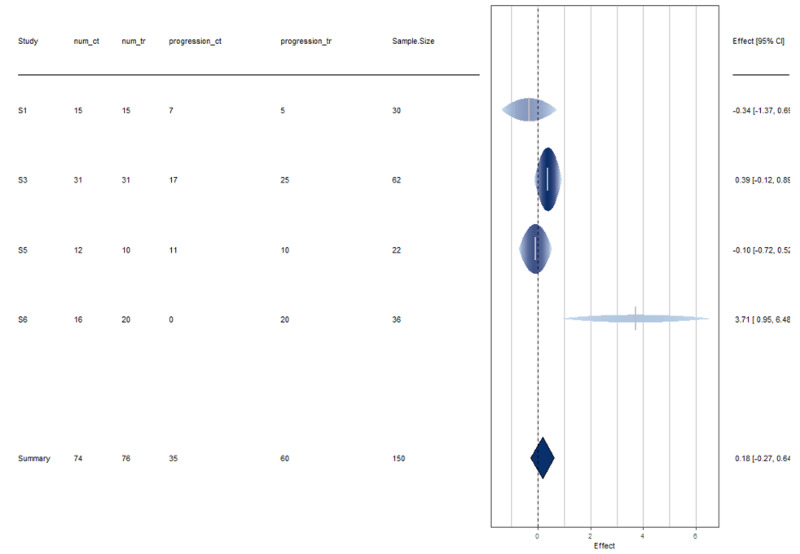
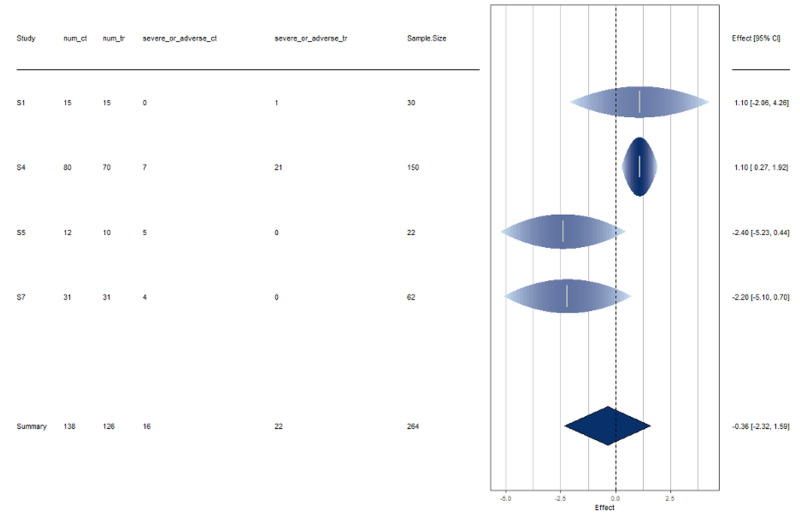
Introduction Since December 2019, severe acute respiratory syndrome coronavirus 2 (SARS-CoV-2) has rapidly spread throughout the world with a large medical and economic impact. On March 12, 2020, the World Health Organization (WHO) classified SARS-CoV-2 as a pandemic. As a result of this worldwide public health crisis, politicians, elected officials, and healthcare professionals emergently began trialing hydroxychloroquine (HCQ) in efforts to treat and prevent the transmission of the virus. This meta-analysis was performed to assess the effects of HCQ on patients with COVID-19. Methods This meta-analysis adheres to the Preferred Reporting Items for Systematic Reviews and Meta-Analyses (PRIMA) guidelines. Selected articles published between December 2019 and July 2020 were found utilizing the following search engines: PubMed, Google Scholar, Cochrane Library, DisasterLit, Clinicaltrials.gov, Medrxiv, and Embase. Two independent physician reviewers screened eligible articles that met the inclusion and exclusion criteria of the analysis. The outcome measures analyzed were mortality rate, rate of disease progression/improvement, rate of disease severity, and adverse effects of treatment. Six out of 14 studies that met the study's eligibility criteria were selected and further analyzed, with a total of 381 participants (n= 381). Conclusion From the studies analyzed, it was found that groups treated with HCQ had an overall mortality rate that was 2.5 times greater than that of the control group. HCQ treated patients had higher rates of adverse clinical outcomes and side effects compared with the control populations. Lastly, there was a 1.2 times higher rate of improvement in the group of HCQ treated patients with mild to moderate symptoms as compared to the control group.
引言 自2019年12月以来,严重急性呼吸综合征冠状病毒2(SARS-CoV-2)已在全球迅速传播,造成了巨大的医学和经济影响。2020年3月12日,世界卫生组织(WHO)将SARS-CoV-2列为大流行病。由于这场全球公共卫生危机,政治家、民选官员和医疗保健专业人员紧急开始试用羟氯喹(HCQ),以治疗和预防病毒传播。本荟萃分析旨在评估HCQ对COVID-19患者的影响。
方法 本荟萃分析遵循系统评价和荟萃分析的首选报告项目(PRIMA)指南。利用以下搜索引擎查找2019年12月至2020年7月期间发表的选定文章:PubMed、谷歌学术、Cochrane图书馆、DisasterLit、Clinicaltrials.gov、Medrxiv和Embase。两名独立的医生评审员筛选符合分析纳入和排除标准的合格文章。分析的结局指标为死亡率、疾病进展/改善率、疾病严重程度率和治疗不良反应。从符合研究资格标准的14项研究中选取6项进行进一步分析,共有381名参与者(n = 381)。
结论 从分析的研究中发现,接受HCQ治疗的组总体死亡率比对照组高2.5倍。与对照组相比,接受HCQ治疗的患者不良临床结局和副作用发生率更高。最后,与对照组相比,症状为轻至中度的接受HCQ治疗的患者组改善率高1.2倍。