Faculté de Médecine, Université de Tours, 10, Boulevard Tonnellé, 37032 Tours, France.
Faculty of Bioengineering and Bioinformatics, Moscow State University, Leninskye Gory 73, 119992 Moscow, Russia.
Cells. 2020 Sep 24;9(10):2156. doi: 10.3390/cells9102156.
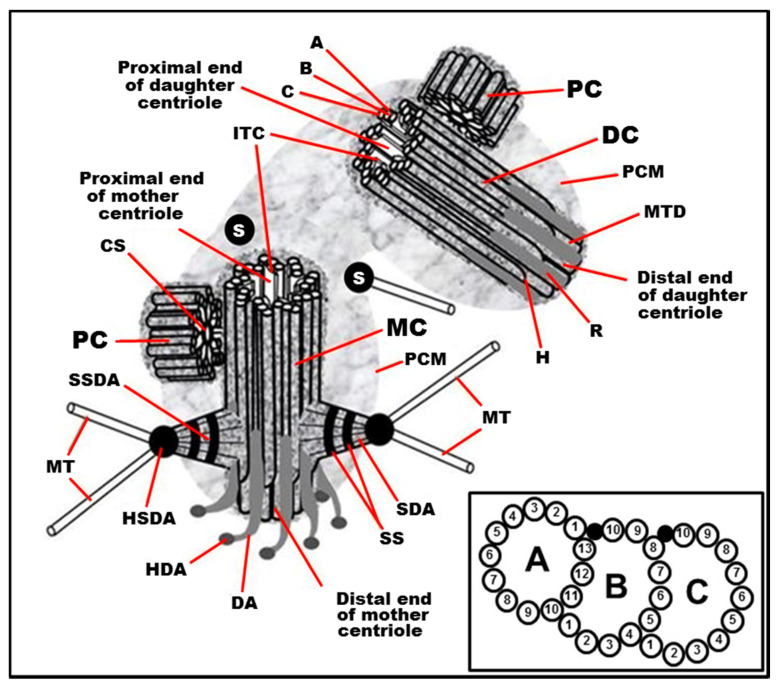
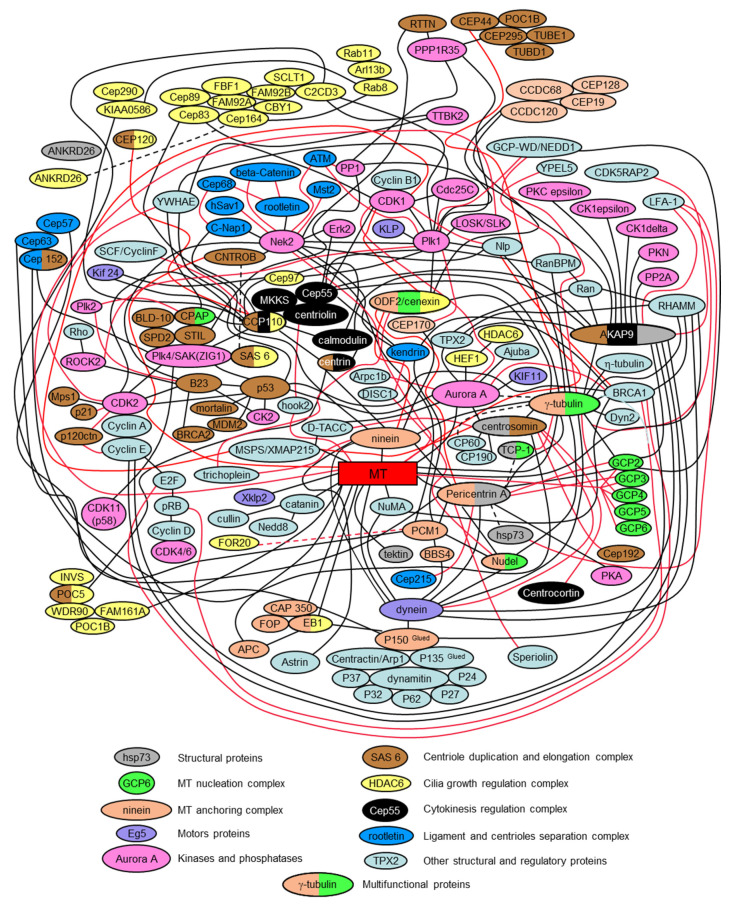
The centrosome, which consists of two centrioles surrounded by pericentriolar material, is a unique structure that has retained its main features in organisms of various taxonomic groups from unicellular algae to mammals over one billion years of evolution. In addition to the most noticeable function of organizing the microtubule system in mitosis and interphase, the centrosome performs many other cell functions. In particular, centrioles are the basis for the formation of sensitive primary cilia and motile cilia and flagella. Another principal function of centrosomes is the concentration in one place of regulatory proteins responsible for the cell's progression along the cell cycle. Despite the existing exceptions, the functioning of the centrosome is subject to general principles, which are discussed in this review.
中心体由两个被中心粒周围物质包围的中心粒组成,是一种独特的结构,在经过超过 10 亿年的进化,从单细胞藻类到哺乳动物等各种分类群的生物中,它保留了其主要特征。除了在有丝分裂和间期组织微管系统的最明显功能外,中心体还执行许多其他细胞功能。特别是,中心粒是形成敏感的初级纤毛和运动纤毛和鞭毛的基础。中心体的另一个主要功能是将负责细胞沿着细胞周期进行的调节蛋白集中在一个地方。尽管存在例外,但中心体的功能受到一般原则的限制,本综述讨论了这些原则。