School of Medicine, Division of Rheumatology, Johns Hopkins University, Baltimore, MD, USA.
Department of Neurology and Clinical Neurophysiology, Donders Institute for Brain, Cognition and Behavior, Radboud University Medical Center, Nijmegen, The Netherlands.
Curr Rheumatol Rep. 2020 Sep 28;22(11):82. doi: 10.1007/s11926-020-00947-y.
The purpose of this review is to critically discuss the use of ultrasound in the evaluation of muscle disorders with a particular focus on the emerging use in inflammatory myopathies.
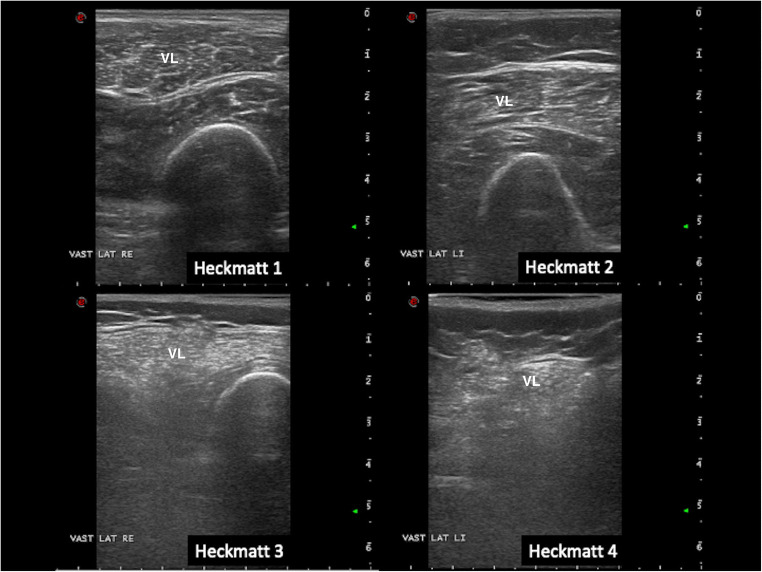
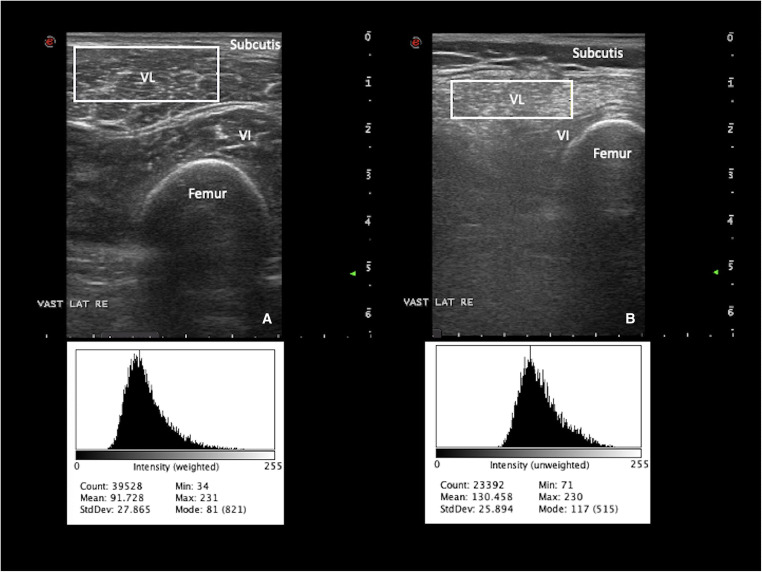
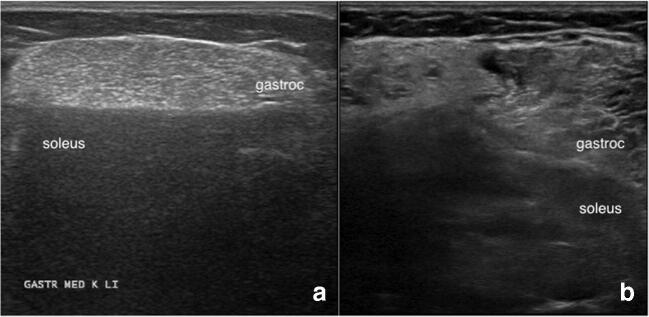
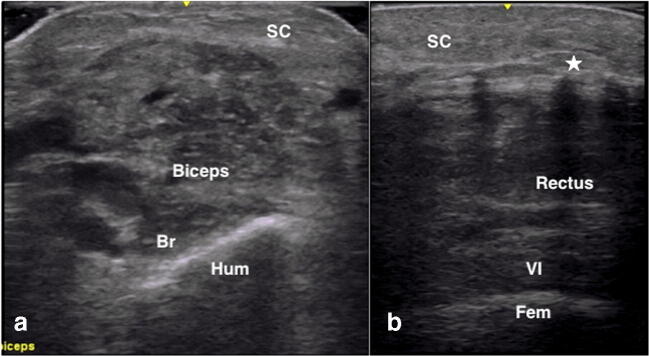
In myopathies, pathologic muscle shows an increase in echogenicity. Muscle echogenicity can be assessed visually, semi-quantitatively, or quantitatively using grayscale analysis. The involvement of specific muscle groups and the pattern of increase in echogenicity can further point to specific diseases. In pediatric neuromuscular disorders, the value of muscle ultrasound for screening and diagnosis is well-established. It has also been found to be a responsive measure of disease change in muscular dystrophies. In chronic forms of myositis like inclusion body myositis, ultrasound is very suitable for detecting markedly increased echogenicity and atrophy in affected muscles. Acute cases of muscle edema show only a mild increase in echogenicity, which can also reverse with successful treatment. Muscle ultrasound is an important imaging modality that is highly adaptable to study various muscle conditions. Although its diagnostic value for neuromuscular disorders is high, the evidence in myositis has only begun to accrue in earnest. Further systematic studies are needed, especially in its role for detecting muscle edema.
本文旨在批判性地讨论超声在肌肉疾病评估中的应用,特别关注其在炎症性肌病中的新应用。
在肌病中,病理性肌肉的回声增加。肌肉回声可通过目测、半定量或灰度分析进行定量评估。特定肌肉群的受累情况和回声增加的模式可进一步提示特定疾病。在儿科神经肌肉疾病中,肌肉超声在筛查和诊断中的价值已得到充分证实。它还被发现是肌肉疾病变化的一种有反应的衡量标准。在包涵体肌炎等慢性肌炎中,超声非常适合检测受累肌肉的明显高回声和萎缩。肌肉水肿的急性病例仅显示回声轻度增加,成功治疗后也可逆转。肌肉超声是一种重要的成像方式,非常适合研究各种肌肉疾病。尽管其在神经肌肉疾病中的诊断价值较高,但在肌炎中的证据才刚刚开始大量积累。需要进一步的系统研究,特别是在检测肌肉水肿方面。