Villani Maurizio, Bertoglio Federico, Restivo Elisa, Bruni Giovanna, Iervese Stefano, Arciola Carla Renata, Carulli Francesco, Iannace Salvatore, Bertini Fabio, Visai Livia
Istituto di Scienze e Tecnologie Chimiche "Giulio Natta"-CNR, Via A. Corti 12, 20133 Milano, Italy.
Department of Molecular Medicine (DMM), Center for Health Technologies (CHT), UdR INSTM, University of Pavia, Viale Taramelli 3/B, 27100 Pavia, Italy.
Materials (Basel). 2020 Sep 25;13(19):4296. doi: 10.3390/ma13194296.
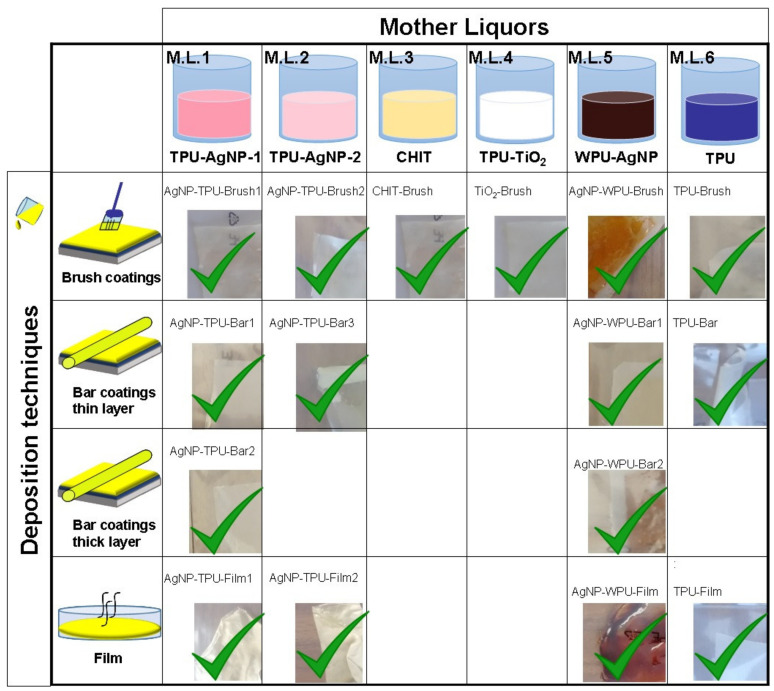
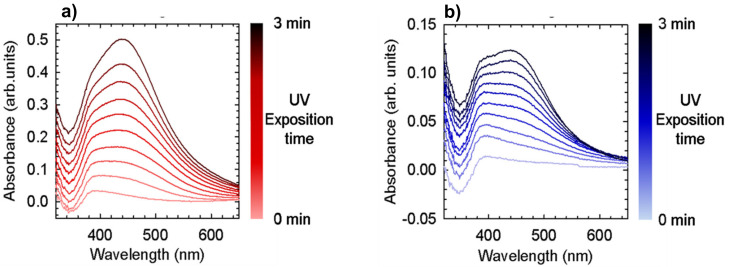
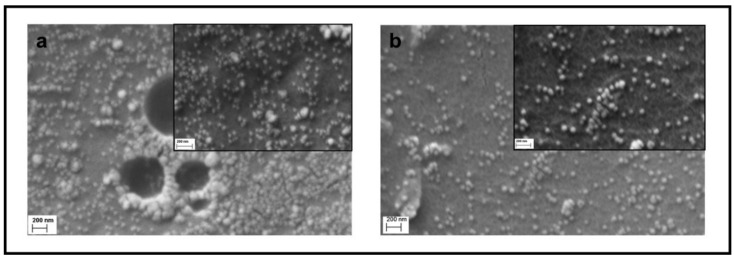
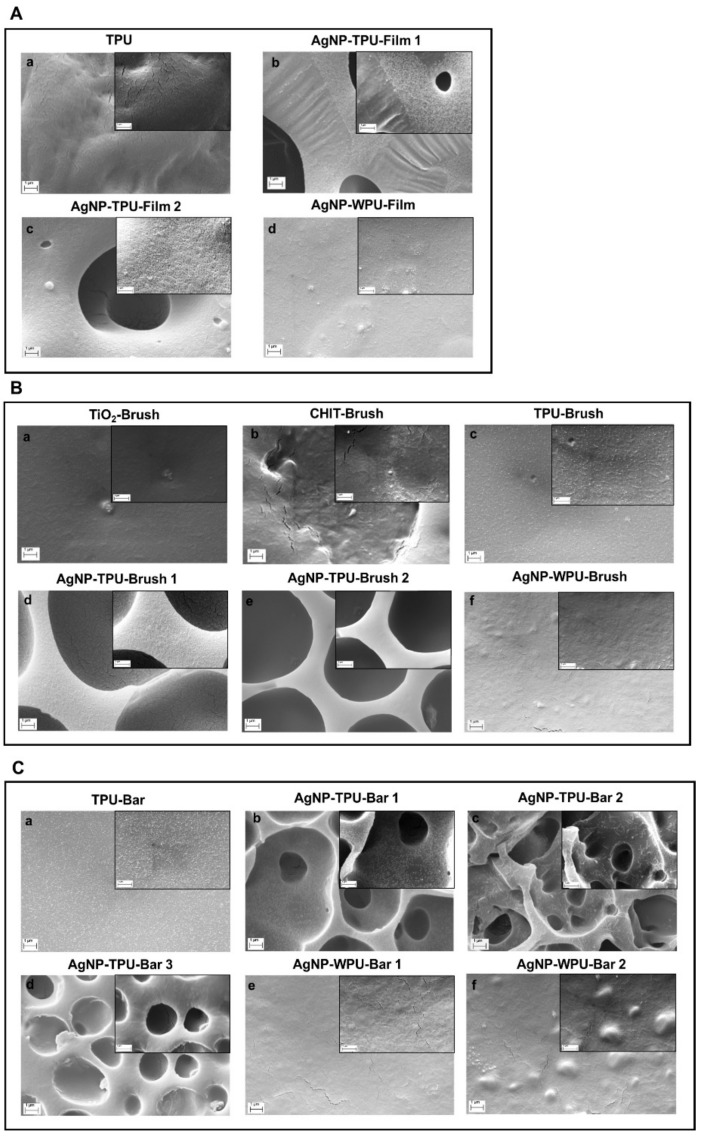
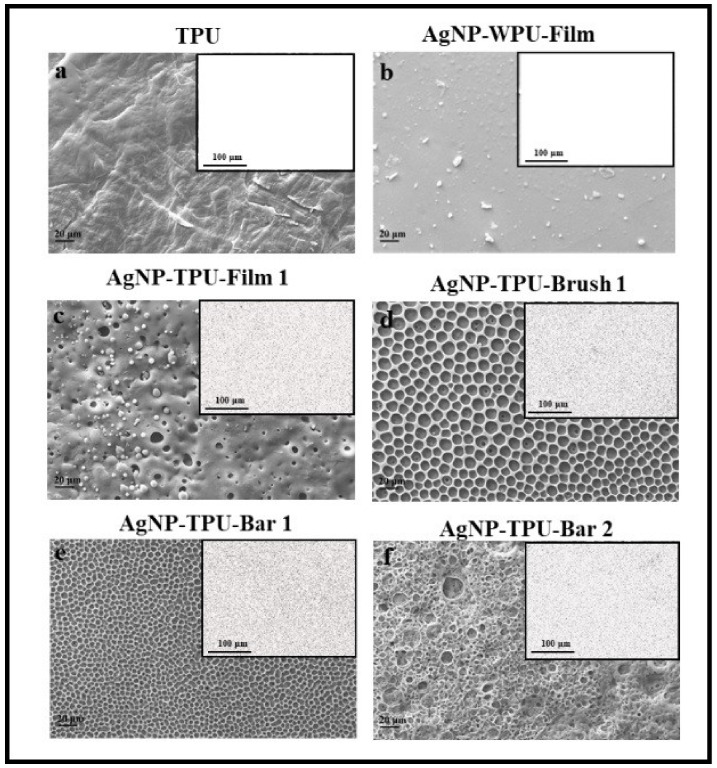
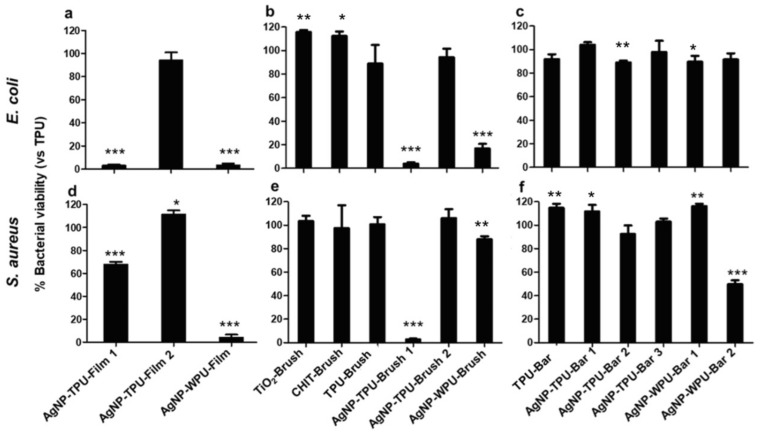
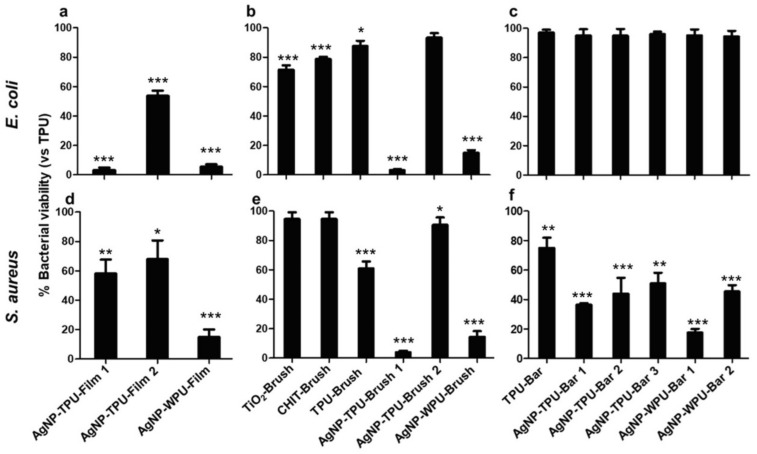
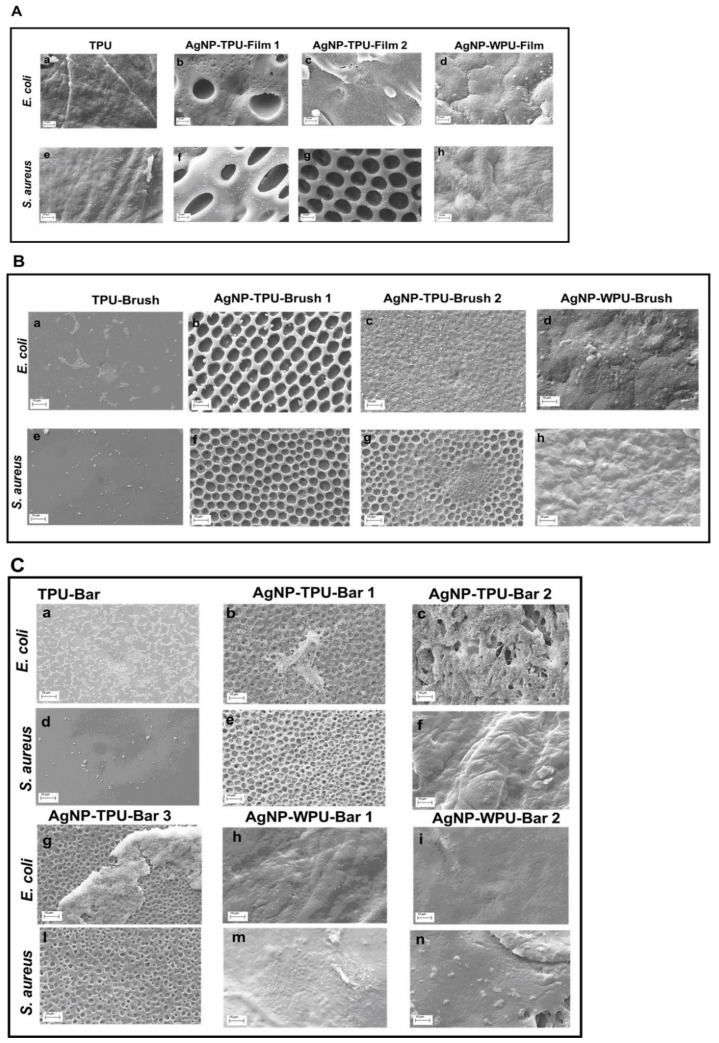
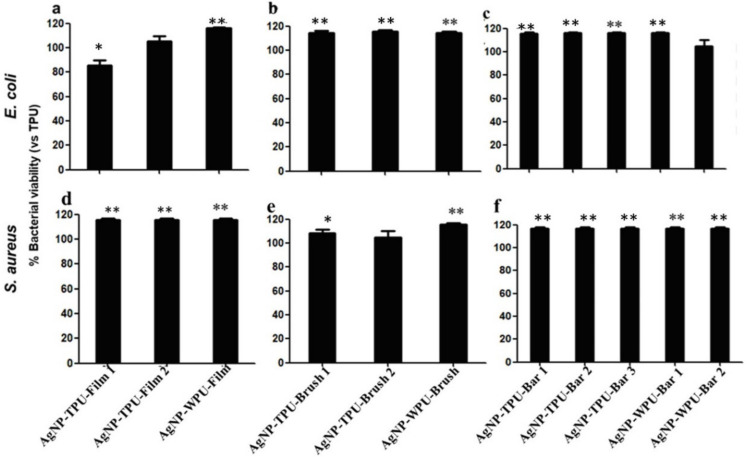
In coatings technology, the possibility of introducing specific characteristics at the surface level allows for the manufacture of medical devices with efficient and prolonged antibacterial properties. This efficiency is often achieved by the use of a small amount of antibacterial molecules, which can fulfil their duty while limiting eventual releasing problems. The object of this work was the preparation and characterization of silver, titanium dioxide and chitosan polyurethane-based coatings. Coatings with the three antibacterials were prepared using different deposition techniques, using a brush or a bar coater automatic film applicator, and compared to solvent casted films prepared with the same components. For silver containing materials, an innovative strategy contemplating the use and preparation of silver nanoparticles in a single step-method was employed. This preparation was obtained starting from a silver precursor and using a single compound as the reducing agent and stabilizer. Ultraviolet-visible spectroscopy, scanning electron microscopy, energy dispersive X-ray spectroscopy, contact angle measurements and adhesion test experiments were used to characterize the prepared coatings. Promising antibacterial properties, measured via direct and indirect methods, were registered for all the silver-based materials.
在涂层技术中,在表面引入特定特性的可能性使得制造具有高效且持久抗菌性能的医疗器械成为可能。这种效率通常通过使用少量抗菌分子来实现,这些分子在限制最终释放问题的同时能够履行其职责。这项工作的目的是制备和表征基于银、二氧化钛和壳聚糖聚氨酯的涂层。使用不同的沉积技术,通过刷子或棒式涂布器自动涂膜器制备含有这三种抗菌剂的涂层,并与用相同成分制备的溶剂浇铸膜进行比较。对于含银材料,采用了一种创新策略,即考虑在一步法中使用和制备银纳米颗粒。这种制备是从银前驱体开始,使用单一化合物作为还原剂和稳定剂获得的。使用紫外可见光谱、扫描电子显微镜、能量色散X射线光谱、接触角测量和附着力测试实验来表征制备的涂层。通过直接和间接方法测量,所有银基材料都表现出了良好的抗菌性能。