Department of Molecular and Human Genetics, Baylor College of Medicine, Houston, TX, 77030, USA.
Medical Scientist Training Program, Baylor College of Medicine, Houston, TX, 77030, USA.
Mol Neurodegener. 2020 Sep 29;15(1):56. doi: 10.1186/s13024-020-00405-4.
Tau neurofibrillary tangle pathology characterizes Alzheimer's disease and other neurodegenerative tauopathies. Brain gene expression profiles can reveal mechanisms; however, few studies have systematically examined both the transcriptome and proteome or differentiated Tau- versus age-dependent changes.
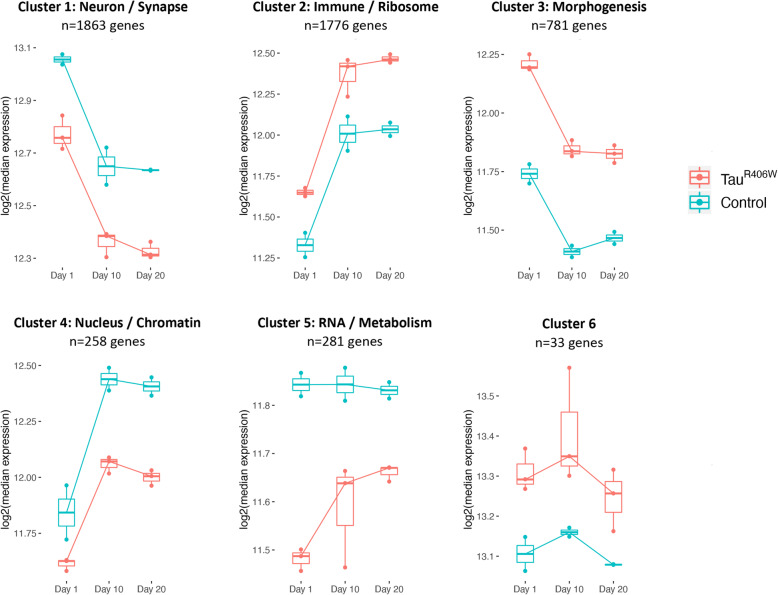
Paired, longitudinal RNA-sequencing and mass-spectrometry were performed in a Drosophila model of tauopathy, based on pan-neuronal expression of human wildtype Tau (Tau) or a mutant form causing frontotemporal dementia (Tau). Tau-induced, differentially expressed transcripts and proteins were examined cross-sectionally or using linear regression and adjusting for age. Hierarchical clustering was performed to highlight network perturbations, and we examined overlaps with human brain gene expression profiles in tauopathy.
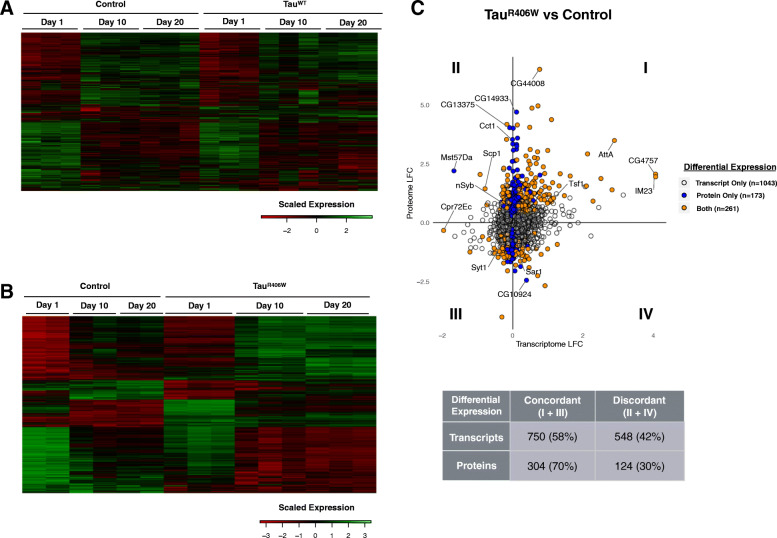
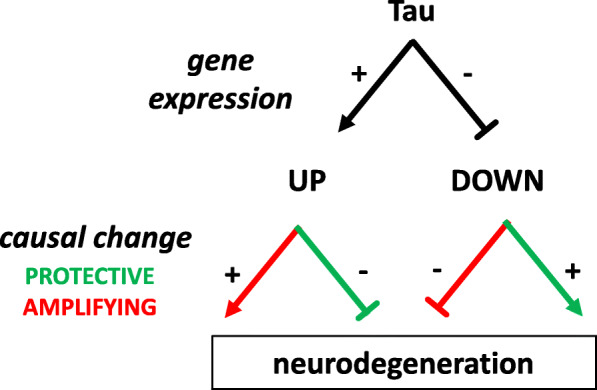
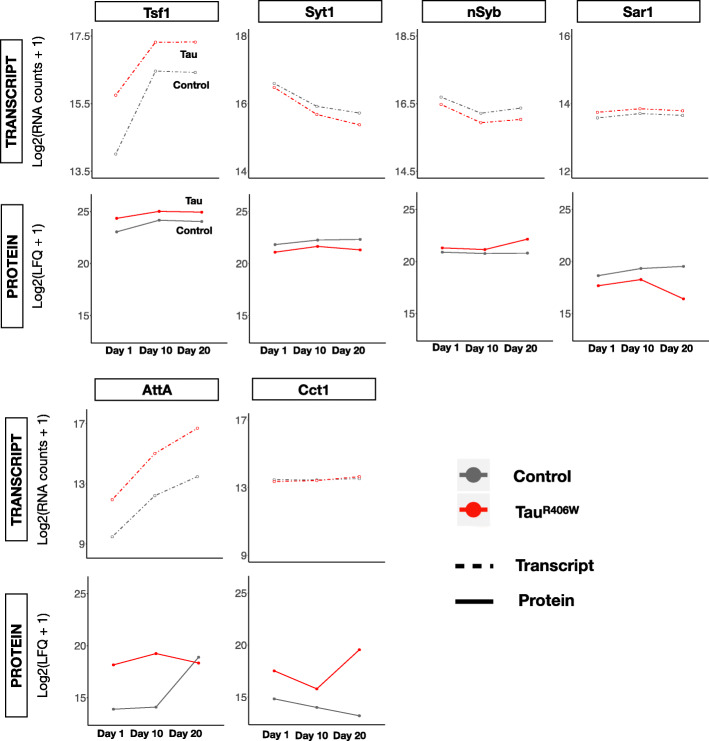
Tau induced 1514 and 213 differentially expressed transcripts and proteins, respectively. Tau had a substantially greater impact, causing changes in 5494 transcripts and 697 proteins. There was a ~ 70% overlap between age- and Tau-induced changes and our analyses reveal pervasive bi-directional interactions. Strikingly, 42% of Tau-induced transcripts were discordant in the proteome, showing opposite direction of change. Tau-responsive gene expression networks strongly implicate innate immune activation. Cross-species analyses pinpoint human brain gene perturbations specifically triggered by Tau pathology and/or aging, and further differentiate between disease amplifying and protective changes.
Our results comprise a powerful, cross-species functional genomics resource for tauopathy, revealing Tau-mediated disruption of gene expression, including dynamic, age-dependent interactions between the brain transcriptome and proteome.
tau 神经原纤维缠结病理特征表现为阿尔茨海默病和其他神经退行性 tau 病。大脑基因表达谱可以揭示机制;然而,很少有研究系统地检查转录组和蛋白质组,或区分 Tau 与年龄相关的变化。
基于人野生型 Tau(Tau)或引起额颞叶痴呆的突变形式(Tau)在全神经元表达的果蝇 tau 病模型中进行了配对的纵向 RNA 测序和质谱分析。Tau 诱导的差异表达的转录本和蛋白质进行了横断面或使用线性回归分析,并对年龄进行了调整。进行了层次聚类以突出网络扰动,并检查了 Tau 病与人脑基因表达谱的重叠。
Tau 诱导了 1514 个和 213 个差异表达的转录本和蛋白质,分别。Tau 的影响要大得多,导致 5494 个转录本和 697 个蛋白质发生变化。年龄和 Tau 诱导变化之间有一个约 70%的重叠,我们的分析揭示了普遍存在的双向相互作用。引人注目的是,42%的 Tau 诱导的转录本在蛋白质组中是不一致的,表现出相反的变化方向。Tau 反应性基因表达网络强烈暗示先天免疫激活。跨物种分析确定了人类大脑基因扰动,特别是 Tau 病理学和/或衰老所触发的,并进一步区分了疾病放大和保护变化。
我们的结果包括一个强大的、跨物种的 tau 病功能基因组学资源,揭示了 Tau 介导的基因表达中断,包括大脑转录组和蛋白质组之间动态的、年龄相关的相互作用。