School of Dental Sciences, Universiti Sains Malaysia, Health Campus, 16150 Kubang Kerian, Kota Bharu, Kelantan, Malaysia.
School of Computer Sciences, Universiti Sains Malaysia, 11800 Gelugor, Penang, Malaysia.
Pain Res Manag. 2020 Sep 11;2020:5971032. doi: 10.1155/2020/5971032. eCollection 2020.
The aim of this systematic review was to evaluate the effectiveness of laser application in temporomandibular joint disorder.
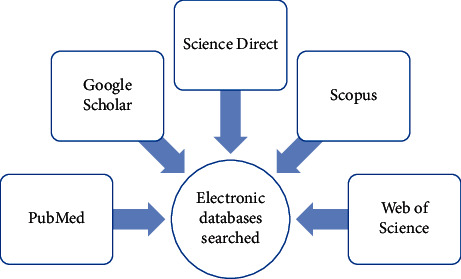
PubMed, SCOPUS, Science Direct, Web of Science, and Google Scholar electronic databases were searched systematically with restricting the languages to only English and year (January 2001 to March 2020), and studies were selected based on the inclusion criteria. Study quality and publication bias were assessed by using the Robvis, a software package of statistical software.
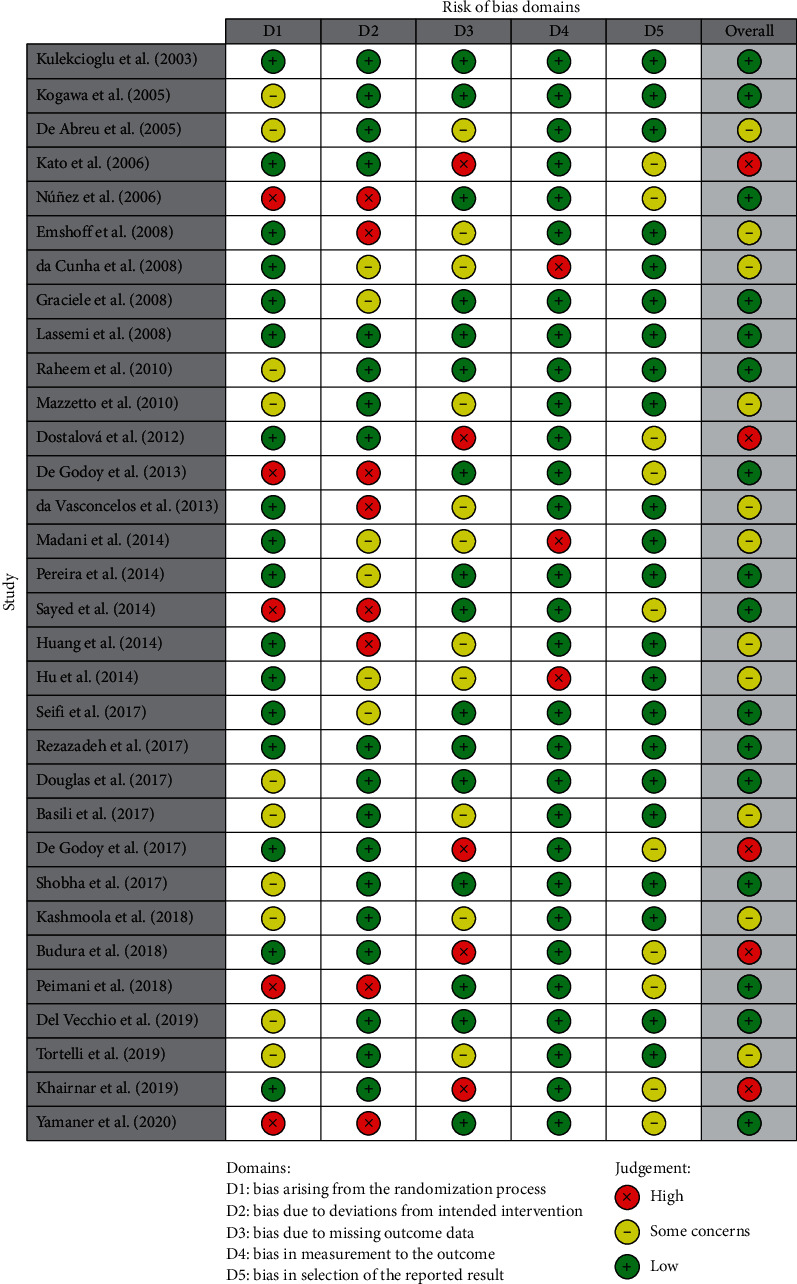
This systematic review included 32 studies (1172 patients) based on the inclusion and exclusion criteria. Most of the studies reported significant reduction of pain by the use of the laser during TMD treatment. Two-thirds of the study (78.13%) found a better outcome comparing with conventional one. According to Robvis, 84.4% of the studies were high methodological studies with low risk of bias.
TMD patients suffer with continuous pain for long time even after conventional treatment. Laser therapy shows a promising outcome of pain reduction for TMD patients. Therefore, laser therapy can be recommended for the TMD patients' better outcome. This trial is registered with PROSPERO (CRD42020177562).
本系统评价旨在评估激光应用于颞下颌关节紊乱的疗效。
系统检索 PubMed、SCOPUS、Science Direct、Web of Science 和 Google Scholar 电子数据库,仅限制语言为英语和年份(2001 年 1 月至 2020 年 3 月),并根据纳入标准选择研究。使用 Robvis(一种统计软件的软件包)评估研究质量和发表偏倚。
本系统评价根据纳入和排除标准纳入了 32 项研究(1172 名患者)。大多数研究报告称,在 TMD 治疗中使用激光可显著减轻疼痛。三分之二的研究(78.13%)发现与传统治疗相比,结果更好。根据 Robvis,84.4%的研究为方法学较高、偏倚风险较低的研究。
TMD 患者即使在常规治疗后也会长期持续疼痛。激光疗法显示出减轻 TMD 患者疼痛的有希望的结果。因此,激光疗法可以推荐给 TMD 患者以获得更好的效果。本试验已在 PROSPERO(CRD42020177562)注册。