Lv Chaogeng, He Yali, Kang Chuanzhi, Zhou Li, Wang Tielin, Yang Jian, Guo Lanping
State Key Laboratory Breeding Base of Dao-di Herbs, National Resource Center for Chinese Materia Medica, China Academy of Chinese Medical Sciences, Beijing 100700, China.
J Anal Methods Chem. 2020 Sep 12;2020:8879957. doi: 10.1155/2020/8879957. eCollection 2020.
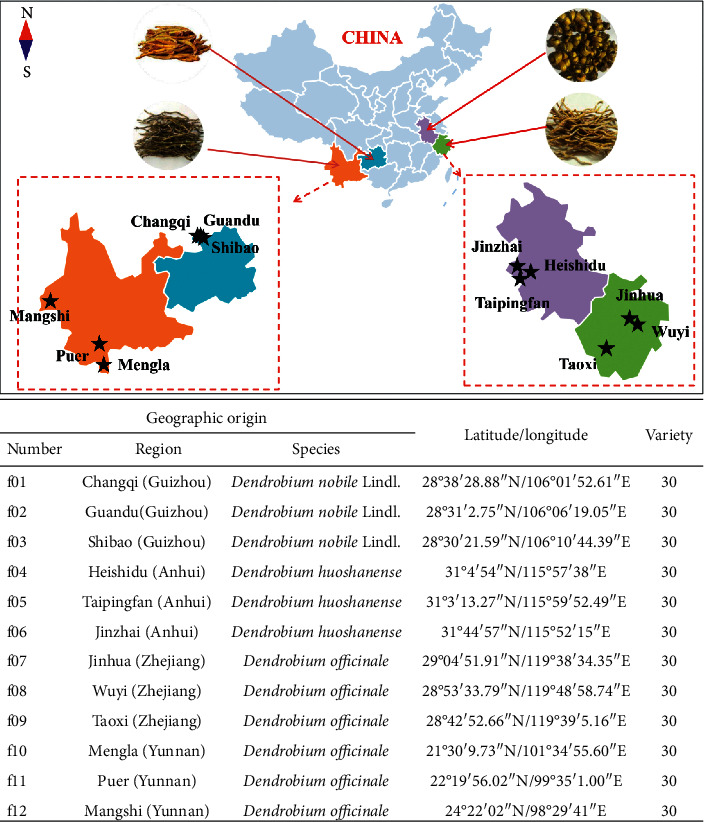
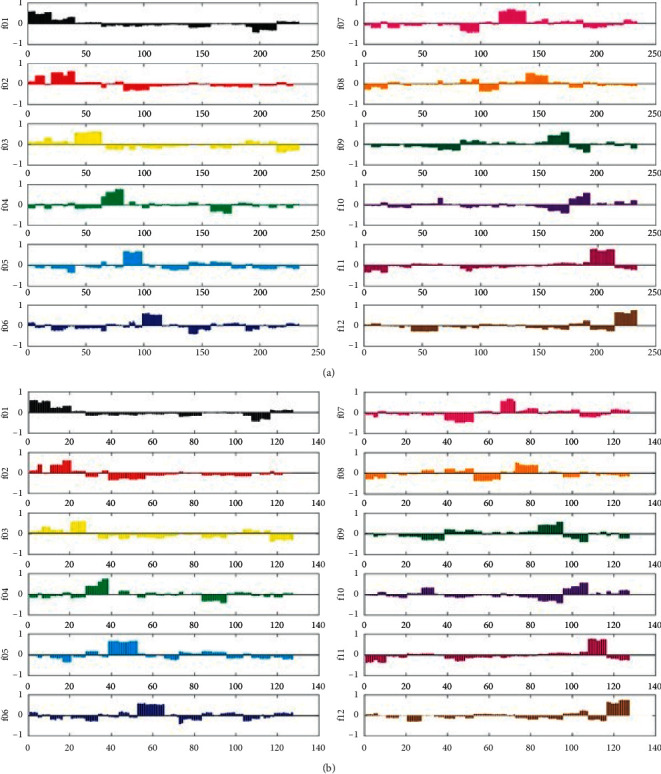
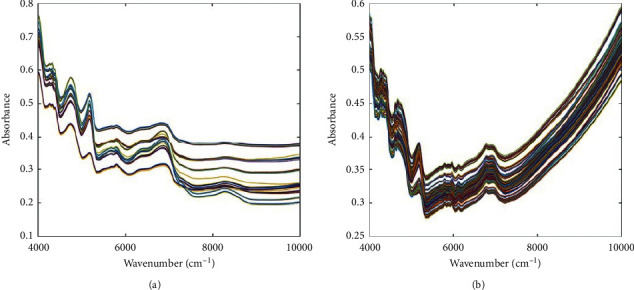
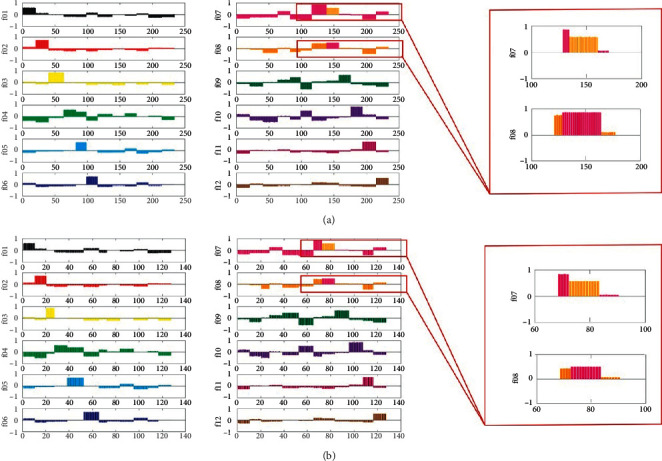
Dendrobe ( spp.) is a traditional medicinal and edible food, which is rich in nutrients and contains biologically active metabolites. The quality and price of dendrobe are related to its geographical origins, and high quality dendrobe is often imitated by low quality dendrobe in the market. In this work, near-infrared (NIR) spectroscopy sensor combined with porphyrin and chemometrics was used to distinguish 360 dendrobe samples from twelve different geographical origins. Partial least squares discriminant analysis (PLSDA) was used to study the sensing performance of traditional NIR and tera-(4-methoxyphenyl)-porphyrin (TMPP)-NIR on the identification of dendrobe origin. In the PLSDA model, the recognition rate of the training and prediction set of the TMPP-NIR could reach 100%, which was higher than the 91.85% and 91.34% of traditional NIR. And the accuracy, sensitivity, and specificity of the TMPP-NIR sensor are all 1.00. The mechanism of TMPP improving the specificity of NIR spectroscopy should be related to the - conjugated system and the methoxy groups of TMPP interact with the chemical components of dendrobe. This study reflected that NIR spectrum with TMPP sensor was an effective approach for identifying the geographic origin of dendrobe.
石斛(多种)是一种传统的药食两用植物,富含营养成分并含有生物活性代谢物。石斛的品质和价格与其地理来源有关,市场上高品质的石斛常被低品质的石斛仿冒。在这项工作中,结合卟啉和化学计量学的近红外(NIR)光谱传感器被用于区分来自十二个不同地理来源的360份石斛样本。偏最小二乘判别分析(PLSDA)被用于研究传统近红外和四-(4-甲氧基苯基)-卟啉(TMPP)-近红外对石斛产地识别的传感性能。在PLSDA模型中,TMPP-近红外的训练集和预测集的识别率可达100%,高于传统近红外的91.85%和91.34%。并且TMPP-近红外传感器的准确度、灵敏度和特异性均为1.00。TMPP提高近红外光谱特异性的机制应与TMPP的共轭体系和甲氧基与石斛化学成分的相互作用有关。本研究表明,带有TMPP传感器的近红外光谱是识别石斛地理来源的有效方法。