Hoque M Nazmul, Chaudhury Abed, Akanda Md Abdul Mannan, Hossain M Anwar, Islam Md Tofazzal
Department of Gynecology, Obstetrics and Reproductive Health, Bangabandhu Sheikh Mujibur Rahman Agricultural University (BSMRAU), Gazipur, Bangladesh.
Department of Microbiology, University of Dhaka, Dhaka, Bangladesh.
PeerJ. 2020 Sep 1;8:e9689. doi: 10.7717/peerj.9689. eCollection 2020.
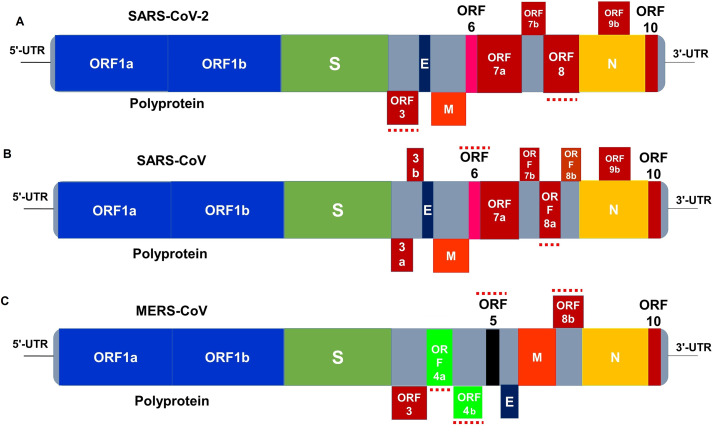
The coronavirus disease 19 (COVID-19) is a highly transmittable and pathogenic viral infection caused by a novel evolutionarily divergent RNA virus, the severe acute respiratory syndrome coronavirus 2 (SARS-CoV-2). The virus first emerged in Wuhan, China in December 2019, and subsequently spreaded around the world. Genomic analyses revealed that this zoonotic virus may be evolved naturally but not a purposefully manipulated laboratory construct. However, currently available data are not sufficient to precisely conclude the origin of this fearsome virus. Comprehensive annotations of the whole-genomes revealed hundreds of nucleotides, and amino acids mutations, substitutions and/or deletions at different positions of the ever changing SARS-CoV-2 genome. The spike (S) glycoprotein of SARS-CoV-2 possesses a functional polybasic (furin) cleavage site at the S1-S2 boundary through the insertion of 12 nucleotides. It leads to the predicted acquisition of 3--linked glycan around the cleavage site. Although real-time RT-PCR methods targeting specific gene(s) have widely been used to diagnose the COVID-19 patients, however, recently developed more convenient, cheap, rapid, and specific diagnostic tools targeting antigens or CRISPR-Cas-mediated method or a newly developed plug and play method should be available for the resource-poor developing countries. A large number of candidate drugs, vaccines and therapies have shown great promise in early trials, however, these candidates of preventive or therapeutic agents have to pass a long path of trials before being released for the practical application against COVID-19. This review updates current knowledge on origin, genomic evolution, development of the diagnostic tools, and the preventive or therapeutic remedies of the COVID-19. We also discussed the future scopes for research, effective management, and surveillance of the newly emerged COVID-19 disease.
冠状病毒病19(COVID-19)是一种由新型进化上不同的RNA病毒——严重急性呼吸综合征冠状病毒2(SARS-CoV-2)引起的高度传染性和致病性病毒感染。该病毒于2019年12月首次在中国武汉出现,随后在全球传播。基因组分析表明,这种人畜共患病毒可能是自然进化而来,而非人为操控的实验室构建物。然而,目前可得的数据不足以精确推断这种可怕病毒的起源。对全基因组的全面注释揭示了不断变化的SARS-CoV-2基因组不同位置上的数百个核苷酸以及氨基酸的突变、替换和/或缺失。SARS-CoV-2的刺突(S)糖蛋白通过插入12个核苷酸在S1-S2边界处具有一个功能性多碱性(弗林蛋白酶)切割位点。这导致在切割位点周围预测获得了3-连接聚糖。尽管针对特定基因的实时逆转录聚合酶链反应(RT-PCR)方法已广泛用于诊断COVID-19患者,然而,最近开发的针对抗原的更便捷、廉价、快速且特异的诊断工具或CRISPR-Cas介导的方法或新开发的即插即用方法应该可供资源匮乏的发展中国家使用。大量候选药物、疫苗和疗法在早期试验中显示出巨大潜力,然而,这些预防或治疗剂候选物在被批准用于实际对抗COVID-19之前必须经过漫长的试验过程。本综述更新了关于COVID-19的起源、基因组进化、诊断工具的开发以及预防或治疗方法的当前知识。我们还讨论了新出现的COVID-19疾病的未来研究范围、有效管理和监测。