Department of Neurosurgery, University of Minnesota, Minneapolis, MN, USA.
University of Minnesota Law School, Minneapolis, MN, USA; Graduate Program in Neuroscience, University of Minnesota, Minneapolis, MN, USA; Massachusetts General Hospital, Center for Law, Brain, and Behavior, Boston, MA, USA.
Stem Cell Reports. 2020 Oct 13;15(4):804-810. doi: 10.1016/j.stemcr.2020.08.018. Epub 2020 Oct 1.
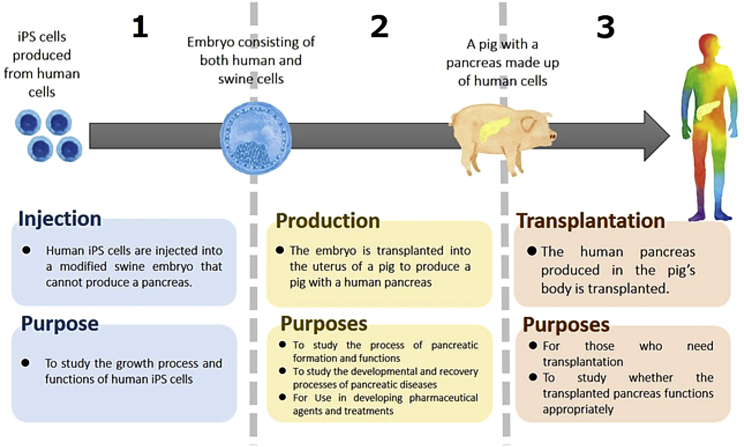
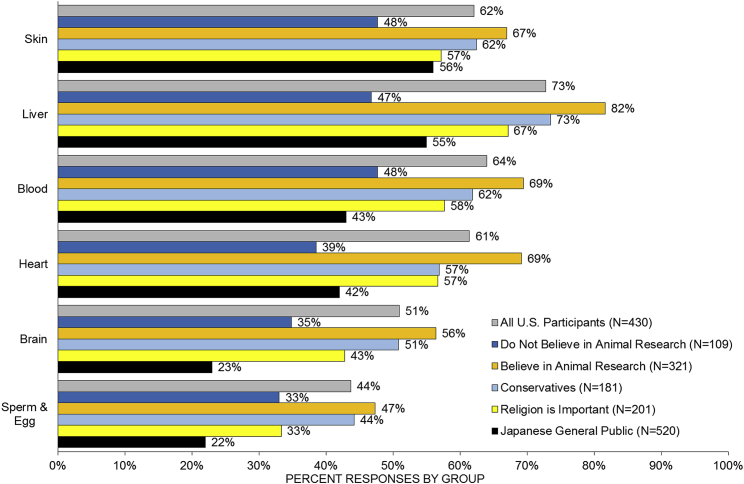
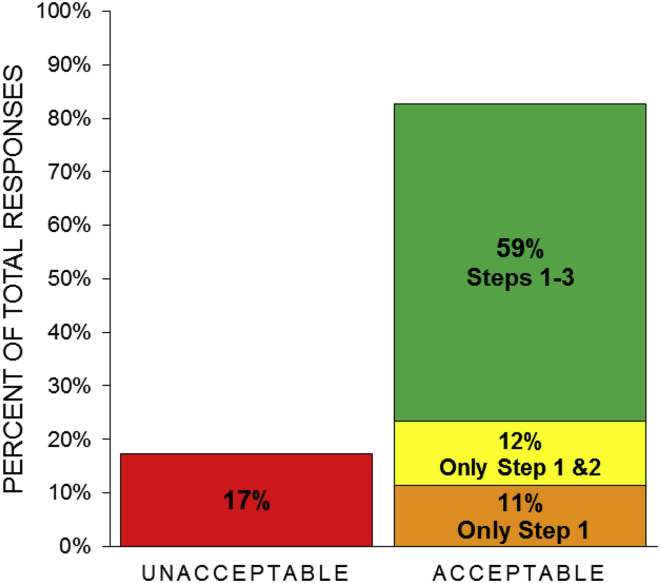
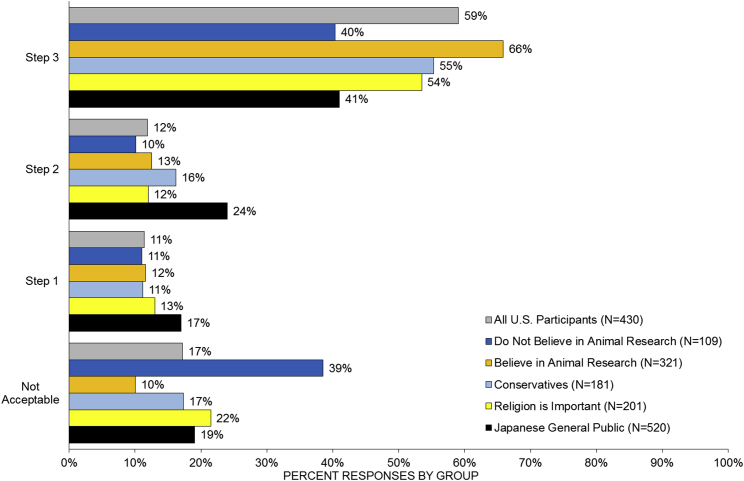
We report findings from a new survey of US public attitudes toward human-animal chimeric embryo (HACE) research, designed to compare with recently reported Japanese survey data. We find that 59% of the US public can personally accept the process of injecting human induced pluripotent stem cells into genetically modified swine embryos and having human tissues produced in a pig's body transplanted into a human. This is greater acceptance than in Japan, and there is even strong acceptance among those with strong religious affiliations and who self-identify as conservatives. We argue that strong public support for HACE research, as well as the emerging literature suggesting that humanization of research animals is very unlikely, should compel the NIH to lift its current moratorium on HACE research.
我们报告了一项新的美国公众对人兽嵌合体胚胎(HACE)研究态度的调查结果,旨在与最近报道的日本调查数据进行比较。我们发现,59%的美国公众可以接受将人类诱导多能干细胞注入基因修饰猪胚胎并将在猪体内产生的人类组织移植到人体内的过程。这比日本的接受程度更高,甚至在那些宗教信仰强烈和自认为保守的人中也有强烈的接受度。我们认为,公众对 HACE 研究的强烈支持,以及新兴文献表明研究动物的人性化是极不可能的,这应该迫使 NIH 取消其目前对 HACE 研究的暂停。