Istituto Superiore di Sanità, Environment and Health Department, Mechanisms, Biomarkers and Models Unit, Rome, Italy.
European Commission, Joint Research Centre (JRC), Ispra, Italy.
Reprod Toxicol. 2020 Dec;98:174-188. doi: 10.1016/j.reprotox.2020.09.010. Epub 2020 Oct 1.
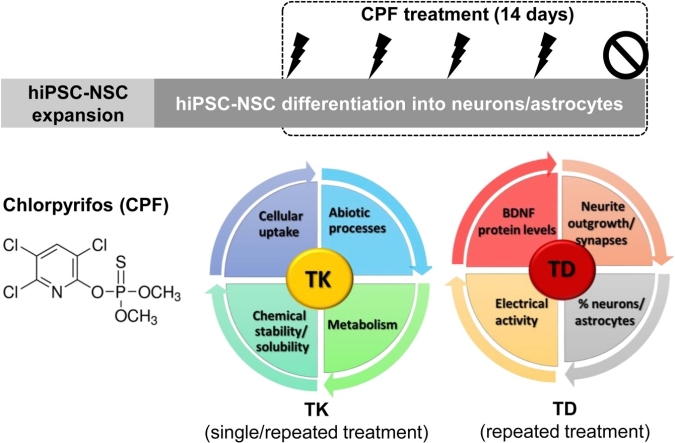
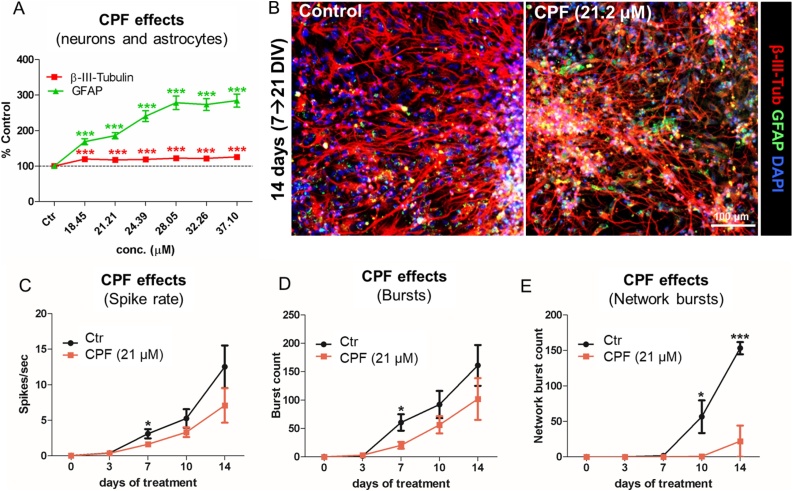
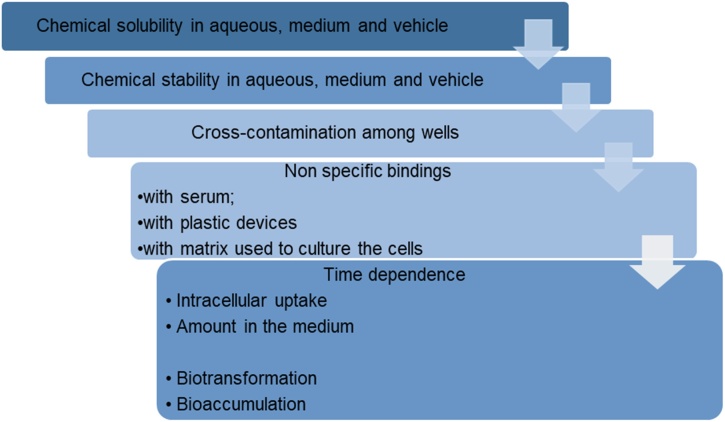
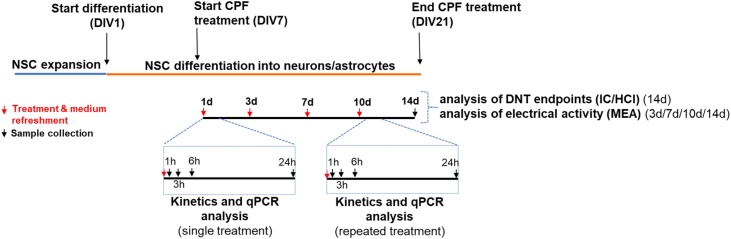
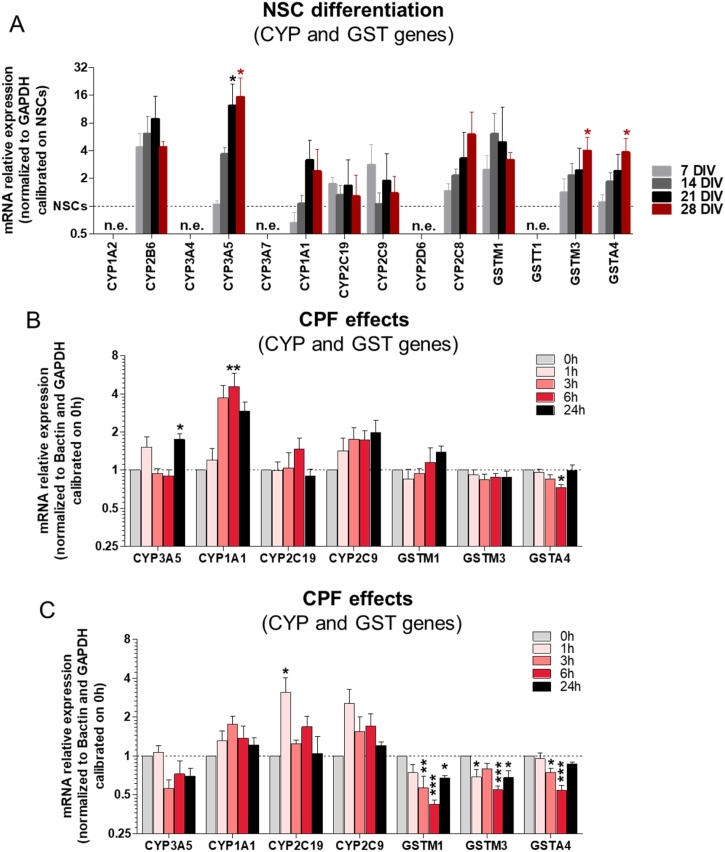
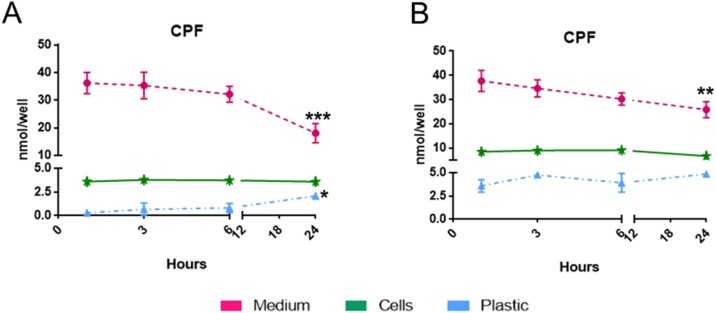
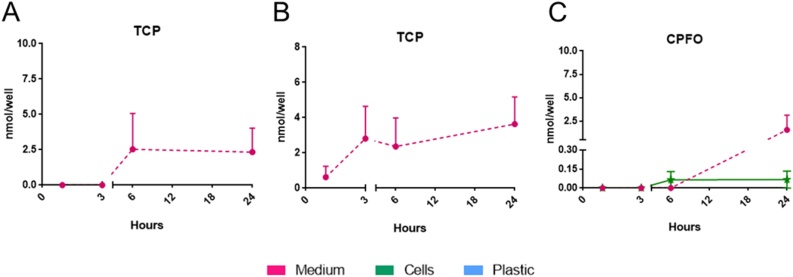
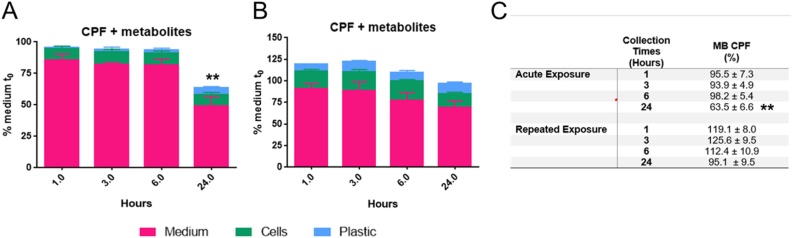
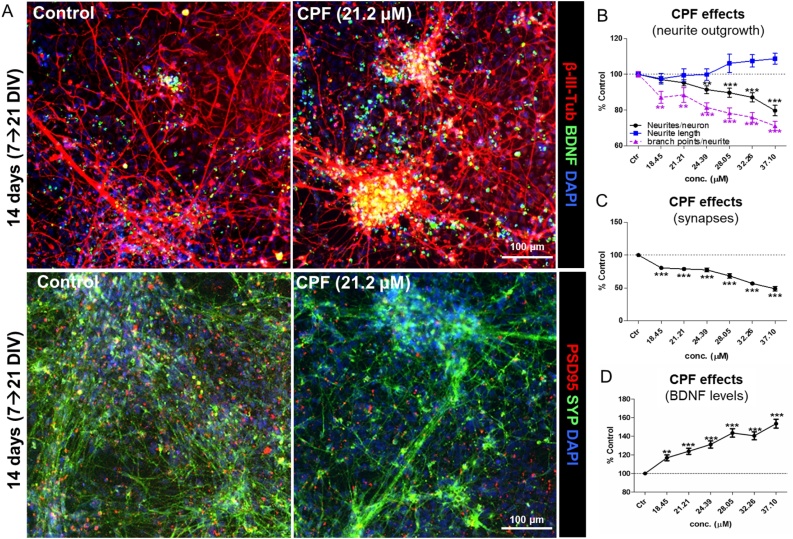
For some complex toxicological endpoints, chemical safety assessment has conventionally relied on animal testing. Apart from the ethical issues, also scientific considerations have been raised concerning the traditional approach, highlighting the importance for considering real life exposure scenario. Implementation of flexible testing strategies, integrating multiple sources of information, including in vitro reliable test methods and in vitro biokinetics, would enhance the relevance of the obtained results. Such an approach could be pivotal in the evaluation of developmental neurotoxicity (DNT), especially when applied to human cell-based models, mimicking key neurodevelopmental processes, relevant to human brain development. Here, we integrated the kinetic behaviour with the toxicodynamic alterations of chlorpyrifos (CPF), such as in vitro endpoints specific for DNT evaluation, after repeated exposure during differentiation of human neural stem cells into a mixed culture of neurons and astrocytes. The upregulation of some cytochrome P450 and glutathione S-transferase genes during neuronal differentiation and the formation of the two major CPF metabolites (due to bioactivation and detoxification) supported the metabolic competence of the used in vitro model. The alterations in the number of synapses, neurite outgrowth, brain derived neurotrophic factor, the proportion of neurons and astrocytes, as well as spontaneous electrical activity correlated well with the CPF ability to enter the cells and be bioactivated to CPF-oxon. Overall, our results confirm that combining in vitro biokinetics and assays to evaluate effects on neurodevelopmental endpoints in human cells should be regarded as a key strategy for a quantitative characterization of DNT effects.
对于一些复杂的毒理学终点,化学安全评估传统上依赖于动物测试。除了伦理问题外,传统方法也引起了科学界的关注,强调了考虑实际暴露情况的重要性。实施灵活的测试策略,整合包括体外可靠测试方法和体外生物动力学在内的多种信息来源,将提高获得结果的相关性。这种方法在评估发育神经毒性(DNT)时可能至关重要,特别是当应用于模拟关键神经发育过程的基于人类细胞的模型时,这些过程与人类大脑发育有关。在这里,我们将动力学行为与毒死蜱(CPF)的毒代动力学改变结合起来,例如在人类神经干细胞分化为神经元和星形胶质细胞的混合培养物中进行重复暴露后的特定于 DNT 评估的体外终点。在神经元分化过程中一些细胞色素 P450 和谷胱甘肽 S-转移酶基因的上调,以及两种主要 CPF 代谢物(由于生物活化和解毒)的形成,支持了所使用的体外模型的代谢能力。突触数量、神经突生长、脑源性神经营养因子、神经元和星形胶质细胞比例以及自发电活动的改变与 CPF 进入细胞并被生物活化成 CPF-oxon 的能力密切相关。总体而言,我们的结果证实,将体外生物动力学与评估人类细胞神经发育终点的效应相结合,应被视为定量表征 DNT 效应的关键策略。