European Commission, Joint Research Centre (JRC), Ispra, Italy.
European Commission, Joint Research Centre (JRC), Ispra, Italy.
Reprod Toxicol. 2021 Oct;105:101-119. doi: 10.1016/j.reprotox.2021.08.007. Epub 2021 Aug 26.
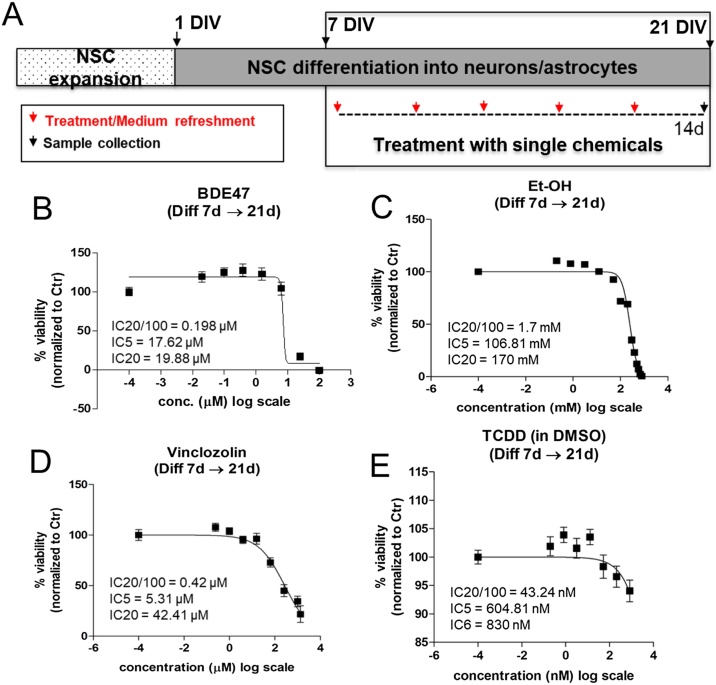
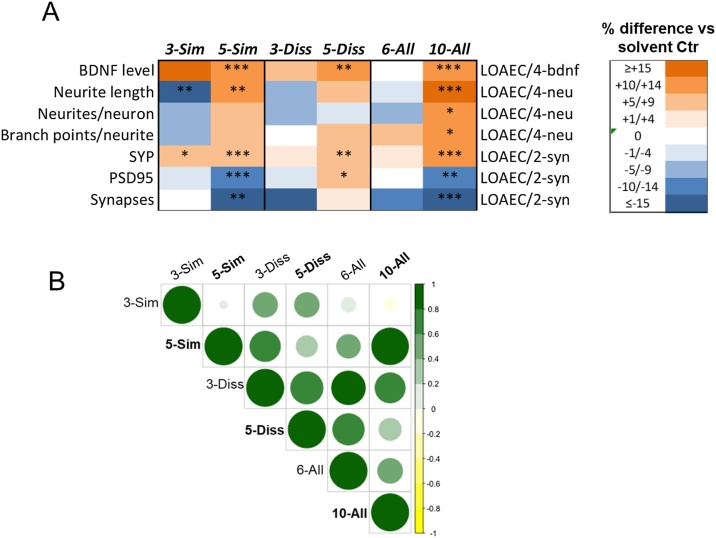
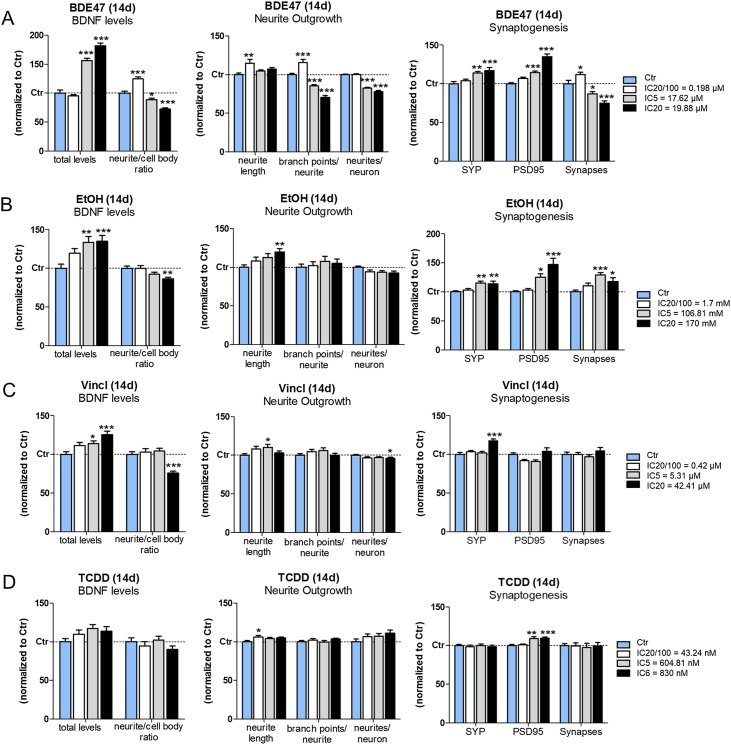
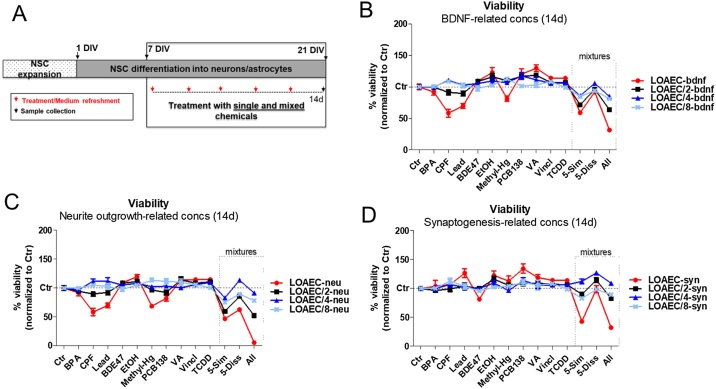
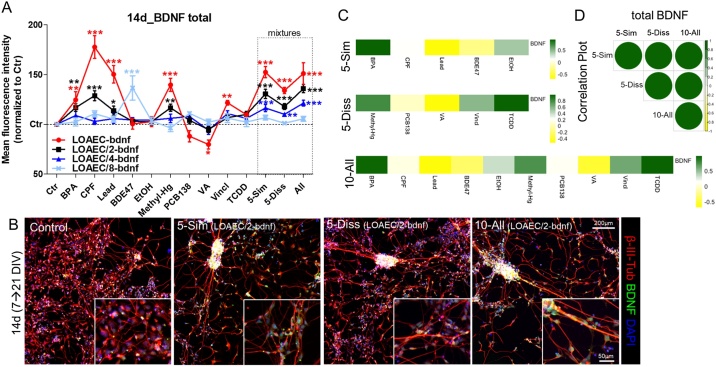
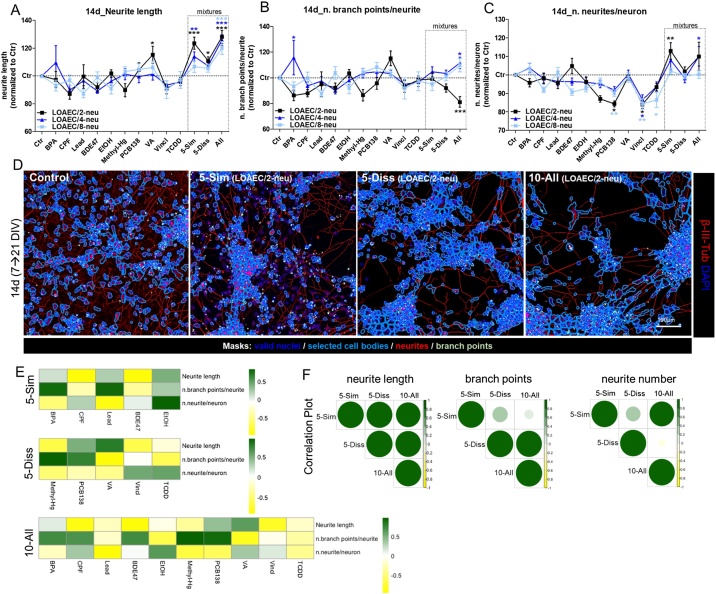
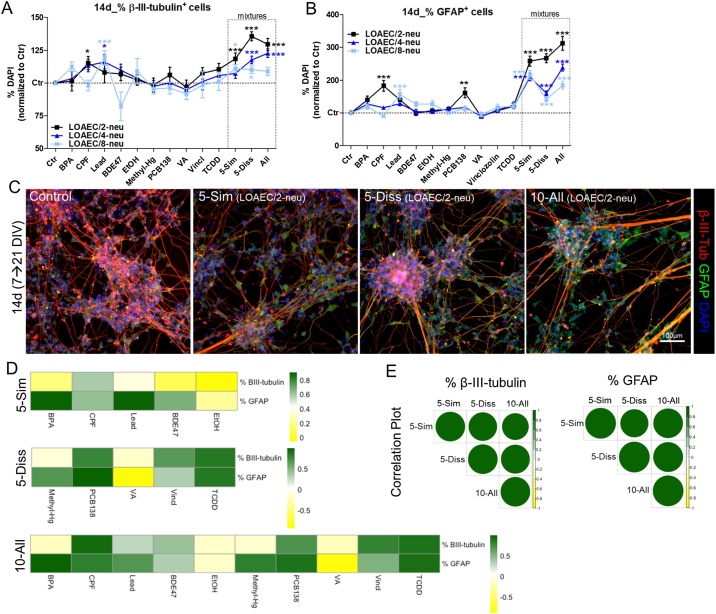
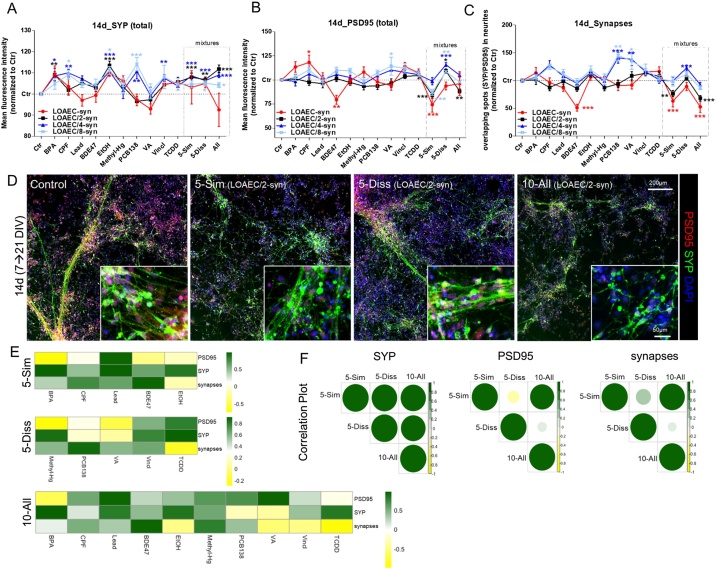
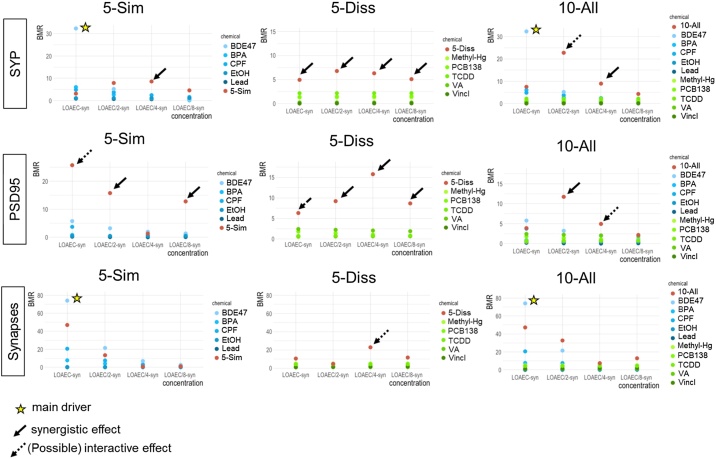
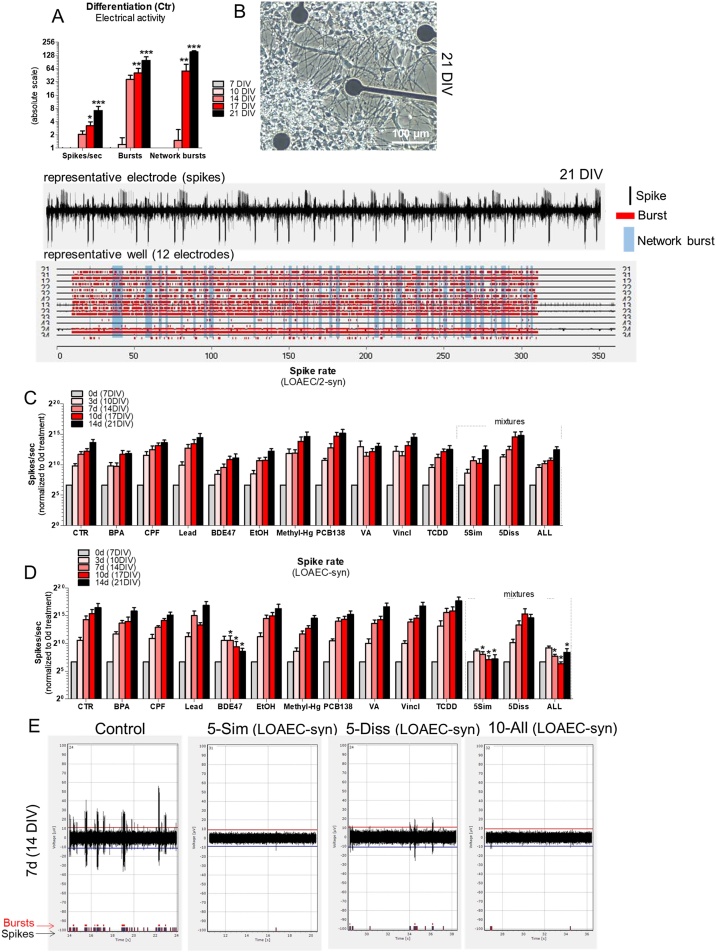
Prenatal and postnatal co-exposure to multiple chemicals at the same time may have deleterious effects on the developing nervous system. We previously showed that chemicals acting through similar mode of action (MoA) and grouped based on perturbation of brain derived neurotrophic factor (BDNF), induced greater neurotoxic effects on human induced pluripotent stem cell (hiPSC)-derived neurons and astrocytes compared to chemicals with dissimilar MoA. Here we assessed the effects of repeated dose (14 days) treatments with mixtures containing the six chemicals tested in our previous study (Bisphenol A, Chlorpyrifos, Lead(II) chloride, Methylmercury chloride, PCB138 and Valproic acid) along with 2,2'4,4'-tetrabromodiphenyl ether (BDE47), Ethanol, Vinclozolin and 2,3,7,8-tetrachlorodibenzo-p-dioxin (TCDD)), on hiPSC-derived neural stem cells undergoing differentiation toward mixed neurons/astrocytes up to 21 days. Similar MoA chemicals in mixtures caused an increase of BDNF levels and neurite outgrowth, and a decrease of synapse formation, which led to inhibition of electrical activity. Perturbations of these endpoints are described as common key events in adverse outcome pathways (AOPs) specific for DNT. When compared with mixtures tested in our previous study, adding similarly acting chemicals (BDE47 and EtOH) to the mixture resulted in a stronger downregulation of synapses. A synergistic effect on some synaptogenesis-related features (PSD95 in particular) was hypothesized upon treatment with tested mixtures, as indicated by mathematical modelling. Our findings confirm that the use of human iPSC-derived mixed neuronal/glial models applied to a battery of in vitro assays anchored to key events in DNT AOP networks, combined with mathematical modelling, is a suitable testing strategy to assess in vitro DNT induced by chemical mixtures.
产前和产后同时接触多种化学物质可能对发育中的神经系统产生有害影响。我们之前的研究表明,作用模式相似(MoA)的化学物质,并根据脑源性神经营养因子(BDNF)的干扰进行分组,与 MoA 不同的化学物质相比,对人诱导多能干细胞(hiPSC)衍生的神经元和星形胶质细胞的神经毒性作用更大。在这里,我们评估了重复剂量(14 天)处理含有我们之前研究中测试的六种化学物质(双酚 A、毒死蜱、氯化铅、甲基汞、多氯联苯 138 和丙戊酸)以及 2,2'4,4'-四溴二苯醚(BDE47)、乙醇、乙烯菌核利和 2,3,7,8-四氯二苯并对二恶英(TCDD))的混合物对 hiPSC 衍生的神经干细胞向混合神经元/星形胶质细胞分化的影响,直到 21 天。混合物中具有相似 MoA 的化学物质会导致 BDNF 水平升高和神经突生长,突触形成减少,从而抑制电活动。这些终点的干扰被描述为特定于 DNT 的不良结局途径(AOP)中的常见关键事件。与我们之前研究中测试的混合物相比,向混合物中添加具有相似作用的化学物质(BDE47 和 EtOH)会导致突触进一步下调。数学模型表明,在用测试混合物处理时,一些与突触发生相关的特征(特别是 PSD95)存在协同作用。我们的研究结果证实,使用人类 iPSC 衍生的混合神经元/神经胶质模型应用于一系列体外测定,这些测定基于 DNT AOP 网络中的关键事件,并结合数学建模,是评估化学混合物体外 DNT 的合适测试策略。